ArdorComm Media Group

Wednesday, February 25, 2026 1:32 PM

Author name: admin

Over 40 Lakh New Students Enroll in Government Schools: Yogi Adityanath

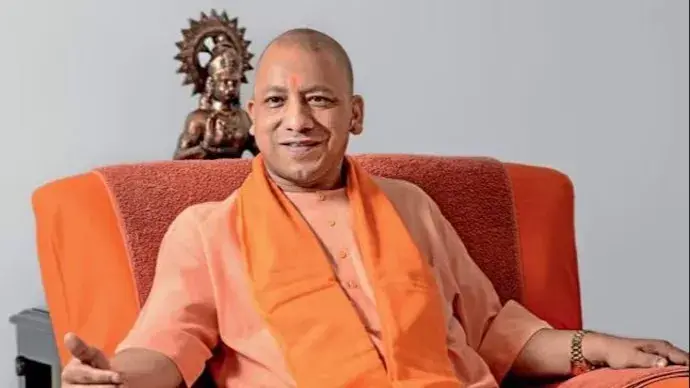
Uttar Pradesh Chief Minister Yogi Adityanath announced on Friday that more than 40 lakh new students have enrolled in government schools, signaling a significant milestone in the state’s education sector. Adityanath attributed this surge in enrollment to the concerted efforts of the government to enhance educational infrastructure and promote equality in education across Uttar Pradesh. During the Question Hour in the Uttar Pradesh Legislative Council, Chief Minister Adityanath emphasized the government’s commitment to bridging social inequality through improved access to quality education. He highlighted the substantial progress made in elevating the standard of education in the state over the past seven years. Under the Kayakalp Abhiyan, Adityanath noted that extensive efforts have been directed towards enhancing infrastructure in 1,32,000 schools under the Basic Education Council. This initiative has facilitated a conducive learning environment for students, contributing to the significant increase in enrollment. Furthermore, Adityanath underscored the government’s initiatives to support students, including the provision of essential items such as bags, books, shoes, socks, and sweaters. Additionally, efforts are underway to implement the NCERT syllabus in a phased manner across Uttar Pradesh Board schools, ensuring uniformity in educational standards. Adityanath highlighted the success of the ‘School Chalo’ campaign, which is conducted in April and July, in further encouraging enrollment. The surge of over 40 lakh new students in government schools reflects the tangible outcomes of the government’s initiatives and signifies progress towards fulfilling the objectives of the Right to Education (RTE) Act.  

Over 40 Lakh New Students Enroll in Government Schools: Yogi Adityanath Read More »

An International Conference hosted by JG : From Upanishads to Artificial Intelligence

blog image

As JG College of Commerce steps into 25 glorious years of its establishment, they hosted a one day international conference From Upanishads to Artificial Intelligence – Indian Knowledge System through ages on 10th February 2024 in their Campus of Excellence. The conference was presided Dr. M P Chandran, President, JG University, Dr. Neerja Gupta, Vice Chancellor, Gujarat University, Dr. Achyut Dani, Director General & Provost JG University, Shri P M Patel, Registrar, Gujarat University & Dr. Minnie Mattheew, Principal, JG College of Commerce. In a groundbreaking convergence of ancient wisdom and modern technology, scholars, researchers, and technologists from around the globe gathered at the International Conference which served as a platform to explore the profound connections between the timeless teachings of the Upanishads and the cutting-edge advancements in artificial intelligence. Dr. MP Chandran, President, JG University, shared about the relevance of Indian Knowledge System in the present education system according to the New Education Policy and also mentioned about how scriptures like the Upanishads are a source of constant enlightenment and inspiration, every time we read them. The Chief Guest Dr. Neerja Gupta, Vice Chancellor, Gujarat University highlighted the importance of Indian Knowledge System, with examples taken from various Indian epics and their stories, including the idea of Lakshman Rekha, the bifurcations of Before Christ(BC) and Common Era (CE). 110 scholars, faculty members and corporates presented research papers on topics of Management, Commerce, Literature, Religion, Ethics, Philosophy, Medicine, Physiotherapy, Nursing, and Art. With 160 registered participants, the conference catered to Indian Knowledge throughout the day. A highlight of the event was the unveiling of a hard copy and the e copy of the book on Indian Knowledge System with 40 selected research papers and an online edition of a journal that has more than 60 selected research papers published. The event also witnessed a valedictory function addressed by Chief Guest Dr Achyut Dani, Director General & Provost, JG University and Guest of honour Shri P M Patel Registrar, Gujarat University. This conference at JG marks a significant step towards realizing this vision, igniting a new chapter in the ongoing dialogue between ancient wisdom and modern innovation.

An International Conference hosted by JG : From Upanishads to Artificial Intelligence Read More »

Malaysia’s Lincoln University College Makes Historic Move to Establish Campus in India

Malaysia’s Lincoln University College has emerged as the trailblazer among foreign universities seeking to establish a presence in India, becoming the first institution to apply through the University Grants Commission’s (UGC) dedicated application portal. The move marks a significant milestone in the internationalization of Indian higher education. The UGC has formed a five-member standing committee tasked with evaluating Lincoln University College’s application, indicating that a decision is imminent. This development comes in the wake of the UGC’s recent notification of regulations governing the establishment and operation of campuses by Foreign Higher Education Institutions (FHEIs) in India. According to Union Education Minister of State Subhas Sarkar, Lincoln University College has expressed interest in establishing a campus in Telangana, showcasing the growing appeal of Indian academia on the global stage. Sarkar’s statement in the Lok Sabha underscores the proactive steps taken by the Indian government to attract foreign investment and expertise in the education sector. While other foreign universities have shown interest by accessing the UGC portal to explore application requirements, Lincoln University College stands as the sole applicant thus far. Renowned for its academic prowess, the university holds respectable positions in prestigious global rankings, reflecting its commitment to excellence. The UGC’s regulations aim to facilitate the seamless operation of FHEIs in India, granting them autonomy in degree-granting, admission processes, and fee structures. The move is poised to enhance educational opportunities for Indian students and foster collaboration between domestic and international institutions. Responding to queries regarding the affordability of FHEIs for Indian students, Sarkar emphasized the potential for scholarships and tuition fee concessions, ensuring accessibility and inclusivity. Additionally, stringent measures have been put in place to prevent misuse of philanthropic resources and ensure compliance with regulatory standards.

Malaysia’s Lincoln University College Makes Historic Move to Establish Campus in India Read More »

Snap Implements Workforce Reduction, Targeting DE&I and HR Analytics Teams

Snap Inc. has initiated a workforce reduction, impacting approximately 10% of its employees, with a focus on roles related to Diversity, Equity, and Inclusion (DE&I) and HR analytics. This move underscores the company’s broader push towards a Return-to-Office (RTO) model, aiming to foster in-person collaboration and flatten organizational hierarchies. Reports from Business Insider indicate that employees engaged in internal employee analytics, including surveys and diversity initiatives aimed at enhancing talent diversity, are among those affected by the layoffs. This decision mirrors recent trends in the tech industry, where HR-related roles have faced scrutiny, with instances of job cuts observed at major firms like Google and Meta in 2023. Despite the prevailing belief among industry leaders that the future of DE&I efforts should leverage HR analytics, Snap’s strategic realignment diverges from this perspective. The company, justifying the layoffs impacting around 500 employees, emphasizes the importance of eliminating hierarchy and fostering face-to-face interactions. Snap’s RTO mandate, requiring employees to spend 80% of their time in the office, has been met with resistance. Business Insider reports that managers informed employees in November about monitoring compliance through WiFi connections and badge tracking systems. Similar policies have been adopted by tech giants like Meta and Amazon, with non-compliance potentially leading to termination. In an SEC filing, Snap framed the restructuring as a strategic move to align resources with key priorities and support future growth initiatives. The company anticipates incurring costs ranging from $55 million to $75 million due to the layoffs. CEO Evan Spiegel addressed the workforce reduction, highlighting the company’s commitment to adaptability and long-term success. However, reports suggest that members of the tech team, including engineers and content moderation staff, were already let go preceding the official announcement. The decision reflects Snap’s evolving organizational strategy amidst changing workplace dynamics and underscores the challenges faced by companies navigating the transition to hybrid work models. As Snap repositions itself for the future, the implications of its workforce restructuring remain a focal point for industry observers.

Snap Implements Workforce Reduction, Targeting DE&I and HR Analytics Teams Read More »

Union Health Minister Mandaviya Unveils Advanced Facilities at AIIMS Bhubaneswar

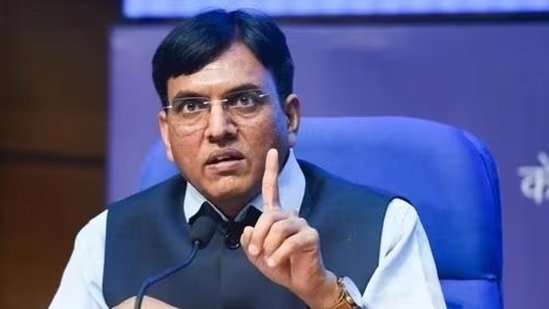
In a significant development for healthcare infrastructure, Union Health Minister Mansukh Mandaviya virtually inaugurated new facilities at AIIMS Bhubaneswar in Odisha. The additions include a Dharmasala, a Trauma Centre, and a High Energy Linear Accelerator (HELA) Machine, aimed at bolstering healthcare services and improving patient care standards. Expressing gratitude, AIIMS Bhubaneswar Executive Director Ashutosh Biswas thanked Minister Mandaviya for his dedication to advancing healthcare. He highlighted the transformative impact of these state-of-the-art facilities on patient care and emphasized their role in shaping a new era in healthcare delivery. The Dharmasala, constructed with CSR funding from NALCO, offers 492 beds across 159 rooms, providing affordable accommodation for patients and their attendants. The Trauma Centre, equipped with 86 beds and 19 intensive care units, serves as a comprehensive care hub, featuring advanced amenities like modular operating theatres and diagnostic services. It also serves as a training ground for medical students, ensuring top-quality education in trauma care. The introduction of the HELA Machine marks a significant milestone in cancer treatment at AIIMS Bhubaneswar. This cutting-edge device utilizes advanced technology to deliver precise radiation therapy, offering comprehensive cancer care with minimal impact on healthy tissues. The presence of key figures, including DEAN P R Mohapatra and Medical Superintendent Dillip Kumar Parida, along with faculties, officials, students, and guests, underscored the importance of the occasion.

Union Health Minister Mandaviya Unveils Advanced Facilities at AIIMS Bhubaneswar Read More »

Champai Soren-Led JMM-Congress Government Triumphs in Jharkhand Assembly Trust Vote

The Champai Soren-led Jharkhand Mukti Morcha (JMM)-Congress coalition government emerged victorious in the trust vote held in the Jharkhand assembly. The ruling alliance secured 47 votes, including that of a nominated member, out of the 81-member House, while the opposition NDA alliance received 29 votes. The floor test became necessary following the recent swearing-in of the new government under Champai Soren, succeeding Hemant Soren, who resigned after facing arrest by the Enforcement Directorate in a money laundering land scam case. Present in the House during the proceedings, Soren accused the Jharkhand governor CP Radhakrishnan of involvement in his arrest, highlighting the unprecedented nature of the incident in the country. Addressing the assembly, Soren emphasized the safety concerns of tribals and Dalits under the current regime, vowing to return stronger and thwart opposition conspiracies. Despite being in custody for a money laundering case, Soren asserted his determination to serve the people of Jharkhand. During the floor test debate, Soren accused the BJP of utilizing central agencies to target his predecessor, framing him in the case. He labeled the BJP’s actions as attempts to destabilize a democratically elected government. Reacting to the government’s triumph in the trust vote, Congress leader Jairam Ramesh expressed confidence in the coalition’s strength, citing the support of 47 MLAs and declaring the failure of any opposition tactics.

Champai Soren-Led JMM-Congress Government Triumphs in Jharkhand Assembly Trust Vote Read More »

Industry Leaders share their reaction to the Union Interim Budget 2024

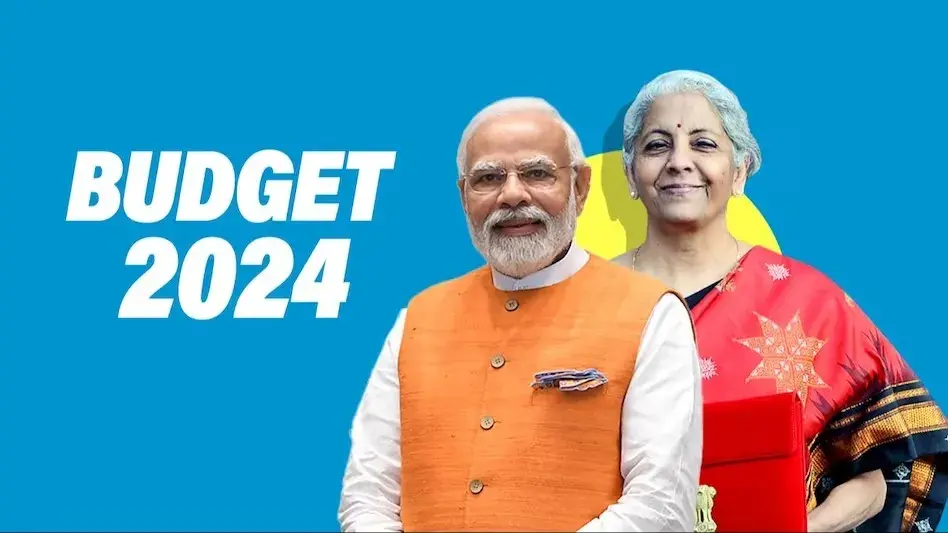
The Interim Budget for 2024, presented by the Hon’ble Finance Minister, reflects a dynamic blend of pragmatism and vision. The choice of a paperless presentation, echoing the hybrid education model adopted by schools during the pandemic, symbolizes the adaptability and resilience of the education sector. Moreover, The Union Budget 2024-25 reflects a visionary approach towards healthcare, recognizing its pivotal role in the nation’s well-being. Prominent figures in the healthcare industry share their insights on the budget’s strategic vision, applauding measures for universal health coverage, preventive healthcare, and technology integration Kanak Gupta, Group Director- Seth M.R. Jaipuria Schools, expresses excitement about the budget, particularly the focus on quantitatively strengthening schools and higher education. The commitment to upskilling, evident in the 1.8 Crore youth trained under the Skills Mission, aligns with the evolving demands of the job market. Suneel Galgotia, Chancellor of Galgotias University, praises the budget’s focus on education, recognizing its pivotal role in national development. He applauds allocations for infrastructure, digital learning, and skill-based programs, emphasizing the government’s dedication to upskilling youths. The budget outlines a visionary and comprehensive strategy for transforming and strengthening the education sector. Dr. Madhu Chitkara, Pro-Chancellor, Chitkara University, recognizes the transformative potential of the budget in empowering the younger generation. “The interim budget for 2024 has reflected the increased aspirations of the younger generation, the provision of opportunities for skill development, and the accessibility of funding for start-up ventures—factors that will fundamentally transform the growth journey to make India a Viksit Bharat by 2047.” Dr. Manjula Pooja Shroff – Founder & MD, Kalorex Group, commends the budget’s focus on empowering people, especially women and youth, through holistic welfare and growth opportunities. “The budget’s focus is on empowering people, especially women and youth, through holistic welfare and growth opportunities. It is heartening to note that girls constitute 43% of students enrolled in STEM courses, one of the highest in the world.” Vivek Kapasi, Managing Trustee of Shree Vidhyanagar School, describes the budget as a comprehensive roadmap, balancing diverse sectors. “The Indian budget, a financial blueprint, intricately balances diverse sectors. It allocates funds for education, healthcare, and infrastructure, fostering economic growth.” Cdr Dr. Bhushan Dewan, Advisor- University of Technology, Jaipur, appreciates its focus on long-term economic growth, reduced budget deficit targets, and incentives for technology innovation. “India’s Interim Budget announced by Finance Minister Nirmala Sitharaman in the Parliament on 01 Feb 2024 is mainly a Vote-on-account budget because the full budget for the year 2024-2025, normally due February every year would be delayed to July 2024 on account of Parliamentary Elections likely in April-May 2024.” Prof. Amit Jain, President / Vice-Chancellor, Amity University Rajasthan, Jaipur, appreciates the inclusive budget with a focus on sustainability, rural development, higher education, and defense. “An inclusive budget with a focus on sustainability and rural development. Special provisions for higher education will help improve the quality of education.” Prof. S N Gupta, Vice-Chancellor, Maganbhai Adenwala Mahagujarat University, Nadiad, views the budget as non-political, uninfluenced by upcoming elections. She said “In my opinion, this is a non-political budget uninfluenced by the upcoming election. Short term outcomes were not in focus but long term impacts were kept in view. It is a progressive and inclusive budget.” Prof.Dr.B.Sendilkumar, Dean-AHS, VMRF-DU, highlights the significant increase in the allocation of the budget to the education sector by saying “The Interim Budget 2024 was focused on youth and women empowerment, while maintaining fiscal consolidation and continuing capex. The whopping 6.8% increase in allocation of budget compared to the previous year to the education sector is a futuristic move.” Dr. Achyut Dani, Director General & Provost of JG University, underscores the budget’s role in capacity building through investments in physical and digital infrastructure. “Overall, being an interim budget, it can’t have much to offer due to election code, but it definitely reflects the success of policies due to which the fiscal deficit is low and it is expected to be so in the future also.” Dr. Vikas Singh, Vice Chancellor, Geeta University, praises the budget’s electoral confidence and fiscal prudence, focusing on the downward fiscal deficit path. Supporting startups and infrastructure spending align with the dream of Viksit Bharat, aiming for a deficit below 4.5% by 2026. Amol Arora, MD of Shemrock & Shemford Group of Schools, applauds the budget for optimistic educational growth. Increased investment and a focus on girls in higher education and STEM fields align with fostering quality education environments. The commitment to educational infrastructure strengthens their dedication to nurturing innovation and inspiration in Indian schools. Dr. Aloke Mullick, Group CEO of Omni Hospitals, sees the budget as an umbrella for the healthcare field. He applauds the focus on vaccination, healthcare worker skill upliftment, and infrastructure development. “In short, it’s aiming to serve all from pediatric to geriatric level with a focus on skill updation of healthcare workers.” Neha Lal, Adani Healthcare, highlights the commendable focus on healthcare infrastructure development, especially in increasing medical and nursing colleges. She emphasizes that research and innovation are key to developing the sector. “In India, cervical cancer contributes to approximately 6–29% of all cancers in women and hence vaccine for age 9-15 is a welcomed initiative.” Dr. Shuchin Bajaj, Founder Director of Ujala Cygnus Hospitals, commends the budget’s forward-thinking strategy, preventive healthcare measures, and comprehensive maternal-child health programs. He appreciates initiatives like U-WIN platform and Ayushman Bharat extension to health workers. However, concerns are raised by Niranjan Ramakrishnan, CEO of MyLabConnect, who hoped for a more proactive approach towards reducing duty or tax burdens on life-saving drugs and addressing regulatory challenges in the diagnostics industry. “It’s important to note that these are just potential impacts based on current information. The final budget and its specific provisions will determine the actual impact on the healthcare sector.” Mr. Joy Chakraborty, COO of P. D. Hinduja Hospital, commends the budget’s strategic vision for universal health coverage. He praises proactive measures, especially for women’s health, emphasizing Anganwadi center enhancement, nutrition, and cervical cancer prevention. The UWin platform and a new vaccination app promise a


Industry Leaders share their reaction to the Union Interim Budget 2024 Read More »

Bihar Education Department Implements Competency Exam Requirement for Contractual Teachers

The Bihar Education Department has introduced a new mandate, necessitating contractual teachers to pass a competency examination to ensure they meet specified standards. Contractual teachers must successfully complete the exam within three attempts, with failure leading to termination. The initiative aims to enhance the quality of education delivery in Bihar and emphasizes the importance of meeting competency standards for teacher retention. K.K. Pathak, the Additional Chief Secretary of the Education Department, announced the competency exam requirement in an official notice on Saturday. Pathak, also the Chairman of the competency examination committee, oversees the process, bringing comprehensive representation and expertise. In a significant decision on December 26, 2023, the cabinet conferred government employee status on around 3.5 lakh contractual teachers, formalizing their employment status. The cabinet emphasized the need for contractual teachers to pass the competency exam to attain state government employee status. Between February 1 and February 15, contractual teachers must complete the application process for the competency examination. Admit cards will be issued on February 16, facilitating their participation in the computer-based test with 150 multiple-choice questions, aligned with the Bihar Public Service Commission’s Teachers’ Recruitment Exam syllabus. Pass percentages for various categories are specified: 40% for general category, 36.5% for backward classes, 34% for backward classes (annexure 1), and 32% for scheduled castes, scheduled tribes, women, and candidates with disabilities. Contractual teachers have the opportunity to transition to state government employees by submitting examination forms between February 1 and February 15, 2024. The examination is scheduled from February 26 to March 13, 2024, allowing teachers to formalize their status and advance their careers within the state government.

Bihar Education Department Implements Competency Exam Requirement for Contractual Teachers Read More »

Air India Appoints Ravindra Kumar G P as Chief Human Resources Officer

Air India announced on Friday that Ravindra Kumar G P will assume the role of Chief Human Resources Officer (CHRO) starting April 1. Currently associated with Tata Motors, Kumar will succeed Suresh Dutt Tripathi, who is retiring from his position at the airline. With a distinguished career, including a significant tenure at General Electric Company, where he served as CHRO for South Asia in the last four years, Kumar brings a wealth of experience to his new role. His recent role as President & CHRO at Tata Motors since 2018 adds to his extensive background in human resources. Kumar will report directly to Air India’s CEO and Managing Director, Campbell Wilson. In a statement, Wilson expressed gratitude for the outstanding contribution of Suresh Dutt Tripathi, highlighting his vital role over the past two years, particularly during the transitional phase of Air India’s privatization. The appointment comes at a pivotal time for Air India, following the takeover by the Tata group in January 2022. The change in leadership reflects the ongoing efforts to strengthen and streamline the operations of the national carrier under the new ownership. As Air India undergoes significant transformations, the new CHRO, Ravindra Kumar G P, is expected to play a crucial role in shaping the airline’s human resources strategies and contributing to its overall success.

Air India Appoints Ravindra Kumar G P as Chief Human Resources Officer Read More »

Concerns Rise as Centre Slashes Education Budget in Interim Budget; UGC Funding Takes a Hit

The interim budget for education in India has sparked concerns as the government announced a 7% reduction in allocations, significantly impacting higher education funding. The University Grants Commission (UGC) faced the largest-ever cut of 61% in the last five years, raising apprehensions about the potential repercussions on universities and students. The budget for schools experienced a marginal dip, while central universities witnessed a 28% increase in grants. However, support for Indian Institutes of Management (IIMs) was trimmed for the second consecutive year. The interim budget, presented on Thursday, allocated ₹1.2 lakh crore for education, reflecting a 7% decrease compared to the revised estimate for 2023-24. The UGC, responsible for higher education, bore the brunt of funding cuts, with its allocation reduced from ₹6,409 crore in 2023-24 to ₹2,500 crore in 2024-25. Despite the challenges, Union Finance Minister Nirmala Sitharaman emphasized the government’s commitment to transforming education through the National Education Policy (NEP) 2020. The focus is on empowering the youth during the “Amrit Kaal,” the 25 years leading to 2047. Experts raised concerns over the impact of the drastic UGC budget cut, fearing it might encourage universities to rely on self-financing courses, burdening students and increasing dependence on loans. UGC Chairperson M Jagadesh Kumar reassured a commitment to quality higher education and efficient fund utilization. While the budget for central universities saw a notable increase of 28%, support for IIMs faced a reduction for the second consecutive year, dropping from ₹608.23 crore in 2022-23 to ₹212.21 crore in 2024-25. Union Education Minister Dharmendra Pradhan hailed the budget as a stepping stone towards a “Viksit Bharat” (developed India) and highlighted the “Jai Anusandhan” scheme with a ₹1 lakh crore corpus fund as a significant announcement.

Concerns Rise as Centre Slashes Education Budget in Interim Budget; UGC Funding Takes a Hit Read More »