ArdorComm Media Group

Thursday, February 26, 2026 9:48 PM

Author name: admin

Scientists Concerned About New COVID Variant ‘JN.1’ with Increased Infectiousness and Potential Vaccine Immunity Evasion

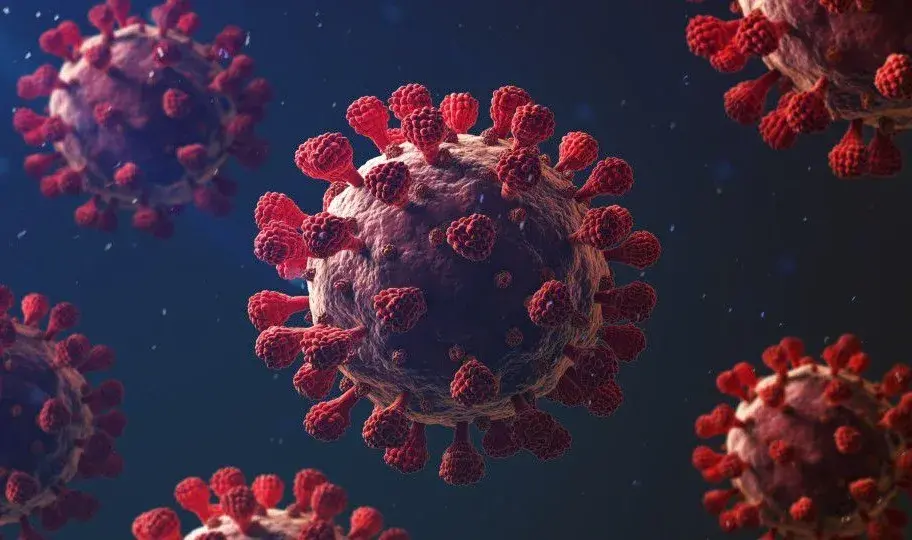
Scientists are expressing concern about the latest COVID-19 variant, named ‘JN.1’, as it appears to be more infectious and potentially capable of evading vaccine immunity. This variant was first identified in Luxembourg on August 25, 2023, and has since been detected in several countries, including England, Iceland, France, and the United States. What particularly worries scientists is the significant number of genetic differences in JN.1 compared to other prominent COVID strains like XBB.1.5 and HV.1. XBB.1.5 is the primary target of the latest vaccine boosters in the United States, and most new variants are descendants of this strain, indicating that existing vaccines are effective against them. HV.1, while somewhat different from XBB.1.5, shares similarities with its parent strain. However, JN.1 stands out due to its substantial divergence. In comparison to XBB.1.5, HV.1 has ten additional unique mutations, but JN.1 boasts a striking 41 additional unique mutations. A significant portion of these mutations is found in the spike protein of the virus, which is associated with increased infectivity and potential immune evasion. This raise concerns that current vaccines may not be as effective against this variant. Dr. Thomas Russo, the chief of infectious diseases at the University of Buffalo in New York, stated that JN.1’s spike protein mutation makes it particularly adept at evading the immune response, which could lead to a higher risk of infections. Moreover, there is some evidence suggesting that JN.1’s parent variant, BA.2.86, may be more transmissible than earlier versions of the virus. This high degree of variability in the spike protein, which was first observed in the alpha and beta versions of SARS-CoV-2 in 2021, is a noteworthy aspect of JN.1’s genetic makeup. While these developments raise concerns, the U.S. Centers for Disease Control and Prevention (CDC) have indicated that initial data suggests updated COVID vaccines should still provide protection against JN.1. They also stated that treatments and testing measures are expected to remain effective against this variant, based on an analysis from the federal government’s SARS-CoV-2 Interagency Group.

Scientists Concerned About New COVID Variant ‘JN.1’ with Increased Infectiousness and Potential Vaccine Immunity Evasion Read More »

Reliance Foundation Offers Postgraduate Scholarships for 2023-24: Apply by December 17, 2023

Reliance Foundation is currently accepting applications for postgraduate scholarships for the academic year 2023-24. These scholarships are available to first-year postgraduate students in nine specific fields of study, and the application deadline is set for December 17, 2023. You can find all the necessary information, including eligibility criteria and registration details, on the official website at scholarships.reliancefoundation.org. The Reliance Foundation scholarships are open to first-year postgraduate students pursuing full-time courses in India. The eligible fields of study include computer science, artificial intelligence, mathematics and computing, electrical or electronics engineering, chemical engineering, mechanical engineering, renewable and new energy, material science and engineering, and life sciences. If you’re selected for this scholarship, you can receive a grant of up to Rs 6 lakh for the entire duration of your postgraduate studies. Additionally, the scholarship program offers a holistic development initiative that involves interactions with experts, exposure to industry, and volunteering opportunities. The selection process for these scholarships is quite rigorous and involves evaluating applications, conducting aptitude tests, and holding interviews. The goal of the Reliance Foundation postgraduate scholarships is to identify students who exhibit qualities such as excellence, leadership potential, integrity, community commitment, a growth mindset, and courage.

Reliance Foundation Offers Postgraduate Scholarships for 2023-24: Apply by December 17, 2023 Read More »

EPFO Initiates Evaluation of Financial Implications for Higher Pensions Following Supreme Court Ruling

News on HR

The Employees’ Pension Fund Organisation (EPFO) has commenced the process of evaluating the financial implications of a Supreme Court ruling by issuing letters to individuals who have requested higher pension benefits. The EPFO is seeking a response of Rs 2,000 crore in this regard, marking the initial step in gauging the financial repercussions of the court’s decision. To assess the preliminary financial impact, the EPFO has employed an Actuary to make calculations based on specific assumptions. However, this actuarial assessment will be an ongoing process and will be conducted in batches of 50,000 demand letters sent out. A comprehensive evaluation will follow once all cases have been addressed. Additionally, the EPFO is in the process of establishing an actuarial department at its headquarters to ensure the use of realistic assumptions and to conduct thorough actuarial reviews of reports provided by the valuer or consulting actuary. In total, the EPFO has received 1.749 million applications for increased pension benefits, of which 629,000 have been reviewed. Among these, approximately 527,000 applications required the EPFO to contact employers for additional information or corrections, while around 3,618 forms were rejected. During a recent meeting of the EPFO’s Central Board of Trustees (CBT), it was noted that processing these applications is a time-consuming task, and the actuarial analysis can only be completed after addressing all applications, as per the CBT, which serves as the EPFO’s top decision-making body.

EPFO Initiates Evaluation of Financial Implications for Higher Pensions Following Supreme Court Ruling Read More »

Unmasking the Air Pollution Crisis in India: Health Implications and Urgent Solutions

Blog on Health

India is grappling with a multifaceted challenge that poses a severe threat to public health – air pollution. As the air quality crisis in the National Capital Region, Delhi, continues to worsen, it prompts a closer look at the health implications of this persistent issue. This blog provides a comprehensive analysis of the ongoing air pollution crisis in India and delves into the critical health implications of air pollution, shedding light on the gravity of the issue and the urgent need for action. The Silent Killer Air pollution is often referred to as a “silent killer” because its health effects are not immediately apparent but accumulate over time, leading to chronic illnesses and reduced life expectancy. This problem is particularly severe in India, where rapid industrialization and urbanization have resulted in soaring levels of air pollutants. Health Implications of Air Pollution Respiratory Ailments: High levels of fine particulate matter (PM2.5), nitrogen dioxide (NO2), sulfur dioxide (SO2), and ozone (O3) can lead to a surge in respiratory ailments such as asthma, bronchitis, and chronic obstructive pulmonary disease (COPD). Children and the elderly are especially vulnerable. Cardiovascular Diseases: Air pollution plays a significant role in the development of cardiovascular diseases, increasing the risk of heart attacks, strokes, and other circulatory issues. Cancer Risk: Long-term exposure to air pollution, particularly air containing carcinogens like benzene and formaldehyde, can increase the risk of lung cancer. Pregnancy Complications: Pregnant women exposed to high levels of air pollution are at a higher risk of complications such as preterm birth, low birth weight, and developmental issues in their offspring. Mental Health: Recent research has linked air pollution to mental health problems, including depression, anxiety, and cognitive decline. Also Read: Prioritizing Mental Health: The Cornerstone of Student Success in Education Delhi’s Air Quality Crisis Recent developments in Delhi highlight the severity of the air pollution crisis. Despite minor improvements, the overall air quality in Delhi remains ‘very poor.’ The Air Quality Index (AQI) recently shifted from ‘severe’ to ‘very poor,’ but this change does not indicate a significant improvement. The Supreme Court has criticized central and state governments for engaging in a blame game rather than implementing effective solutions. In response, authorities have taken measures, such as suspending physical classes (except for Classes 10 and 12) until November 10 and reintroducing the odd-even car rationing system from November 13 to 20. While there’s a marginal dip in pollution levels as reflected in the AQI, the concentration of PM2.5 particles continues to be a significant concern. Delhi’s PM2.5 levels consistently exceed the government-prescribed safe limit by a substantial margin, posing severe health risks to residents. Also Read: Top 12 Daily Habits for a Healthier Lifestyle What Can Be Done? Addressing India’s air pollution problem requires a multi-faceted approach. Some of the essential measures include: Strict Emission Standards: Enforcing and regularly updating emission standards for industries, vehicles, and power plants is crucial. Promoting Renewable Energy: Transitioning to cleaner energy sources like solar and wind power can reduce emissions. Improving Public Transportation: Expanding and improving public transportation systems can reduce the number of vehicles on the road and, consequently, pollution levels. Urban Planning: Better urban planning and reducing traffic congestion can help mitigate pollution in metropolitan areas. Public Awareness: Raising awareness about the health implications of air pollution can empower citizens to take steps to protect themselves and advocate for change. Also Read: Mobilizing Global Education and Cultural Exchange through Technology Conclusion The air pollution crisis in India, exemplified by Delhi’s ongoing struggle, is a pressing concern with far-reaching health implications. It’s essential to recognize that this is not just a seasonal issue; it’s a year-round problem that demands immediate and sustainable solutions. The blame game among political entities must give way to effective measures to curb air pollution and protect public health. As PM2.5 levels significantly surpass safe limits, there is an urgent need for comprehensive, long-term actions. The situation serves as a stark reminder of the grave consequences of air pollution and the urgency of taking decisive action. It is high time for all stakeholders, including the government, industries, and citizens, to unite in the fight against air pollution and prioritize the well-being of the nation. The battle against air pollution continues, and it’s a fight for the health and future of generations to come. The author, Pratik Ghosh is associated with ArdorComm Media


Unmasking the Air Pollution Crisis in India: Health Implications and Urgent Solutions Read More »

India’s First AI-Powered Agricultural News Monitoring and Analysis Solution ‘Krishi 24/7’ Launched by Government

News on Gov

The Department of Agriculture and Farmers Welfare (DA&FW), in partnership with the Wadhwani Institute for Artificial Intelligence (Wadhwani AI), has introduced ‘Krishi 24/7,’ India’s inaugural AI-driven solution for automated monitoring and analysis of agricultural news. Developed with support from Google.org, this innovation will enable the DA&FW to identify pertinent agricultural news, issue timely alerts, and take swift actions to safeguard farmers’ interests and encourage sustainable agricultural development by enhancing decision-making. The Ministry of Agriculture & Farmers Welfare underlines the necessity for an efficient mechanism to pinpoint and manage agricultural news articles that can facilitate prompt decision-making. Krishi 24/7 scans news articles in various languages, translates them into English, and extracts crucial information, including headlines, crop names, event details, dates, locations, severity, summaries, and source links, ensuring that the ministry receives timely updates on pertinent events found on the internet. During the launch of this initiative, Manoj Ahuja, Secretary (A&FW), emphasized that this news monitoring system not only keeps stakeholders informed but also empowers them to shape the narrative. He encouraged continuous improvement and adaptability to the evolving landscape of information. Samuel Praveen Kumar, Joint Secretary (Extension), explained the system’s functions, which aim to provide near real-time monitoring of online agricultural news articles, helping the DA&FW identify relevant news and establish a comprehensive mechanism for event selection, alert creation, and timely action. JP Tripathi, Associate Director (Ag) at Wadhwani AI, highlighted their commitment to developing AI solutions for addressing challenges where news monitoring and validation have been manual and time-consuming. He mentioned the successful deployment of a similar solution for tracking and analyzing disease outbreaks in collaboration with the National Centre for Disease Control (NCDC). By collaborating with the DA&FW and other central government bodies, their goal is to provide effective tools that enhance information flow through data-driven decision-making.

India’s First AI-Powered Agricultural News Monitoring and Analysis Solution ‘Krishi 24/7’ Launched by Government Read More »

IIM Lucknow and Emeritus Launch 10-Month CEO Development Program

News on Edu

IIM Lucknow, in partnership with Emeritus, has introduced a Chief Executive Officer program that spans ten months. This program aims to provide extensive leadership development and equip senior executives with the tools, strategies, and insights needed to excel in their roles and drive business growth. It is open to individuals with a minimum of ten years of work experience who aspire to become CEOs and want to further enhance their abilities. Upon successful completion of the Chief Executive Officer program, participants will be equipped to meet customer expectations, foster societal engagement, build brand trust, demonstrate purposeful leadership for effective change management, cultivate an innovation culture driving digital transformation, and revamp business models for strategic growth. This program is also tailored for leaders with at least a decade of work experience who are new to the CEO role or have recently founded a company. It emphasizes adaptability in the dynamic business environment, change management, strategic decision-making, organizational performance, functional expertise, and critical thinking. The program’s main objective is to prepare CEOs to lead by promoting innovation within their organizations. It offers a blend of immersive online learning led by IIM Lucknow faculty and industry experts, combined with an on-campus experience at the IIM Lucknow campus. Additionally, participants engage in a capstone project under the guidance of IIM Lucknow faculty, business simulations like Capstone simulation and Strategy Simulation on Balance Scorecard, and opportunities for peer-to-peer learning. The program is carefully designed to help leaders develop practical, industry-relevant skills that will inspire their teams towards innovation and sustainability. Eligibility for the program includes graduates (10+2+3), diploma holders (10+2+3), and postgraduates with a minimum of ten years of work experience. The classes for this program are scheduled to commence on December 30, 2023. The total fee for the ten-month course at IIM Lucknow is Rs 5,60,000, excluding GST. Participants who successfully complete the program will receive a certificate of completion and gain access to IIM Lucknow’s executive alumni network.

IIM Lucknow and Emeritus Launch 10-Month CEO Development Program Read More »

Disney+ Hotstar Sets New Peak Concurrent Viewership Record During India vs. South Africa Cricket Match

News on MEA

Digital concurrent viewership records were shattered during the India vs. South Africa cricket match when Virat Kohli achieved his 49th ODI century, tying with Sachin Tendulkar’s record. Disney+ Hotstar, the official streaming platform for the ongoing ICC Men’s Cricket World Cup, reached a peak of 44 million concurrent viewers during this game. The World Cup has consistently seen new peak concurrent viewership records, and Disney+ Hotstar is offering free mobile access to these matches, including the India vs. South Africa and India vs. New Zealand clashes, which drew 43 million and 44 million peak concurrent viewers, respectively. This is a significant shift, as Disney+ Hotstar had previously put cricket content behind a paywall for several years. The strategy to provide free access to cricket matches seems to be paying off for Disney+ Hotstar, as they continue to break their own records. Prior to the ICC Cricket World Cup, JioCinema set a record with 32 million viewers during the Indian Premier League final between the Chennai Super Kings and Gujarat Titans. Sajith Sivanandan, Head of Disney+ Hotstar India, expressed gratitude for the unwavering support of users and their passion for cricket streaming. The platform is excited to see where this support takes them as the tournament progresses. Media experts believe that the growing popularity of streaming for sports events is due to the convenience of watching matches on mobile devices. As smartphone usage increases, digital viewership for cricket is expected to rise further. Disney+ Hotstar is also encouraging viewers to purchase subscriptions to enjoy ad-free entertainment content, although even premium subscribers will see ads during live sports broadcasts. To enhance the viewing experience, Disney+ Hotstar has collaborated with the International Cricket Council (ICC) to introduce MaxView, allowing cricket enthusiasts to watch matches in a vertical mode (9×14 portrait view). According to BARC data for the All India 2+ audience, the India vs. New Zealand match had 80 million peak concurrent viewers on Disney Star channels and Doordarshan, surpassing the 75.5 million viewers for the India vs. Pakistan match. Disney Star claims that the total viewership for the live broadcast of the World Cup has exceeded 400 million viewers for the first 26 matches. The TV viewership specifically for Disney Star channels in the All India 2+ audience is reported at 310 million.

Disney+ Hotstar Sets New Peak Concurrent Viewership Record During India vs. South Africa Cricket Match Read More »

Study in India Reveals Link Between Air Pollution and Type 2 Diabetes Risk

News on Health

Air pollution in India has been linked to an increased risk of type 2 diabetes, as revealed in a groundbreaking study published in the BMJ Open Diabetes Research and Care journal. The study, the first of its kind in India, was conducted in Delhi and Chennai, and it found that exposure to elevated levels of fine pollution particles (PM2.5) in the air, which are 30 times thinner than a strand of hair, is associated with higher blood sugar levels and an elevated incidence of type 2 diabetes. While the health impacts of fine particulate matter are known for cardiovascular and cardiometabolic diseases, this study sought to provide evidence from regions with high air pollution levels like India, where noncommunicable diseases are a significant burden. The research team, which included scientists from the Centre for Chronic Disease Control in New Delhi, followed a group of over 12,000 men and women from 2010 to 2017, regularly measuring their blood sugar levels. They also utilized satellite data and air pollution exposure models to assess air quality in the participants’ localities during that period. The results demonstrated that exposure to PM2.5 for just one month led to increased blood sugar levels, and prolonged exposure for a year or more elevated the risk of diabetes. Additionally, for every 10 micrograms per cubic meter (μg/m3) increase in the annual average PM2.5 levels in Delhi and Chennai, the risk of diabetes rose by 22 percent. The study addressed a significant research gap in South Asia, where diabetes is a major health concern, by providing robust exposure assessment and longitudinal data in this population. It underscores the need for tailored, population-specific policies to combat the high diabetes prevalence by reducing ambient air pollution. The research team, which also included scientists from the Public Health Foundation of India, Harvard University, Emory University, the All India Institute of Medical Sciences, and the Madras Diabetes Research Foundation, emphasized the importance of region-specific measures to achieve meaningful public health improvements at the population level.

Study in India Reveals Link Between Air Pollution and Type 2 Diabetes Risk Read More »

CBSE to Establish Office in UAE, Strengthening Educational Ties

News on Edu

The Union Education Minister, Dharmendra Pradhan, has announced that the Central Board of Secondary Education (CBSE) will establish an office in the United Arab Emirates (UAE) in the near future. This declaration was made during Pradhan’s three-day visit to Abu Dhabi. He also met with HE Sara Musallam, the Minister of Secretary, and expressed his belief that the IIT Delhi-Abu Dhabi campus would serve as an exemplary symbol of friendship. During his visit, he toured the interim campus located at Zayed University. The IIT Delhi’s Abu Dhabi campus is scheduled to commence classes in January 2024. Pleased to meet HE Sara Musallam, MoS for Early Education and Chairperson, ADEK, in Abu Dhabi today. Productive conversations on further expanding our cooperation in education and establishing education as one of the strongest pillars of our bilateral ties. pic.twitter.com/ZaIlE3J8uM — Dharmendra Pradhan (@dpradhanbjp) November 1, 2023 Pradhan highlighted the presence of over 100 CBSE schools in the UAE and revealed plans to establish a CBSE office in the country soon. He also met with the Minister of Education, Ahmad Al Falasi, and signed a Memorandum of Understanding (MoU) aimed at enhancing cooperation between educational institutions in both nations. The MoU seeks to facilitate student and faculty exchange, collaborative research programs, course design, and other initiatives. The MoU is expected to streamline regulations, legal frameworks, and best practices in general and higher education, including national qualification frameworks, to enable the mutual recognition of qualifications between both countries. It also encourages academic collaboration between higher education institutions to offer twinning, joint degree, and dual degree programs, among other initiatives.

CBSE to Establish Office in UAE, Strengthening Educational Ties Read More »

Prioritizing Mental Health: The Cornerstone of Student Success in Education

Blog on Edu

In today’s fast-paced world, the pursuit of academic excellence often overshadows the importance of mental health and well-being in education. However, the two are inextricably linked, as a student’s mental health profoundly affects their ability to learn, grow, and thrive. This blog will delve into the vital connection between mental health and well-being in education, highlighting its significance, addressing challenges, and providing strategies to foster a healthier, more supportive educational environment. The Significance of Mental Health and Well-being in Education Academic Performance One of the most apparent ways mental health influences education is through its impact on academic performance. Students struggling with anxiety, depression, or other mental health issues often find it challenging to concentrate, complete assignments, and excel in exams. When educational institutions prioritize mental health, they create an environment that supports students in overcoming these barriers. Emotional and Social Development Education is not just about acquiring knowledge; it’s also a journey of emotional and social development. A positive and nurturing educational environment contributes to students’ emotional resilience, interpersonal skills, and self-confidence. Healthy mental well-being allows students to navigate social challenges, build relationships, and develop empathy and emotional intelligence. Motivation and Engagement When students feel mentally well, they are more likely to be motivated and engaged in their learning. A positive mindset encourages curiosity, creativity, and a thirst for knowledge. Students who feel supported and valued are more likely to take ownership of their education and explore their potential to the fullest. Also Read: Mobilizing Global Education and Cultural Exchange through Technology Challenges in Promoting Mental Health and Well-being in Education Stigma Stigma surrounding mental health remains a significant barrier in education. Students often fear judgment or discrimination if they disclose their mental health issues. Schools and colleges must actively work to eliminate this stigma by creating an open, non-judgmental environment. Lack of Resources Insufficient resources for mental health support within educational institutions pose a challenge. Overburdened counselors and a lack of access to mental health professionals can impede students’ access to help when needed. Investing in more resources for mental health services is essential. High Academic Expectations The pressure to meet high academic expectations can exacerbate stress and anxiety among students. Education systems need to strike a balance between rigorous academic standards and students’ mental well-being. Also Read: Nurturing 21st Century Skills in Education: Fostering Critical Thinking and Digital Literacy Strategies for Fostering Mental Health and Well-being in Education Education and Awareness Educational institutions can promote mental health awareness through workshops, seminars, and campaigns. By fostering an understanding of mental health issues, schools can reduce stigma and encourage open conversations. Accessible Support Services Schools and colleges should provide accessible support services, including counseling and mental health professionals. Creating a safe space where students can seek help without judgment is crucial. Encouraging a Balanced Lifestyle Promoting a balanced lifestyle that includes physical activity, healthy eating, and relaxation techniques is vital for mental health. Encouraging students to take breaks, exercise, and practice mindfulness can significantly reduce stress levels. Peer Support Programs Peer support programs, such as mentorship and support groups, can be highly effective. They enable students to connect with peers who have similar experiences and create a network of emotional support. Flexible Education Models Educational institutions can explore flexible education models that allow students to learn at their own pace and in a way that suits their individual needs. This reduces the pressure and stress associated with traditional learning methods. Also Read: ArdorComm ‘New Normal – Education Leadership Summit & Awards 2023’ to be held at Pune, Maharashtra on 24th November 2023 #ELSAPune #ELSAMaharashtra Conclusion Mental health and well-being are not optional add-ons in the educational system but are fundamental to the success and happiness of students. By recognizing the profound connection between mental health and education, and by taking steps to address challenges and implement supportive strategies, we can create a nurturing environment that allows students to thrive academically, emotionally, and socially. It is the responsibility of educational institutions, parents, and society as a whole to prioritize mental health in education, ensuring that our students can reach their full potential and lead fulfilling lives. The author, Pratik Ghosh is associated with ArdorComm Media

Prioritizing Mental Health: The Cornerstone of Student Success in Education Read More »