ArdorComm Media Group

Thursday, February 26, 2026 12:38 AM

Author name: admin

Microsoft Introduces Confidential ‘Impact Descriptors’ for Managerial Performance Assessments

Microsoft has introduced a confidential performance-rating system called ‘impact descriptors,’ specifically designed for use by managers and not disclosed to employees. These ratings play a crucial role in determining employee compensation and bonuses, which Microsoft refers to as ‘rewards.’ The company emphasizes that these descriptors are distinct from traditional performance ratings or labels associated with individual employees. These undisclosed ratings are intended to encourage a growth-oriented mindset. The impact descriptors consist of four categories: ‘Lower than Expected Impact (LITE),’ ‘Slightly Lower Impact than Expected (SLITE),’ ‘Successful Impact,’ and ‘Exceptional Impact.’ Each category is clearly defined in a guideline document to assist managers in their assessments. Employees in the ‘Lower than Expected Impact (LITE)’ category are those who consistently fall short of meeting expectations, lack a growth mindset, or do not align with Microsoft’s cultural values. In the ‘Slightly Lower Impact than Expected (SLITE)’ category are employees who occasionally miss expectations or display inconsistency in meeting cultural expectations but show a willingness to learn and improve. The ‘successful impact’ category includes employees who consistently meet or exceed expectations, embrace a growth mindset, and align with Microsoft’s cultural values. The ‘exceptional impact’ category is reserved for employees who consistently deliver exceptional results, surpass all expectations, demonstrate an outstanding growth mindset, and adhere to Microsoft’s cultural values. Managers are encouraged to evaluate and assess employee performance or ‘impact’ based on these impact descriptors, explaining how an employee has demonstrated a particular level of impact during the fiscal year. However, they are explicitly discouraged from using the acronyms LITE, SLITE, and so on, or converting the descriptors into ratings or labels. Microsoft’s managers are expected to utilize these descriptors solely as a guidance tool for assessing employee impact, facilitating reward decisions, and providing constructive feedback.
Microsoft Introduces Confidential ‘Impact Descriptors’ for Managerial Performance Assessments Read More »

G20 Declaration: Commitment to Inclusive, Quality Education with Emphasis on Technology and Lifelong Learning

In the latest G20 Declaration released on Saturday, member nations reiterated their unwavering commitment to providing “inclusive, equitable, and high-quality” education. Notably, the declaration takes a significant step forward by advocating the use of technology and artificial intelligence (AI) to enhance and ensure the widespread accessibility of education. The declaration strongly emphasized the use of digital technologies to bridge existing digital divides for all learners. It pledged support for educational institutions and teachers to help them stay updated with emerging trends and technological advancements, including AI. Additionally, the declaration highlighted the critical need for lifelong learning, with a particular focus on upskilling, reskilling, and skilling for vulnerable groups in society. This commitment to education is not new for the G20, as previous declarations have consistently stressed the importance of inclusive, equitable education and lifelong learning, with particular attention to marginalized communities. These declarations have also acknowledged the pivotal role that blended learning approaches played during the pandemic. Furthermore, the declaration underscored the significance of foundational learning, including literacy, numeracy, and socio-emotional skills, as the fundamental building blocks of education and employment. It reaffirmed member nations’ dedication to fostering increased collaboration among their educational institutions. The G20 Declaration also reaffirmed the commitment to promoting open, equitable, and secure scientific collaboration and encouraged the mobility of students, scholars, researchers, and scientists across research and higher education institutions. Moreover, member nations expressed their dedication to expanding access to high-quality technical and vocational education and training, recognizing its importance. Building on the previous declaration in Bali, the New Delhi declaration also addressed gender disparities in education, emphasizing the commitment to bridging this gap. It ensured equal access to affordable, inclusive, safe, and quality education at all levels, with a focus on women and girls, including those with disabilities, in STEM fields and emerging digital technologies.

G20 Declaration: Commitment to Inclusive, Quality Education with Emphasis on Technology and Lifelong Learning Read More »

Global Leaders Convene in New Delhi for 18th G20 Summit

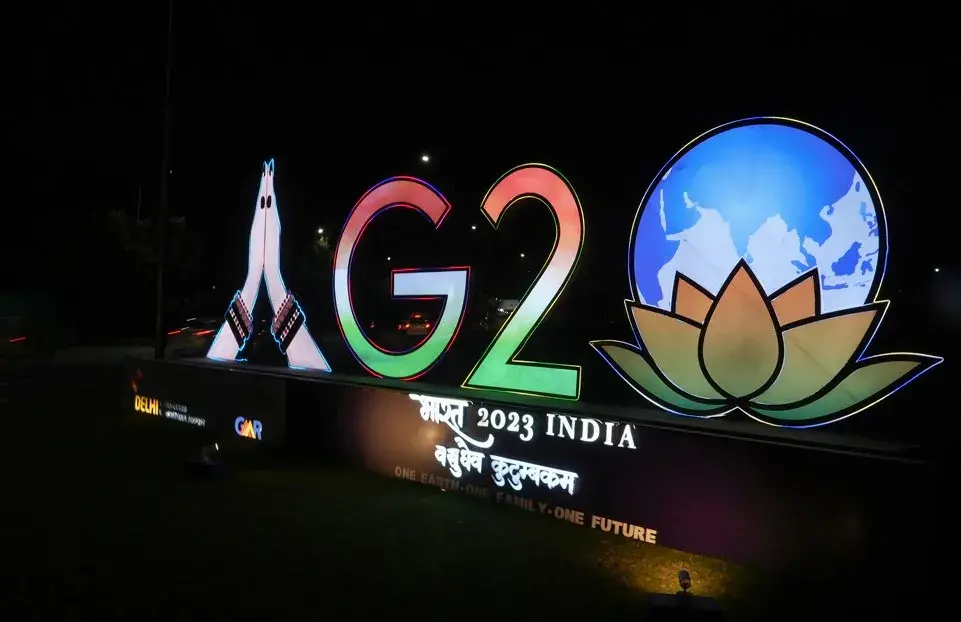
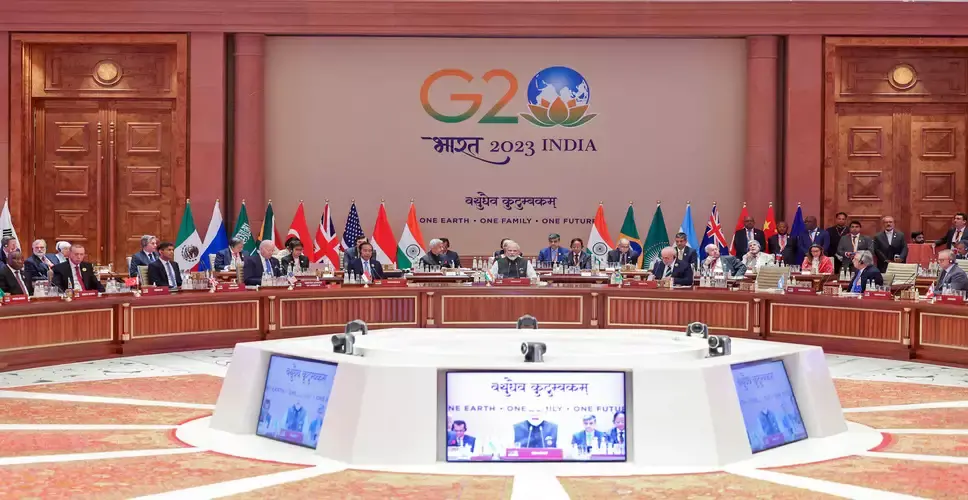
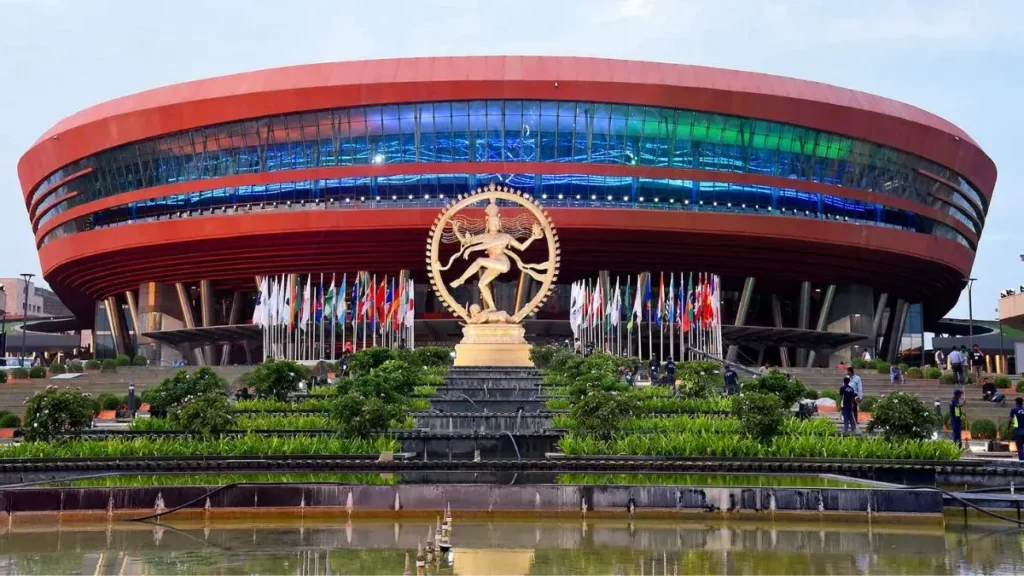
The 18th G20 Summit, hosted by India, kicked off today in the national capital, New Delhi, with more than 30 heads of state, top officials from the European Union, and invited guest countries in attendance. The two-day summit is being held at the newly inaugurated Bharat Mandapam, and it promises to address critical global challenges under the theme “Vasudhaiva Kutumbakam” or “One Earth · One Family · One Future.” The summit commenced with world leaders arriving at the venue, Bharat Mandapam, from 9.30 am onwards. The first session of the G20 Summit, titled ‘One Earth,’ took place at around 10.30 am. This session is dedicated to accelerating climate action, focusing on increased mitigation efforts and strengthening the global net zero emission agenda as soon as possible. The theme underscores the interconnectedness of all life forms on Earth, emphasizing the value of human, animal, plant, and microorganism life. In the evening, a dinner hosted by the President of India, Droupadi Murmu, was scheduled to bring together foreign delegates, parliamentarians, and ministers, along with former senior leaders of the nation. Key leaders attending the event include US President Joe Biden, British Prime Minister Rishi Sunak, Saudi Crown Prince Mohammed Bin Salman, Canadian Prime Minister Justin Trudeau, and Japanese Prime Minister Fumio Kishida. However, notably absent from the summit are Chinese President Xi Jinping and Russian President Vladimir Putin. China will be represented by Chinese Premier Li Qiang, while Russian Foreign Minister Sergey Lavrov will represent Russia. This marks India’s first time hosting the G20 Summit, with extensive preparations showcasing India’s tradition and strength. During its presidency, India has focused on various critical issues, including inclusive growth, digital innovation, climate resilience, and equitable global health access. India seeks to achieve the dual objectives of adding the African Union as a member of the G20 and resolving disagreements related to a joint statement concerning the conflict in Ukraine. The participating countries in the G20 Summit include Nigeria, Argentina, Italy, the African Union (represented by Comros), South Africa, Bangladesh, the United Kingdom, Japan, Saudi Arabia, the Republic of Korea, Egypt, Australia, the United States, Canada, China, the United Arab Emirates, Brazil, Indonesia, Turkey, Spain, Germany, France, Mauritius, the European Union, and Singapore. A warm welcome was extended to world leaders upon their arrival in Delhi, with Prime Minister Narendra Modi expressing confidence that the summit would chart a new path toward human-centric and inclusive development. Leaders who have arrived in the national capital for the G20 Summit include US President Joe Biden, UK Prime Minister Rishi Sunak, Bangladesh Prime Minister Sheikh Hasina, Italian Prime Minister Giorgia Meloni, Argentina President Alberto Fernandez, and Japan Prime Minister Fumio Kishida. The leaders were welcomed with traditional dance performances. Other distinguished attendees include Chinese Premier Li Qiang, UN Secretary-General Antonio Guterres, Oman Deputy Prime Minister Asaad bin Tariq bin Taimur, Russian Foreign Minister Sergey Lavrov, South Korean President Yoon Suk Yeol, Egypt President El-Sisi, UAE President Mohammed bin Zayed Al Nahyan, Australian Prime Minister Anthony Albanese, Canadian Prime Minister Justin Trudeau, Turkish President Recep Tayyip Erdogan, Indonesian President Joko Widodo, Singapore Prime Minister Lee Hsien Loong, and Brazilian President Luiz Inacio Lula da Silva. Additionally, African Union Chairperson Azali Assoumani, United Nations Secretary-General Antonio Guterres, International Monetary Fund (IMF) Managing Director Kristalina Georgieva, Mauritius Prime Minister Pravind Kumar Jugnauth, Organisation for Economic Cooperation and Development (OECD) Secretary-General Mathias Cormann, World Trade Organization (WTO) Director-General Ngozi Okonjo-Iweala, and European Commission President Ursula von der Leyen have also arrived in Delhi to participate in the summit. The 18th G20 Summit holds the promise of fostering collaborative solutions for the benefit of the global population and contributing to overall global well-being in a rapidly changing world.

Global Leaders Convene in New Delhi for 18th G20 Summit Read More »

Airbus to Ramp Up Workforce in India with 5,000 New Employees

Airbus, the renowned international aerospace firm, has unveiled plans to bolster its workforce in India, with a target of hiring an additional 2,000 engineers in the coming years. This strategic move aims to increase the company’s total headcount in India to an impressive 5,000 employees. Airbus has solidified this commitment through the signing of a Memorandum of Understanding (MoU) with Gati Shakti Vishwavidyalaya (GSV) in Vadodara, wherein a specialized engineering program tailored for the aerospace sector will be established. The partnership with Gati Shakti Vishwavidyalaya is poised to cultivate a robust pool of highly trained professionals, primed to meet the burgeoning demands within the thriving aerospace industry. Airbus views India not only as a significant market but also as a crucial hub for talent. The company places paramount importance on nurturing the aerospace ecosystem in India and recognizes the pivotal role of investing in human capital development. Currently, Airbus boasts over 3,000 engineers within its design and digital centres, and by the year 2025, this number is anticipated to surge past the 5,000 mark. The MoU was formalized in the presence of Railway Minister Ashwini Vaishnaw. Airbus, a globally renowned aerospace giant, is renowned for its design, manufacturing, and marketing of commercial and military aircraft, including the iconic A320, A330, and A380 series. The company’s scope extends to the production of space-related equipment and boasts a global presence with subsidiaries and manufacturing facilities spread across various nations.

Airbus to Ramp Up Workforce in India with 5,000 New Employees Read More »

Novel HPV Methylation Test Boosts Cervical Cancer Detection

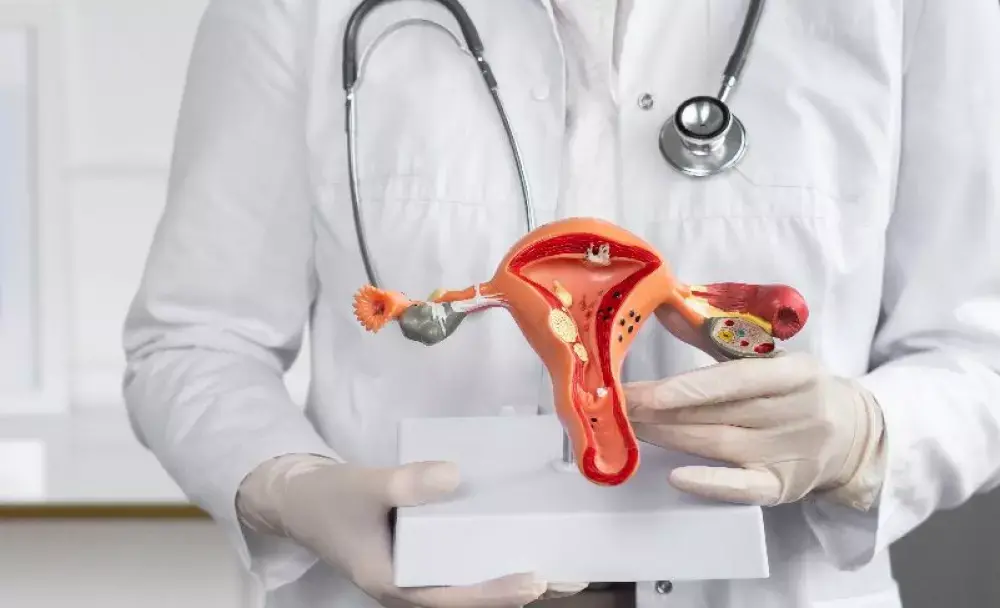
Researchers at the Montefiore Einstein Cancer Centre (MECC), designated by the National Cancer Institute (NCI), have developed a groundbreaking test to detect a type of cervical cancer that often goes unnoticed by traditional Pap tests. This discovery has significant implications for cervical cancer screening. The study’s findings were recently published in the Journal of the National Cancer Institute (JNCI). Dr. Howard Strickler, the co-senior and corresponding author of the JNCI paper and a member of MECC, explained, “Our innovative test demonstrates a high sensitivity for detecting cervical adenocarcinoma (ADC), which now accounts for up to 25 percent of cervical cancer cases, along with its precursor lesions, adenocarcinoma in situ (AIS), which often progress into ADCs.” Cervical adenocarcinomas have higher mortality rates compared to the more common cervical squamous cell cancers since they are frequently missed by current screening methods. Dr. Strickler’s goal is to identify the disease at an early stage, before it evolves into cancer. Dr. Strickler also serves as a professor and heads the division of epidemiology at the Albert Einstein College of Medicine. The Pap test, a method in which a pathologist examines tissue samples for abnormal cells, has significantly reduced the incidence of cervical squamous cell cancer over the past six decades. However, the prevalence of ADC has not decreased due to the Pap test’s limited effectiveness in detecting it. In recent years, HPV testing, which identifies the human papillomaviruses (HPVs) responsible for nearly all cervical cancer cases, has become a standard screening tool alongside the Pap test. Although there are over 100 HPV types, three specific types (HPV 16, 18, and 45) account for more than 70 percent of all cervical cancer cases and over 90 percent of ADC cases. Current HPV tests cover these three types and can alert infected women to a high risk of developing cervical cancer. While vaccines like Gardasil-9 offer protection against nine HPV types, several generations of women are now beyond the eligible age for vaccination. Therefore, screening and preventive treatment for cervical cancer will remain crucial for decades. The MECC-developed HPV test takes a novel approach by examining methylation levels in HPV 16, 18, and 45. Dr. Robert D. Burk, a co-leader of the study and a member of Einstein and MECC, explained, “Next-generation genetic testing has provided us with opportunities to more accurately detect oncogenic HPV strains and identify genomic patterns associated with the development of AIS and ADC.” Methylation, the process of adding methyl groups (CH3) to DNA, is a common occurrence in both viral and human DNA, playing a crucial role in altering gene expression. The study, conducted in collaboration with the NCI, analyzed methylation levels in cervical tissue samples from 1,400 women who underwent cervical cancer screening at Kaiser Permanente Northern California before 2014, with known cervical cancer statuses. By assessing HPV in these samples, researchers calculated methylation percentages at 35 different viral-genome sites, providing each sample with a “methylation score” based on the average methylation percentage across these sites. Women with methylation scores in the top 25 percent had significantly increased odds of developing ADC or AIS. Dr. Burk emphasized, “If our findings are confirmed in clinical trials, women with a high methylation score may benefit from more extensive evaluation, such as colposcopy and specialized tissue examination, in addition to Pap tests. This could lead to early diagnosis and treatment for ADC or the removal of AIS lesions before they progress to ADC.” Dr. Strickler noted that the test’s equipment could potentially be simplified, making it suitable for broader use in resource-limited countries. Cervical cancer remains the fourth most common cancer among women, with a disproportionately higher burden in lower- and middle-income countries, especially those in Sub-Saharan Africa where HIV-HPV co-infections are prevalent. Significant disparities also exist within the United States, with the Bronx, one of the nation’s poorest urban congressional districts, experiencing cervical cancer rates 50 percent higher than Manhattan. More frequent and effective screening could help bridge this healthcare disparity. “Ideally, the new HPV methylation test would only need to be done once every three to five years,” added Dr. Strickler, expressing hope that the test could enhance cervical cancer screening equity in the U.S. and beyond.

Novel HPV Methylation Test Boosts Cervical Cancer Detection Read More »

IIT Bombay and Google Cloud India Collaborate to Create ‘Google Cloud Chair’ to Elevate Generative AI Research and Development

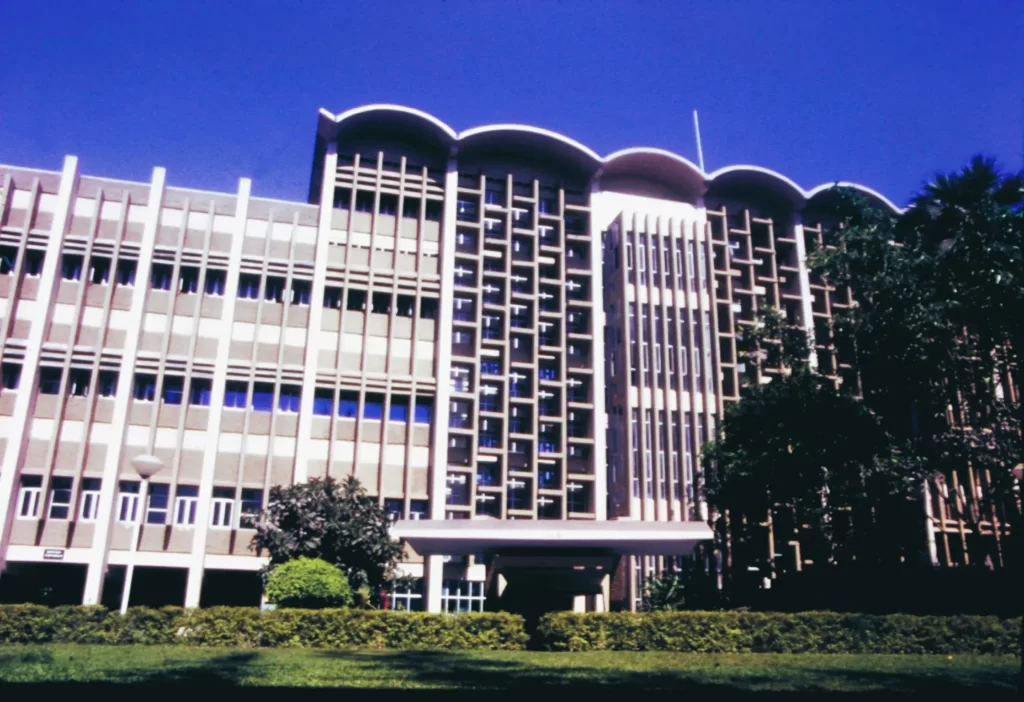
IIT Bombay and Google Cloud India have come together to establish a prestigious Chair Professorship dedicated to advancing research in the field of generative Artificial Intelligence (AI). This esteemed position will be known as the ‘Google Cloud Chair.’ Endowed professorships, like this Chair, hold a significant place in the academic world, signifying a high honour. The establishment of this endowed Chair Professorship will provide substantial support for academic research and foster stronger collaborations between academia and industry, as stated by IIT-Bombay. On Sep 6, 2023, IIT Bombay signed an MoU with #GoogleCloudIndia to establish a Chair Professorship in Generative AI! This endowed Chair will drive cutting-edge research, nurture academic excellence, and foster collaborations. pic.twitter.com/Aeg8Z1HebY — IIT Bombay (@iitbombay) September 6, 2023 The appointed Chair Professor is expected to play a pivotal role by introducing new academic courses, strengthening existing ones, engaging in collaborative initiatives with Google Cloud, and offering academic and technical leadership within their respective field. The impact of the Chair Professorship will be measured jointly by IIT Bombay and Google Cloud, with agreed-upon indicators. Professor Subhasis Chaudhuri, the Director of IIT Bombay, expressed the importance of such Chairs in attracting top-tier students, researchers, and educators, ultimately nurturing future leaders and innovators. Anil Bhansali, VP Engineering and Head of India Development Centre at Google Cloud, emphasized their objective of providing leadership in the realm of Generative AI, guiding Research and Development programs supported by government entities and industry stakeholders.

IIT Bombay and Google Cloud India Collaborate to Create ‘Google Cloud Chair’ to Elevate Generative AI Research and Development Read More »

RBI to Showcase Digital Payments and CBDC Focus at G20 Summit

The Reserve Bank of India (RBI) is set to showcase its digital payment infrastructure during the upcoming G20 summit, with a particular focus on central bank digital currency (CBDC) and public technology platforms. RBI insiders have revealed that the RBI’s exhibition pavilion at the G20 summit will feature five main exhibits, including the Public Tech Platform (PTP) designed to streamline credit processes. Delegates will have access to an interactive experience centre where they can observe the entire digital process, from customer onboarding to the approval and disbursement of Kisan Credit Cards (KCCs) and dairy loans in just minutes, transforming rural credit practices. Furthermore, the pavilion will present an informative video detailing the RBI’s digital rupee and its developmental journey. Select banks involved in the pilot program will demonstrate live digital rupee transactions. In addition, the exhibition will spotlight various digital payment initiatives, such as UPI One World, which allows visitors to use UPI for payments even without an Indian bank account, providing them with a firsthand experience of seamless UPI transactions. Another segment, RuPay On-The-Go, will demonstrate how customers can make contactless payments using everyday accessories like watches, rings, or keychains, showcasing the adaptability of domestic card schemes to global standards. Lastly, the RBI will emphasize the versatility of the Bharat Bill Payment System (BBPS) platform, which can integrate with both FinTech firms and traditional financial institutions to facilitate domestic and cross-border payment transactions, according to sources within the RBI.

RBI to Showcase Digital Payments and CBDC Focus at G20 Summit Read More »

Wipro Grants 41,667 RSUs to Employees via ESOP, Empowering Workforce Ownership

Wipro, in a recent official exchange filing, disclosed its issuance of 41,667 restricted stock units (RSUs) to its employees as part of its Employee Stock Ownership Plan (ESOP). These RSUs will be distributed to eligible employees according to a predetermined vesting schedule approved by the Nomination and Remuneration Committee of the Board. Over a specified period outlined in the schedule, employees will gradually gain ownership rights to these RSUs. This move not only serves as an incentive for employees but also aligns their interests with the company’s growth and success. The allocation of these RSUs became effective on September 5, 2023. An important feature of this ESOP is that employees have the flexibility to exercise these RSUs during a predefined exercise period. The committee has also given its approval for this exercise period, as mentioned in the official company filing. This allows employees to convert their RSUs into company shares at their discretion, taking advantage of favourable market conditions. On September 6, 2023, Wipro’s stock was trading at Rs 429 per share, reflecting a slight decrease of 0.66 percent. While the company has assured its employees of an impending pay raise, the official announcement of the same has been postponed until the third quarter, which spans from October to December, as opposed to the previous financial year’s announcement in September. Despite an 11.9 percent increase in profits reported in the first quarter, the company plans to continue hiring in specific areas, despite an 8,812 decrease in its overall headcount.

Wipro Grants 41,667 RSUs to Employees via ESOP, Empowering Workforce Ownership Read More »

Telangana Govt. Schools Add French Language for Global Learning

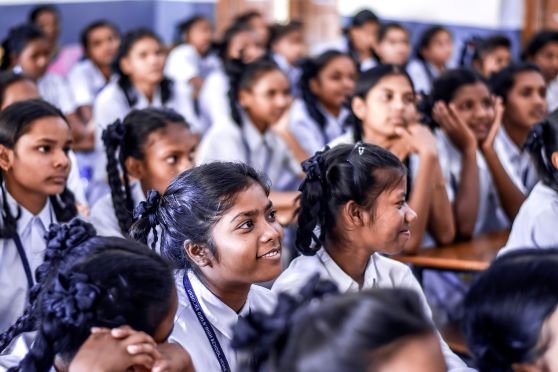
Telangana government schools, managed by the Telangana Social Welfare Residential Educational Institutions Society (TSWREIS) and Telangana Tribal Welfare Residential Educational Institutions Society (TTWREIS), have introduced the French language as part of their curriculum. This initiative has been made possible through collaboration with the French Institute in India. Initially, French language instruction will be piloted in approximately 20 TSWREIS and TTWREIS-affiliated schools, and its expansion to other schools will depend on student interest. The curriculum will encompass students from Class 5 to Class 12. Under this partnership, the French Institute (IFI) will provide training to TSWREIS and TTWREIS teachers in communicative French. Additionally, students will gain access to IFI’s cultural and academic resources, including workshops and seminars that will inform them about opportunities for university studies in France and scholarships. In an official statement, the Telangana government expressed its commitment to providing diverse global learning opportunities. Dr. E Naveen Nicolas, Secretary of TSWREIS and TTWREIS, emphasized that learning French is a significant milestone for students in these institutions, fostering cultural and language exchanges while opening new avenues for them. The government statement highlighted the value of global language proficiency in enhancing career prospects, education, travel opportunities, and exposure to various cultures worldwide. Offering this knowledge at the secondary education level has the potential to transform how students shape their futures.

Telangana Govt. Schools Add French Language for Global Learning Read More »

TRAI Recommends Allowing Private FM Radio to Broadcast News and Current Affairs

The Telecom Regulatory Authority of India (TRAI) has recommended that private FM radio operators should be permitted to broadcast news and current affairs programs for a duration of 10 minutes every hour. In its suggestions regarding ‘FM Radio Broadcasting Issues,’ TRAI also proposed applying the program code of conduct, which currently applies to All India Radio, to private FM radio channels. TRAI stated, “Private FM Radio Operators should have the opportunity to air news and current affairs content, limited to 10 minutes within each hour.” Furthermore, TRAI emphasized that FM radio features on mobile devices should remain active without any deactivation or disablement. They also suggested that the annual license fee for FM radio channels should no longer be tied to the Non-Refundable One Time Entry Fee (NOTEF) and instead be calculated as four percent of the Gross Revenue (GR) generated by the FM radio channel in the respective financial year. TRAI recommended excluding GST from the GR, and it urged the government to take necessary measures to assist FM radio operators in addressing the challenges posed by the COVID-19 pandemic.

TRAI Recommends Allowing Private FM Radio to Broadcast News and Current Affairs Read More »