ArdorComm Media Group

Friday, March 20, 2026 10:43 AM

Author name: admin

TRAI releases drive test report after assessing telecom network quality in 20 locations across India

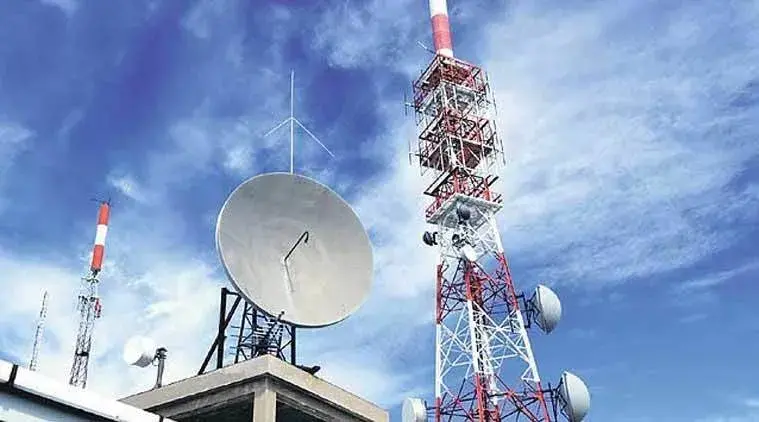
The Telecom Regulatory Authority of India (TRAI), working with the telecom service providers, carried out drive tests at 20 locations and their surrounding areas across the nation on Monday to evaluate the network quality offered by cellular mobile telephone service providers for voice and data services. The drive tests were carried out to assess all regional telecom service providers’ networks’ key performance indicators (KPIs). Coverage, Call Setup Success Rate (CSSR), Drop Call Rate, Block Call Rate, Handover Success Rate, and Rx Quality are the key performance indicators for voice services. The ministry listed the following KPIs for data services: Download and Upload Throughputs, Web Browsing Delay, Video Streaming Delay, and Latency. The areas covered in drive tests were Madurai, Eluru, Karimnagar, Mangalore, Amravati, Bhilwara, Rewari, Bhatinda, Ujjain, Varanasi, Maheshwar, Tengnoupal, Teliamura, Darjeeling-Kalimpong and national highways (110 & 717A), Assam & Arunachal Pradesh and National Highway (27, 127, 715, 15 & 13), Rohtak-Rewari Highway, Ajmer-Bhilwara HW, Ujjain to Sendhwa HW, Varanasi-Lucknow HW and Bhopal-Sagar HW in the quarter ending December. The full report is accessible on the TRAI website at www.analytics.trai.gov.in.

TRAI releases drive test report after assessing telecom network quality in 20 locations across India Read More »

Disney begins its first phase of layoffs

One of the biggest media and entertainment companies worldwide, Disney, is about to start a challenging road of cost-cutting and restructuring. The COVID-19 pandemic and its subsequent economic repercussions have had an influence on the company, along with many others in the sector. Because of this, Disney CEO Robert Iger announced in February that the company would be cutting 7,000 jobs in order to save billions of dollars. Three rounds of job cuts are anticipated, with the first round of notifications taking place this week. The areas most impacted by the layoffs will be the media and distribution segment, ESPN, and the parks and resorts division, according to CNBC. Although it was difficult to make the choice to let go of so many people, the company believes that doing so will enable it to develop a more streamlined and productive business strategy. As Disney continues to develop the structures and operations that will help it succeed in the future, Iger’s email emphasised that there would be challenges ahead for those who stay with the firm. In this challenging time, he did, however, also ask for patience and cooperation. A larger trend in the media sector is reflected in the cost-cutting initiatives being taken by Disney. In order to cut costs and stay viable, legacy media giants like Warner Bros. Discovery have also had to reduce their employees. It is hoped that by taking these steps, companies like Disney would be able to deal with the economic downturn and come out stronger on the other side.

Disney begins its first phase of layoffs Read More »

7 Important Things to Do Before the Financial Year Ends

Article on Gov

The end of the financial year is fast approaching, and it’s important to take stock of your financial situation before the year ends. Here are some things you should consider doing before the financial year ends to ensure that your finances are in order and to maximize your financial opportunities: Review your investments: Take a close look at your investment portfolio and review the performance of your investments. Consider whether you need to make any changes to your portfolio or rebalance your investments to reduce risk and maximize returns. Contribute to your retirement accounts: If you have a 401(k) or an IRA, consider contributing the maximum amount allowed by law. This will not only help you save for retirement but also reduce your taxable income. Take advantage of tax deductions and credits: Make sure that you take advantage of all the tax deductions and credits available to you. This could include deductions for charitable donations, medical expenses, and education expenses. Review your insurance policies: Review your insurance policies, including your life insurance, health insurance, and homeowner’s insurance. Consider whether you need to make any changes to your coverage to ensure that you are adequately protected. Create a budget: Creating a budget can help you get a better handle on your finances and ensure that you are living within your means. Take some time to review your spending habits and identify areas where you can cut back. Pay down debt: If you have outstanding debt, consider paying it down before the end of the financial year. This will not only reduce your debt burden but also improve your credit score. Plan for the future: Finally, take some time to plan for the future. Consider your long-term financial goals and take steps to achieve them, such as creating a savings plan or investing in a new business venture. In conclusion, the end of the financial year is an important time to review your financial situation and take steps to ensure that your finances are in order. By following these tips, you can maximize your financial opportunities and set yourself up for long-term financial success.

7 Important Things to Do Before the Financial Year Ends Read More »

IIT Kharagpur’s iVAR Lab and iXRLabs collaborate to examine the potential of VR in higher education

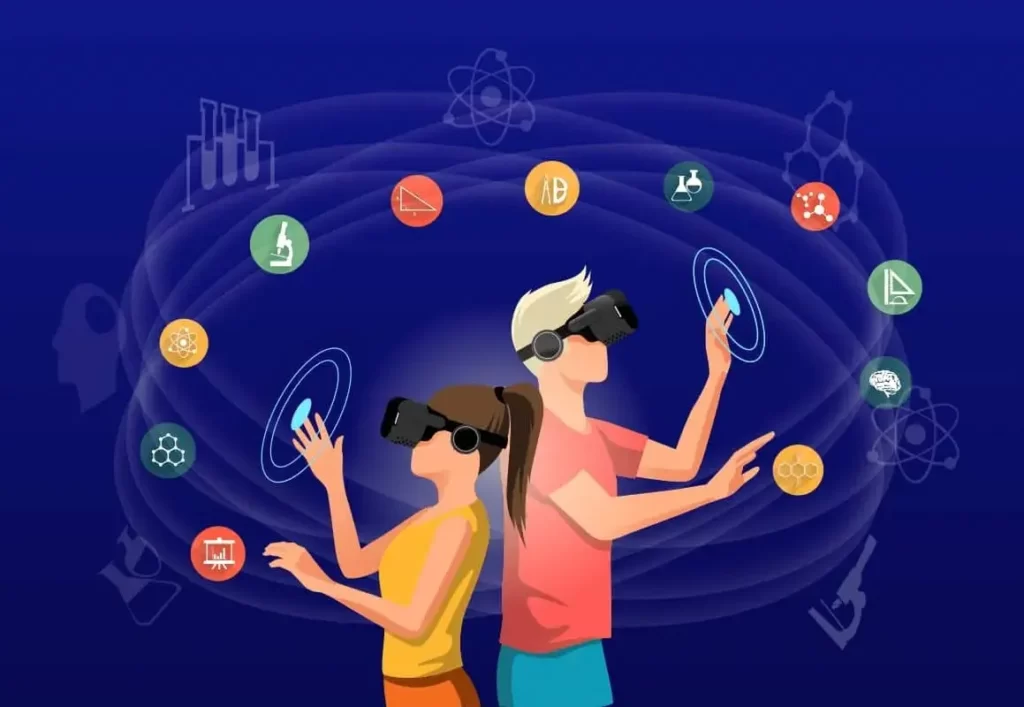
The Indian Institute of Technology (IIT), Kharagpur has joined hands with a Gurugram-based ed-tech startup iXRLabs. To see experience of students with VR, aspirants can check the official website — ivarlab.iitkgp.ac.in. As part of this partnership, iVAR lab will share students’ experiences with virtual reality modules created by iXRLabs in areas like civil, mechanical, electrical, and chemical. Experts are hoping that this collaboration will promote research and innovation in the field of virtual reality for educational purposes. The two organisations hope that their collaboration will significantly improve students’ educational experiences. The modules in these programmes will cover a wide range of industrial settings, including machineries, plant tours, and experiments, such as a jet engine, thermal power plant, and universal testing machine. Also, the iVAR lab will provide inputs in the writing and development of a research paper/white paper based on the pilot project. According to Dr. Kaushal Kumar Bhagat of the iVAR Lab at IIT Kharagpur, “the collaboration will facilitate and foster the research and innovation on the applications of virtual reality in education and training, which will pave the way for a new era of immersive learning experiences that can transform the way students acquire knowledge and skills.”

IIT Kharagpur’s iVAR Lab and iXRLabs collaborate to examine the potential of VR in higher education Read More »

The Benefits and Challenges of Health Tech in Modern Healthcare

Blog on Health

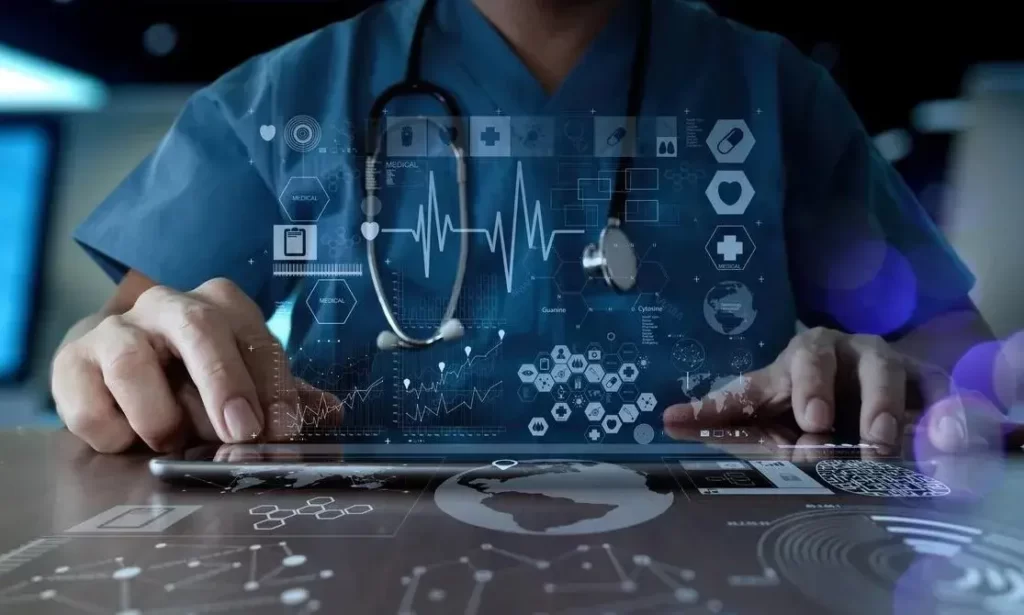
Health technology, or health tech, refers to the use of technology to improve health outcomes, increase efficiency, and reduce costs in the healthcare industry. Health tech encompasses a wide range of technologies, including medical devices, telemedicine, health information technology, and wearable devices. The use of health tech has the potential to revolutionize the healthcare industry and improve the lives of millions of people worldwide. The Benefits of Health Tech One of the major benefits of health tech is improved patient outcomes. With the use of telemedicine, patients can receive medical care remotely, which can reduce the risk of infection, improve access to care, and save time and money. Telemedicine can also improve patient outcomes by allowing doctors to monitor patients in real-time, making it easier to identify and address potential health problems before they become more serious. Another benefit of health tech is increased efficiency. With the use of electronic health records (EHRs), healthcare providers can easily access patient information, reducing the need for manual record-keeping and improving the accuracy of patient data. EHRs can also be used to track patient progress and monitor the effectiveness of treatments, making it easier to identify the most effective treatment options and improve patient outcomes. Health tech can also reduce costs in the healthcare industry. With the use of telemedicine and other remote technologies, healthcare providers can reduce the need for expensive in-person appointments and hospitalizations. Additionally, health tech can help to identify potential health problems earlier, which can reduce the need for costly treatments and surgeries down the line. Types of Health Tech There are many different types of health tech, each with its own unique benefits and applications. Here are some of the most common types of health tech: Telemedicine: Telemedicine refers to the use of technology to provide medical care remotely. Telemedicine can be used for a wide range of medical services, including consultations, check-ups, and follow-up appointments. Telemedicine can be especially useful for patients who live in rural or remote areas, or who have difficulty traveling to medical appointments. Wearable Devices: Wearable devices, such as fitness trackers and smartwatches, are becoming increasingly popular. These devices can track a wide range of health metrics, including heart rate, activity level, and sleep quality. Wearable devices can be used to monitor health over time, identify potential health problems, and motivate patients to make healthy choices. Health Information Technology: Health information technology, or HIT, refers to the use of technology to manage and share patient information. HIT includes electronic health records (EHRs), which allow healthcare providers to easily access patient information and track patient progress. HIT can also be used to share patient information securely between different healthcare providers, improving communication and coordination of care. Medical Devices: Medical devices, such as pacemakers and insulin pumps, have been used for decades to improve health outcomes for patients with chronic conditions. Advances in medical device technology have led to the development of new devices that are more effective and easier to use than ever before. Challenges in Health Tech While health tech has the potential to revolutionize the healthcare industry, there are also some challenges that must be addressed. One of the main challenges is the cost of implementing new technologies. Health tech can be expensive to develop and implement, and healthcare providers may not have the resources to invest in new technologies. Another challenge is ensuring the security and privacy of patient information. With the use of electronic health records and other health information technologies, it is important to ensure that patient information is protected from unauthorized access or disclosure. Finally, there is a need for greater standardization and interoperability in health tech. With so many different types of health tech available, it can be difficult to ensure that different technologies can work together seamlessly. Standardization and interoperability are essential for the success of health tech in healthcare. With so many different types of technologies available, it is important to ensure that they can work together seamlessly. Standardization refers to the development of common technical standards for health tech, while interoperability refers to the ability of different technologies to communicate and exchange data. Achieving standardization and interoperability can be a challenge, as different technologies may have different standards and protocols. However, efforts are underway to develop common standards and protocols that can be used across different technologies. The development of these standards and protocols will help to ensure that different technologies can work together seamlessly, improving the efficiency and effectiveness of healthcare delivery. Conclusion Health tech has the potential to revolutionize the healthcare industry, improving patient outcomes, increasing efficiency, and reducing costs. With the use of technologies such as telemedicine, wearable devices, health information technology, and medical devices, healthcare providers can deliver more personalized and effective care to patients. However, there are also challenges that must be addressed, including the cost of implementing new technologies, ensuring the security and privacy of patient information, and achieving standardization and interoperability. Addressing these challenges will be essential for the success of health tech in healthcare. As the healthcare industry continues to evolve, health tech will become an increasingly important part of healthcare delivery. By embracing new technologies and addressing the challenges of implementation, healthcare providers can improve patient outcomes and deliver more efficient and effective care to patients. The author, Pratik Ghosh is associated with ArdorComm MediaTop of Form    

The Benefits and Challenges of Health Tech in Modern Healthcare Read More »

PM Modi inaugurates free-of-cost medical college & hospital in Karnataka

At Sathya Sai Grama, Muddenahalli in the Chikkaballapura district, Prime Minister Narendra Modi on Saturday originally inaugurated the “Sri Madhusudan Sai Institute of Medical Sciences and Research (SMSIMSR) & “Sri Sathya Sai Rajeswari Memorial Block,” a completely free medical college and hospital. Sri Sathya Sai University for Human Excellence established the SMSIMSR hospital, according to an official release. It was stated that SMSIMSR, which is located in a rural location and was founded with the goal of de-commercializing medical education and healthcare, would offer high-quality medical care and education at no cost to everyone. According to the press release, the institute will begin operations in the 2023–24 academic year. Source: PTI

PM Modi inaugurates free-of-cost medical college & hospital in Karnataka Read More »

NISAR: The earth science satellite developed by NASA and ISRO together to produce high-resolution images of the planet

An earth science satellite called NISAR (NASA-ISRO Synthetic Aperture Radar) was jointly created by the Indian Space Research Organization (ISRO) and the National Aeronautics and Space Administration of the United States. The satellite’s mission includes designing, developing, and launching a dual-frequency (L and S band) radar imaging satellite as well as exploring newer application areas for L & S band microwave data, particularly in surface deformation studies, terrestrial biomass structure, mapping and monitoring of natural resources, and studies pertaining to the dynamics of ice-sheets, glaciers, forests, and oil slicks, among other things. This information was provided in a written reply to a question asked in the Rajya Sabha earlier this week by Union Minister of State for Science & Technology, Space, and Earth Sciences Dr. Jitendra Singh. An Earth observation satellite equipped with a dual-frequency synthetic aperture radar will be launched as part of the NASA-ISRO Synthetic Aperture Radar (NISAR) mission, a joint project between NASA and ISRO. According to the minister, the instrument designated for SAR is based on the cutting-edge Sweep SAR technique and is configured in both the L and S bands in polarimetric mode for wide swath and high resolution. With an inclination of 98.4 degrees and a 747 km sun-synchronous orbit around the Earth, the spacecraft will repeat its orbit every 12 days. According to Dr. Singh, ISRO provides the S-band SAR payload, spacecraft bus, and launch services, whilst NASA provides the L-Band SAR payload, high precision GPS, and 12 m unfurlable antenna. He stated that, as of February 2023, ISRO has spent a total of Rs 469.40 crore, excluding launch costs, on the creation of the NISAR satellite. Using two different radar frequencies (L-band and S-band), NISAR will be the first radar of its sort in orbit to systematically map Earth. It will measure changes to the planet’s surface, including movements as small as centimetres. Synthetic aperture radar (SAR) is a method for creating high-resolution images from a radar system that has limited resolution. The satellite will be used for remote sensing, which enables observation and understanding of Earth’s natural processes. The Antarctic cryosphere will be studied by its left-facing instruments. NISAR is set to be the most expensive Earth-imaging satellite in the world, with a total cost estimated at US$ 1.5 billion.

NISAR: The earth science satellite developed by NASA and ISRO together to produce high-resolution images of the planet Read More »

Accenture to cut 2.5% of workforce, lay off 19,000 employees

A total of 19,000 jobs, or around 2.5% of its workforce, will be cut at the multinational Technology company Accenture, according to the company’s statement. The move is part of cost-cutting measures, which will also include “streamlining how we operate, consolidating office space, and moving forward with our next compressed transformation – transforming our corporate functions,” according to Julie Sweet, CEO of Accenture, who has explained to the staff that the company aims to be the most tech, data, and AI driven, efficient, and agile enterprise in the world. The Company has realized that it can “operate with fewer Accenture Leaders (managing directors) in some parts of the company and still drive our growth,” and these departures will take place by the end of 2023, according to Sweet’s mail. Employees in non-billable corporate functions will be most affected by layoffs. For the severance of the impacted employees, the business has set aside $1.2 billion. The IT major has also lowered its expectations for annual profits and revenue. As opposed to the earlier projection of 8% to 11%, Accenture now anticipates its annual revenue growth to be in the range of 8% to 10% in local currency. Accenture’s projected earnings per share has been reduced from its previous estimate of $11.20 to $11.52 to between $10.84 and $11.06. Yet, the company has declared a $1.12 per share quarterly cash dividend. Accenture announced new orders of $22.1 billion in the most recent quarter, of which consultancy orders accounted for $10.7 billion and managed services orders for $11.4 billion. According to Sweet, the company will keep making investments in its operations and staff to take advantage of growth prospects while also finding ways to reduce expenses through the fiscal year 2024 and beyond. Additionally, she reassured that Accenture announced record Q2 sales and anticipates rapid expansion. It is significant to note that Accenture’s third-quarter prediction fell short of what Wall Street had anticipated. The US Federal Reserve decided to raise interest rates by 25 basis points, which was followed by this announcement. Source: Reuters

Accenture to cut 2.5% of workforce, lay off 19,000 employees Read More »

Robotics-related MTech programme launched at IIT Delhi; GATE score required for admission

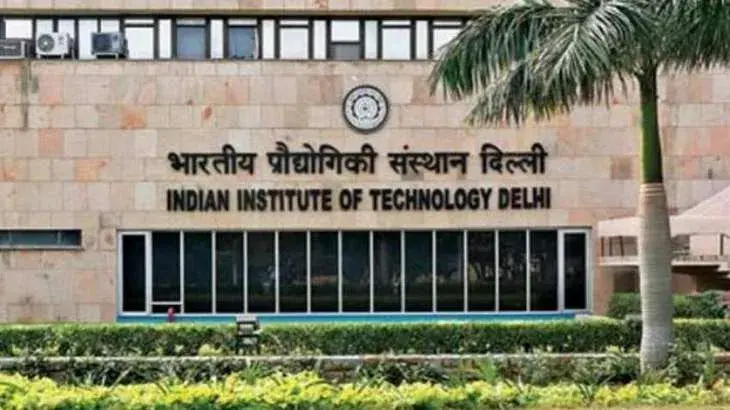
The MTech in Robotics programme was launched by the Indian Institute of Technology, Delhi (IIT-D) today. At home.iitd.ac.in/pg-admissions.php the official IIT Delhi website, interested candidates can apply for this programme. The application deadline for this recently announced programme is March 30. The program’s first batch will begin in the 2023–24 academic year. There are 25 seats available in this programme, and candidates will be admitted using the GATE, a programming test, and an interview. Collaborative robotics, industrial robotics, rehabilitation and medical robotics, and autonomous and intelligent vehicles will all be areas of specialisation in the curriculum. The Department of Computer Science and Engineering, the Department of Electrical Engineering, the Department of Mechanical Engineering, and the Yardi School of Artificial Intelligence in collaboration with the Center of Excellence on Biologically Inspired Robots and Drones (CoE-BIRD) will jointly offer this two-year programme. The new course will emphasise experiential learning along with strong theoretical foundations. Students will be given access to a multidisciplinary curriculum that will provide them with the knowledge and skills necessary to design innovative, intelligent systems and products that can solve today’s problems in the development of robotics platforms and applications.

Robotics-related MTech programme launched at IIT Delhi; GATE score required for admission Read More »

Digital-First Education: How Robust Infrastructure is Shaping the Future of Learning

Blog on Edu

Education has always been an essential part of society, but with the advent of technology, it has become even more critical. The COVID-19 pandemic has highlighted the importance of digital infrastructure in education. Many schools and universities were forced to switch to remote learning, and those with robust and flexible digital infrastructure were better prepared to make the transition. In this blog, we will discuss the importance of digital infrastructure in education and how it can make education more future ready. Accessibility and Inclusivity One of the most significant benefits of a robust and flexible digital infrastructure in education is increased accessibility and inclusivity. Digital infrastructure can help eliminate geographic barriers, making education more accessible to students from all parts of the world. Students can access online courses, classes, and resources from anywhere in the world, making it easier for them to learn at their own pace and on their own schedule. This is particularly important for students in rural or remote areas, who may not have access to traditional classroom-based education. Digital infrastructure can also increase inclusivity by providing support for students with disabilities. For example, closed captions and transcripts can make videos and lectures accessible to students with hearing impairments. Moreover, digital infrastructure enables distance learning, which can be particularly useful for those with physical disabilities that may hinder them from attending physical classrooms. Distance learning allows students to engage in education without the need to be physically present in a classroom, ensuring that education is available to everyone, regardless of their physical ability. Also Read: ArdorComm Media “New Normal – Education Leadership Summit & Awards 2023” #ELSAChennai #ELSATamilNadu Flexibility and Customization Another benefit of digital infrastructure in education is flexibility and customization. With digital tools, teachers can tailor their lessons to meet the needs and preferences of individual students. Digital infrastructure enables personalized learning, which can help students learn at their own pace, providing flexibility to them. Teachers can also provide immediate feedback and support using digital tools, which can help students stay motivated and engaged in their learning. Additionally, digital tools can make education more engaging and interactive. For example, virtual reality and gamification can create immersive learning experiences that make education more exciting and memorable. The flexibility and customization provided by digital infrastructure can help students build skills and knowledge that are aligned with their interests and aspirations. This can help motivate them to learn and succeed, making them more confident and self-aware. Cost-Effectiveness Digital infrastructure can also be cost-effective, particularly in the long term. Traditional classroom-based education requires significant resources, such as buildings, textbooks, and equipment. With digital infrastructure, these costs can be significantly reduced. For example, online textbooks are often less expensive than traditional textbooks, and they can be updated more frequently. Digital tools can also reduce the need for physical classroom space, saving on rent and maintenance costs. In addition, online courses can help reduce the cost of transportation and other expenses associated with traditional classroom-based learning. Future-Readiness Perhaps the most significant benefit of a robust and flexible digital infrastructure in education is future-readiness. With the rapid pace of technological change, it is essential to prepare students for the jobs of the future. Digital infrastructure can provide students with the skills and knowledge they need to succeed in a rapidly changing job market. This includes skills such as coding, data analysis, and digital marketing, which are in high demand in many industries. In addition, digital infrastructure can help students build critical thinking, problem-solving, and communication skills, which are essential for success in any field. Moreover, digital infrastructure can enable collaboration among students across different regions, cultures, and time zones. This collaboration can expose students to diverse perspectives and help them build a global mindset, which is becoming increasingly important in today’s interconnected world. Conclusion Digital infrastructure is essential for the future of education. It can increase accessibility and inclusivity, provide flexibility and customization, be cost-effective, and ensure that students are future-ready. As we move forward, it is crucial for educational institutions to invest in digital infrastructure and ensure that they are equipped with the necessary tools and technologies to provide a high-quality education to their students. However, it is important to note that digital infrastructure alone cannot solve all the challenges facing education. It is also essential to focus on pedagogical approaches and teaching methods that are aligned with the needs of today’s learners. Moreover, there are also concerns about the digital divide and the unequal distribution of digital infrastructure across different regions and communities. It is crucial to address these disparities and ensure that all students have access to high-quality education regardless of their socio-economic status. In conclusion, the future of education is digital-first. Robust and flexible digital infrastructure is essential for providing high-quality education that is accessible, inclusive, flexible, cost-effective, and future-ready. Educational institutions that invest in digital infrastructure and adopt pedagogical approaches that are aligned with the needs of today’s learners will be well-positioned to succeed in the rapidly evolving world of education. The author, Pratik Ghosh is associated with ArdorComm Media  

Digital-First Education: How Robust Infrastructure is Shaping the Future of Learning Read More »