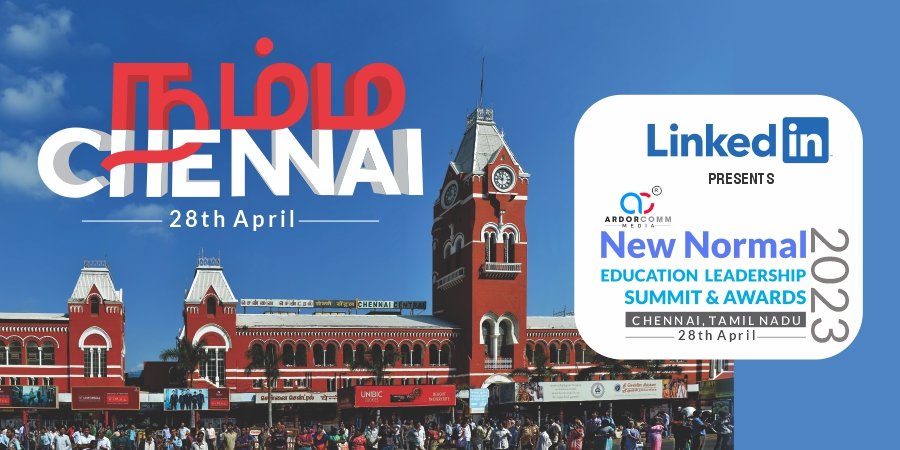
As we approach the year 2030, the world is changing at an unprecedented pace. From advancements in technology to the rise of globalization, these changes have transformed the way we work, communicate, and learn. In this context, the idea of Vision 2030 is gaining traction as a way to prepare for the future and chart a course for growth and development. One of the most important aspects of Vision 2030 is expanding the boundaries of education, skill, and employability. Education is the cornerstone of progress and development. It provides individuals with the knowledge and skills they need to succeed in the modern world. However, the traditional approach to education has not kept up with the pace of change. The focus on rote learning and standardized testing has left many students ill-prepared for the challenges of the future. In order to expand the boundaries of education, skill and employability we need to rethink the way we teach and learn. It is the need of the hour to propel discussions among the education leaders, industry experts and the government to form a roadmap with the Vision 2030 to expand the boundaries of education, skill, and employability. ArdorComm Media Group, one of India’s fastest-growing media companies, is here to explore the possibilities for educational innovation, future trends, and the state of the education sector in order to prompt significant discussions & deliberations among key stakeholders in education, technology, and government. As the nature of work changes, so too do the skills required to succeed. We need to create training programs that teach the skills that are in high demand, such as data analysis, coding, and digital marketing. These programs need to be accessible to all, regardless of their background or economic status. In addition, we need to rethink the way we measure employability. The traditional approach of using degrees and certifications as the sole criteria for hiring is outdated. Instead, we need to focus on skills and experience. Expanding the boundaries of education, skill, and employability is not a simple task. It requires a concerted effort and brainstorming from governments, educators and the industry. How can we create alternative pathways to employment, such as apprenticeships, internships, and skills-based assessments, that focus on skills and experience rather than degrees and certifications? What role do policymakers, educators, and industry play in expanding the boundaries of education, skill, and employability, and how can they collaborate to create effective strategies and solutions? How can we ensure that expanding the boundaries of education, skill, and employability is accessible to all individuals, regardless of their background or economic status? To address these issues and discuss the desideratum in the School & Higher education sector, ArdorComm Media Group, is coming up with: New Normal – Education Leadership Summit & Awards 2023 in Chennai, Tamil Nadu on 28th April 2023. (#ELSAChennai | #ELSATamilNadu) About New Normal – Education Leadership Summit & Awards 2023 #ELSAChennai #ELSATamilNadu :- After consecutive five grand success of ArdorComm ELSA series, “New Normal – Education Leadership Summit & Awards”. We are pleased to announce yet another journey of NEW NORMAL – ELSA series in Chennai, Tamil Nadu on 28th April 2023. The Summit theme of ELSA Chennai, Tamil Nadu will focus on “Vision 2030: Expanding Boundaries of Education, Skill and Employability” We have kept ‘Chennai’ as the host city for our flagship event ‘New Normal- Education Leadership Summit & Awards 2023’. The education sector plays a crucial role in the growth and development of any country, and Chennai has emerged as an important hub for education in India. With its world-class institutions, well-established schools, affordable education, vibrant student community, and emerging EdTech ecosystem, Chennai offers a unique and dynamic environment for learning and innovation. From the Indian Institute of Technology (IIT) Madras to the vibrant startup ecosystem, Chennai is home to a diverse range of educational institutions and initiatives that are shaping the future of education in India and beyond. Whether you are a student, educator, or entrepreneur, Chennai offers a wealth of opportunities for learning, collaboration, and growth in the education sector. The literacy rate in Tamil Nadu has seen an increasing trend with 80.09 percent as per latest population census. Of that, male literacy stands at 86.77 percent while female literacy is at 73.44 percent. Cities like Chennai, Coimbatore, Vellore & Trichy (Tiruchirappalli) represents India’s topmost educational institutes, industries, and career destinations. Hence, Tamil Nadu is considered to be one of the most literate states in India. ArdorComm Media is proud to announce the upcoming Education Leadership Summit and Awards 2023 in Chennai, which promises to be an exciting and informative event for educators, administrators, policymakers, and industry leaders alike. The Education Conclave will feature a range of thought-provoking sessions where attendees will have the opportunity to engage in lively discussions, get to know about the new age technology in education, and hear from keynote speakers on the latest trends and developments in education. This education conference will witness a congregation of leaders from apex government bodies, academicians and educators from universities, colleges, engineering institutes, B-schools, K-12 & pre-schools, experts from corporate, EdTech companies & start-ups. The scope of this education summit extends to deliberating, showcasing and presenting the best and next practices in pre-school, school, higher, skill and technical education. The event will celebrate the success stories of all educators who have been continuously working for the betterment of the current teaching-learning scenario. In addition, the summit will also feature the Higher Education Awards, School Education Awards, EdTech Awards and Startup Awards, which will recognize and celebrate outstanding educators, administrators, and entrepreneurs who have made significant contributions to their respective fields. These awards provide a platform for emerging and established leaders in education to showcase their innovative ideas and receive recognition for their contribution to the education sector. About the ArdorComm Media – Education Leadership Awards 2023 :- The Prestigious ArdorComm Media – Education Leadership Awards 2023 aims to acknowledge Preschools, Schools, Higher Education Institutions, EdTech and Startups who have been tirelessly and