ArdorComm Media Group

Thursday, April 23, 2026 5:09 PM

Author name: admin

Govt Launches Adi Karmayogi Student Chapters; IIT Delhi Named Nodal Hub

ardorcomm news

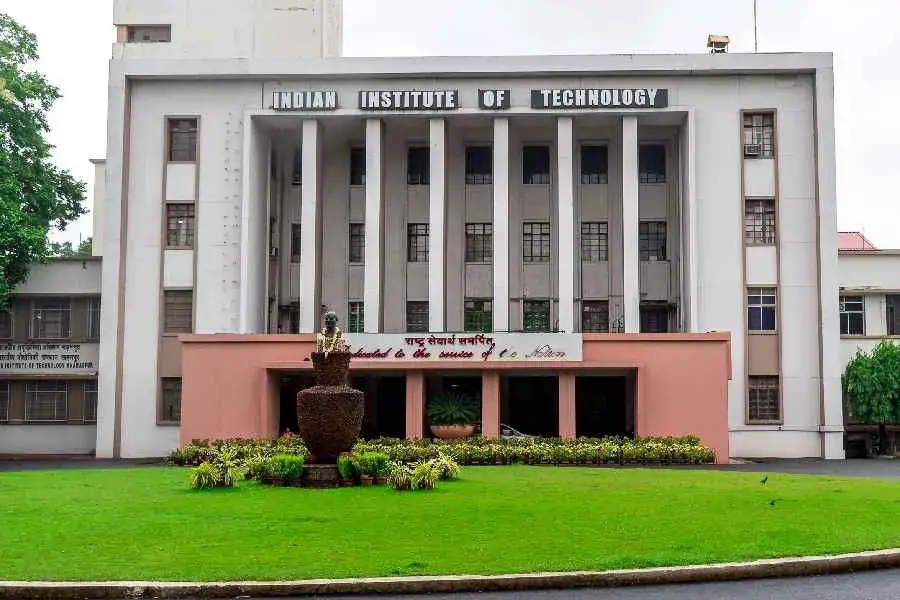
The Ministry of Tribal Affairs has rolled out Adi Karmayogi Student Chapters across India’s leading higher education institutions, including IITs, IIMs, AIIMS, NITs, and central universities, in a bid to empower tribal youth as leaders, innovators, and entrepreneurs. IIT Delhi’s Bhagwan Birsa Munda Cell will serve as the central coordinating hub for the initiative. According to IIT Delhi, the launch reflects a key milestone under the Adi Karmayogi Abhiyan—described as the world’s largest tribal leadership movement—unveiled by Prime Minister Narendra Modi on September 17 as part of Janjatiya Gaurav Varsh (2024–25). At the launch event, Tribal Affairs Secretary Vibhu Nayar said the chapters would act as a “bridge between premier institutions and tribal communities,” nurturing young changemakers to shape India’s educational, entrepreneurial, and social development. IIT Delhi Director Prof. Rangan Banerjee added that the initiative offers a platform for students to “mentor, innovate, and create meaningful impact in tribal regions.” In the first phase, the chapters will be established across a wide network of institutions. These include IITs such as Delhi, Kharagpur, Dharwad, and Hyderabad; IIMs at Sirmaur and Nagpur; AIIMS campuses in Nagpur, Gorakhpur, and Bhatinda; VMMC and Safdarjung Hospital; IISER Mohali; IIST Trivandrum; SVNIRTAR; and others. NITs in Delhi, Patna, Raipur, Puducherry, and Meghalaya, as well as IIITDM Kurnool, BIT Mesra, NERIST Arunachal Pradesh, DTU Delhi, and RGNUL Patiala, are also on board. Additionally, hotel management institutes such as IHM Kufri, IHM Tharamani, IHM Pusa, IHM Bhopal, and IHM Bhubaneswar are part of the launch phase. The Adi Karmayogi Student Chapters will engage in: Mentorship & Education: Linking students from top institutes with EMRS and Ashram schools to enhance learning. Entrepreneurship: Supporting tribal-led startups through a ₹50 crore venture capital fund. Innovation: Organizing hackathons and workshops to develop tech-based solutions for tribal communities. Village Development: Designing Vision 2030 plans, SWOT analyses, and sustainable models. Skill Development: Training in frontier areas such as semiconductors and emerging technologies, in collaboration with IISc Bangalore.  The programme will also facilitate internships with the Ministry of Tribal Affairs and state departments, alongside recognition and awards for outstanding student leaders and mentors. With strong backing from directors and leaders of IITs, IIMs, AIIMS, and IIST Trivandrum, the initiative aims to build a cadre of empowered tribal youth contributing to the vision of Viksit Bharat @2047. Source: Indian Express

Govt Launches Adi Karmayogi Student Chapters; IIT Delhi Named Nodal Hub Read More »

ArdorComm – Digital Bharat Education Conclave 2025 held at The Lalit Ashok in Bengaluru, Karnataka on 19th September 2025

blog image

The vibrant city of Bengaluru, widely hailed as the “Silicon Valley of India” and the country’s leading hub of innovation and technology, witnessed a landmark gathering on 19th September 2025 as ArdorComm Media Group successfully hosted the Digital Bharat Education Conclave 2025 at Bengaluru, Karnataka. With the theme “Digital India Rising: Transforming Education, Skilling & Employability”, the conclave marked a defining moment in the nation’s education journey—bringing together academicians, policymakers, government leaders, industry pioneers, edtech innovators, and HR professionals to accelerate India’s transition towards a digitally empowered learning ecosystem. A Platform for Innovation, Inclusion & Impact The conclave captured the spirit of Education 5.0, where cutting-edge technologies like AI, ML, VR/AR, LMS-driven learning, and advanced data analytics are reshaping traditional teaching-learning methods. By prioritizing human-centric education, inclusivity, and employability, the event highlighted how digital transformation is bridging the gaps in access, quality, and outcomes across India’s education sector. Karnataka, with its progressive education policies, thriving startup ecosystem, and robust digital infrastructure, was the perfect backdrop for this national flagship event. The conclave attracted 50+ eminent speakers, government dignitaries, roundtable discussions, dynamic panel sessions, and 500+ delegates—spanning 150 higher education leaders, 100+ school education leaders, 25+ edtech corporates, and HR & industry experts from across India. Support from Esteemed Government Leaders of Karnataka The summit was strengthened by the gracious support and encouraging messages from key leaders of the Karnataka Government. Shri Siddaramaiah, Hon’ble Chief Minister of Karnataka, lauded the conclave’s vision in expanding the boundaries of education, skilling, and employability, aligning with the spirit of Digital Bharat.  Dr. M.C. Sudhakar, Hon’ble Minister of Higher Education, Karnataka, highlighted the critical role such forums play in advancing progressive policies, fostering digital literacy, and preparing a globally competitive workforce.  Their messages underscored the state government’s strong commitment to positioning Karnataka as a digital-first, education-driven economy. Industry Leaders and Keynote Speakers The Inaugural Session, themed “Digital India Rising: Transforming Education, Skilling & Employability,” set a powerful tone for the day. In his Welcome Address, Kumar Chandan Anand, Founder, CEO & Group Editor, ArdorComm Media Group, emphasized ArdorComm’s mission of bridging gaps between academia, industry, and governance. As the Guest of Honour, Smt. Kanta Naik, Chairperson, Karnataka Skill Development Corporation (KSDC) & Karnataka Vocational Training and Skill Development Corporation (KVTSDC), highlighted initiatives empowering youth with 21st-century skills. Adding further depth to the proceedings, Dr. Shobha G, Director, Department of Collegiate Education, Government of Karnataka; Lakhan Lal Meena, CBSE Regional Officer, Govt. of India and Dr. Pranati Rohit Tilak, Chairman, Tilak Maharashtra Vidyalaya, delivered thought-provoking messages on higher education reforms and technology integration. The first panel discussion, themed “Empowering Students for the Global Stage: Skills for the 21st Century Workforce,” brought together eminent education leaders who shared their perspectives on preparing students for a rapidly evolving world. The session was moderated by Javeria Khan, Director, Aryan Institute, and featured valuable insights from Manjula V, Founder, International Institute for Cognitive and Learning Sciences, and Chirag Agarwal, Founder Director, EarlyVentions Chains of Pre School, who emphasized the need for innovation in early education and cognitive development. Dr. Hemalatha S. Murthy, Director Principal, White Petals Group of Institutions, and Dr. Pranati Rohit Tilak, Chairman, Tilak Maharashtra Vidyalaya, highlighted the role of holistic learning approaches and skill-based education in nurturing future-ready learners. Adding further depth, Hamsa Venugopal, Managing Director, New Baldwin Group of Institutions, and M. Rama Devi, Principal, Reindeer International School, stressed the importance of equipping students with adaptability, communication, and problem-solving skills to succeed in the global workforce. The second panel discussion, titled “Inclusive Campus in the Digital Era: Addressing Digital Divides, Diversifying Curricula,” focused on creating equitable and accessible learning environments in a technology-driven world. The session was moderated by Dr. Sami Ulla M, CEO, MEGA Educational Group, and featured an esteemed panel including Shwetha Sumanth, Owner & Principal, Shanthinikethana School, and Dr. Harshita Sharma, Founder Director, Brainstorm International School, who shared strategies for bridging digital gaps and promoting inclusive education. Manish Rastogi, Group CEO and Wholetime Director, Zee Learn Limited, emphasized the role of innovative learning models in reaching underserved communities, while Ashok K.M. Gowda, Chairman, Ekam Group of Institutions, Electronic City, highlighted initiatives to diversify curricula to meet the needs of a digital-first generation. The panel also included Pritam Kumar Agarwal, Founder & Director, Hello Kids, and Deepak Agarwal, Founder, Cubs The Preschool & Cubs – Sankalp School, who discussed scalable solutions for integrating technology into early childhood education and fostering a culture of inclusion from the foundational years. The third panel, titled “Degrees to Skills: Rethinking Higher Education Outcomes for the Future Workforce,” focused on aligning higher education with the evolving demands of the global workforce. The session was moderated by Dr. Sibi Shaji, Pro Vice Chancellor, Garden City University, and featured a distinguished lineup of education and industry leaders. Anand Subramaniam, Chief Business Officer – IndiaEd Finance, Auxilo Finserve Pvt Ltd, shared insights on bridging the gap between academic credentials and employable skills. Dr. Manish Kothari, Founder and President, ISBR Group of Institutions, and Dr. Shaleesha A. Stanley, Pro Chancellor, Jeppiaar University, emphasized curriculum innovation and experiential learning models. Prof. Anant Chakradeo, Group Provost, MIT Group, India, and Dr. Jayanthi V, Vice Chancellor, Sapthagiri NPS University, highlighted the importance of integrating industry-relevant competencies in higher education programs. The panel also featured Prof. B. S. Satyanarayana, Vice Chancellor, Dayananda Sagar University, and Dr. Balakrishna P. Shetty, Vice Chancellor, Malla Reddy Vishwavidyapeeth, who discussed strategies to prepare students for future-ready careers while fostering holistic development and lifelong learning. The fourth panel, themed “Education 5.0: Redefining Education by Integrating Immersive & Advanced Technologies,” explored how cutting-edge technologies are transforming teaching and learning experiences. The session was moderated by Dr. N. Kannan, Dean, School of Engineering & Technology, CMR University, and featured a panel of visionary education leaders. Nikhil Abhichandani, Associate Director, Meritto, shared insights on leveraging digital platforms to enhance learning outcomes, while Prof. Harish Kumar Sardana, Director, IIIT Raichur, highlighted the role of technology-driven pedagogy in higher education. Dr. K.B. Lingegowda, Vice Chancellor, Sri

ArdorComm – Digital Bharat Education Conclave 2025 held at The Lalit Ashok in Bengaluru, Karnataka on 19th September 2025 Read More »

‘Homebound’ picked as India’s official Oscar entry for 2026

ardorcomm news

Hindi film Homebound has been selected as India’s official submission for the 96th Academy Awards in the Best International Feature Film category. The announcement was made in Kolkata by filmmaker N. Chandra, chairperson of the 12-member selection committee, on Friday. Chandra revealed that 24 films across various Indian languages were in the race, calling the final choice “a very difficult decision.” He added, “We were not judges but mentors, looking for storytellers who have truly left an impact.” Directed by Neeraj Ghaywan and jointly produced by Karan Johar and Adar Poonawalla, Homebound features Ishaan Khatter, Vishal Jethwa, and Janhvi Kapoor in pivotal roles. The film follows the journey of two childhood friends from a modest village in northern India as they pursue a police job that offers them long-sought dignity and recognition. Source: PTI  

‘Homebound’ picked as India’s official Oscar entry for 2026 Read More »

PM Modi on GST reforms: “Savings festival to bring smiles to every household”

ardorcomm news

Prime Minister Narendra Modi on Monday praised the rollout of the new Goods and Services Tax (GST) reforms, describing them as a step that will reduce expenses and spread happiness across homes. Speaking during his visit to an exhibition in Itanagar, Modi interacted with local traders and retailers, emphasizing how the changes would ease financial burdens. Sharing newspaper headlines on social media platform X, he wrote, “From markets to households, GST Bachat Utsav brings a festive buzz, ensuring lower costs and brighter smiles in every home!” The revised GST structure, which came into effect on September 22, coinciding with the start of Navratri, replaces the earlier four-tier system of 5%, 12%, 18%, and 28% with a simplified two-rate model of 5% and 18%. The government projects that these changes, along with earlier income tax reliefs, could result in national savings of ₹2.5 lakh crore. In his address on Sunday, Modi highlighted that the reforms would empower farmers, youth, women, shopkeepers, small traders, and entrepreneurs. He stressed that MSMEs stand to gain significantly, with higher sales and reduced tax liabilities creating a “double bonanza.” The Prime Minister also urged citizens to prioritize Indian-made products, stating that self-reliance and pride in local goods will accelerate the nation’s progress. Source: Hindustan Times

PM Modi on GST reforms: “Savings festival to bring smiles to every household” Read More »

Govt Aims to Meet WHO’s 1:1000 Doctor-Patient Ratio, Says NMC Chairman Abhijat Sheth

ardorcomm news

The government is determined to increase the number of doctors across India in a uniform manner to meet the World Health Organization’s (WHO) standard of a 1:1000 doctor-patient ratio, National Medical Commission (NMC) Chairman Abhijat Sheth said on Saturday. Speaking at the 11th convocation of the Atal Bihari Vajpayee Institute of Medical Sciences (ABVIMS) and Dr. Ram Manohar Lohia Hospital in New Delhi, Sheth congratulated the graduating doctors, their families, and faculty members for their commitment to the medical profession. He underlined the government’s efforts to not only bridge the doctor-patient gap but also to achieve a balanced undergraduate-to-postgraduate (UG-PG) ratio of 1:1, which would bring India’s healthcare standards closer to those of developed nations. Sheth also highlighted initiatives by the NMC and the National Board of Examinations in Medical Sciences, including the integration of skill-based training, virtual learning, and competency-driven education alongside traditional methods. He urged students to focus on their health, resilience, and continuous learning throughout their careers. Addressing the graduating batch, Director General of Health Services (DGHS) Dr. Sunita Sharma reminded them that receiving a medical degree comes with a profound responsibility — to heal, lead, and serve. She emphasized that whether in clinical practice, research, or teaching, doctors must let their work be guided by empathy, evidence, and excellence. Calling medicine a noble calling rooted in compassion, she encouraged young doctors to stay humble and grounded as they advance in their professional journeys. Source: PTI

Govt Aims to Meet WHO’s 1:1000 Doctor-Patient Ratio, Says NMC Chairman Abhijat Sheth Read More »

Govt to Introduce Skill-Based Learning in Class 11 & 12 Under NEP 2020: Pradhan

ardorcomm news

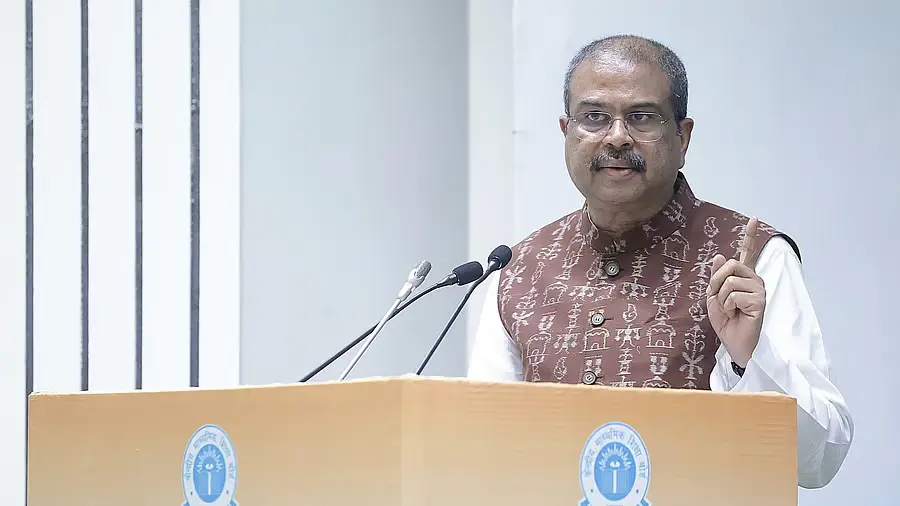
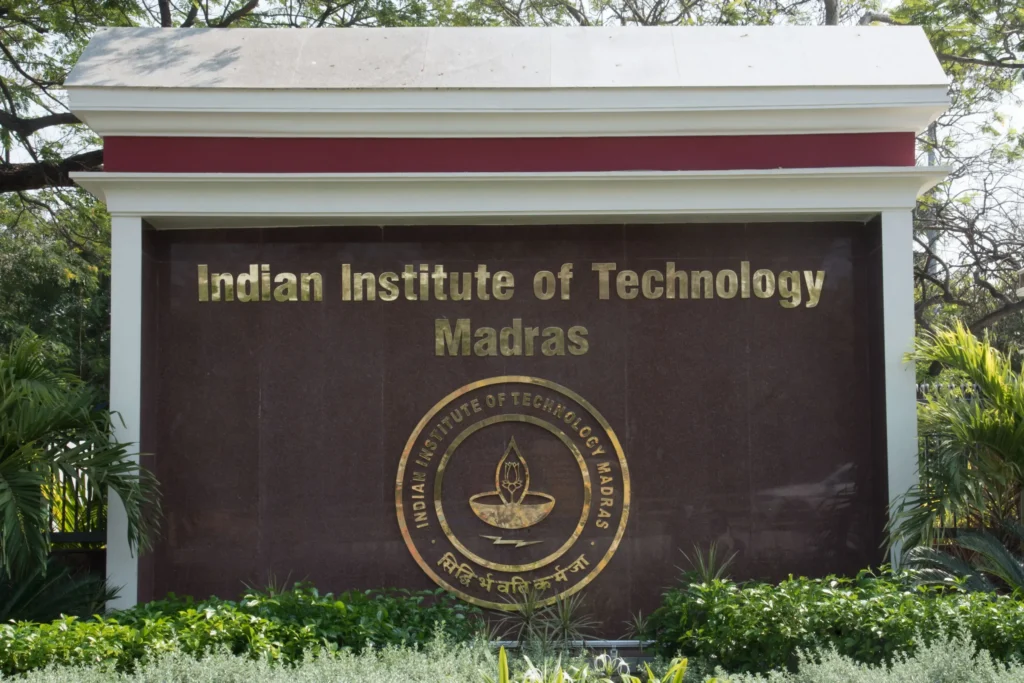
The government is preparing to integrate skill-based learning into the curriculum of Classes 11 and 12 in line with the National Education Policy (NEP) 2020, Union Education Minister Dharmendra Pradhan announced on Sunday. Speaking at the Dakshinapatha Summit 2025 hosted by IIT Madras, Pradhan emphasized the need for a major shift in teaching approaches to match the demands of the modern workforce. He noted that the earlier system focused heavily on degrees and certificates, while the new approach aims to build real-world competencies in students. “We are working to bring in skill-based subjects for Class 11 and 12 students. While qualifications are important, it is equally necessary to ensure that students are job-ready and capable,” the minister said. Pradhan also shared that his ministry is working to embed skill-based education from Class 6 onwards, making it a structured and compulsory part of schooling rather than an optional add-on. He reiterated that skill development forms a core pillar of NEP 2020, which envisions preparing learners for both higher studies and employability. Source: PTI

Govt to Introduce Skill-Based Learning in Class 11 & 12 Under NEP 2020: Pradhan Read More »

Hyundai to Raise Employee Pay by ₹31,000 Over Three Years

ardorcomm news

Hyundai Motor India has finalized a long-term wage settlement that will boost monthly salaries of its technician and workmen cadre by ₹31,000, spread across three years from April 1, 2024, to March 31, 2027. The agreement, signed with the United Union of Hyundai Employees (UUHE), outlines that the increment will be rolled out in phases — 55% in the first year, followed by 25% in the second year, and 20% in the final year. The company highlighted that this is one of the most competitive pay hikes in the industry. Alongside the salary increase, Hyundai confirmed that existing employee welfare benefits such as health coverage and wellness initiatives will remain in place. “This settlement is a product of mutual trust and constructive dialogue. It reaffirms our commitment to creating a progressive workplace culture that balances employee well-being with long-term business growth,” said Youngmyung Park, Function Head – People Strategy at Hyundai Motor India. UUHE, established in 2011, represents nearly 90% of Hyundai’s technician and workmen workforce, with 1,981 members as of August 31, 2025. Following the announcement, Hyundai Motor India’s shares rose 1.69% to ₹2,646 on the BSE. Source: PTI

Hyundai to Raise Employee Pay by ₹31,000 Over Three Years Read More »

AICTE Launches Major Employability Push for Engineering Students, Targets 20 Lakh Learners

ardorcomm news

Marking Engineers’ Day on September 15, the All India Council for Technical Education (AICTE) unveiled a series of initiatives to enhance the employability of engineering graduates, a persistent challenge in India’s higher education sector. The reforms were launched by Dr. Vineet Joshi, Secretary of Higher Education, Government of India, and include Project PRACTICE (Project for Advancing Critical Thinking, Industry Connect and Employability), the AICTE Research Internship (ARI) Portal, and the mandatory setup of R&D Cells and Climate Cells across all approved institutions. At the heart of the reforms, Project PRACTICE will focus on 1,000 tier-2 and tier-3 engineering colleges where academic outcomes are often weaker. Over three years, it aims to benefit 20 lakh students and 10,000 faculty members through project-based learning, industry-linked assignments, and skill enhancement modules. Supported by the Maker Bhavan Foundation, LEAP, and CRISP, the programme carries a joint investment of ₹23.31 crore, co-funded by AICTE and its partners. In a move to integrate technology into learning, AICTE will also provide free access to AI tools like ChatGPT and Perplexity Go, helping students streamline routine work and focus on critical thinking, research, and innovation. Speaking at the launch, AICTE Chairman Prof. T.G. Sitharam said the initiatives are aimed at bridging the employability gap while fostering innovation, sustainability, and stronger industry-academia collaboration. The ARI Portal will open up structured research internship opportunities, while the mandated R&D and Climate Cells are expected to build a culture of innovation and environmental responsibility in campuses. Leaders from partner organisations, including CRISP’s R. Subrahmanyam, highlighted that these reforms will particularly uplift underserved institutions, enabling them to perform closer to the standards of premier colleges. With over 30 lakh students enrolled across 5,868 AICTE-approved engineering and diploma institutes, officials noted that these measures could play a pivotal role in preparing a new generation of graduates equipped to meet evolving industry demands. Source: Indian Express  

AICTE Launches Major Employability Push for Engineering Students, Targets 20 Lakh Learners Read More »

IMA Andhra Pradesh joins hands with US research centre to tackle urinary tract diseases

ardorcomm news

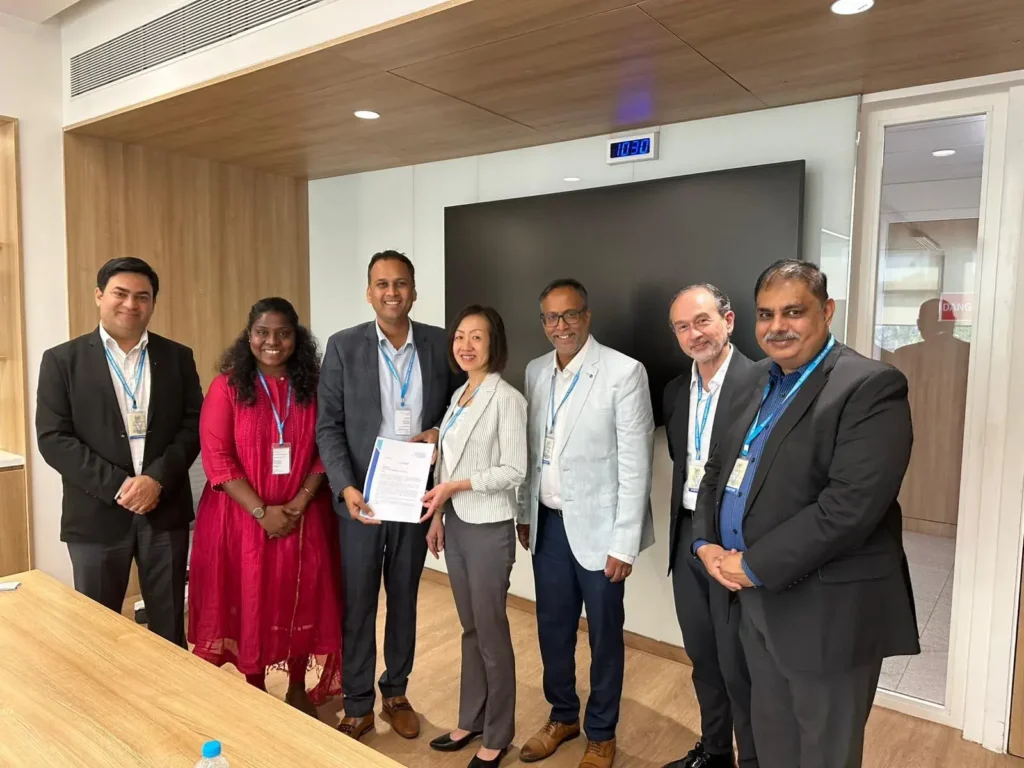
The Andhra Pradesh chapter of the Indian Medical Association (IMA-AP) has partnered with Ipseity, a US-based research centre, to conduct an in-depth study on urinary tract diseases. Highlighting the growing concern, IMA-AP president Dr. G. Nanda Kishore said that chronic urinary tract conditions, especially recurring infections, pose a serious public health challenge. He noted that many antibiotics currently used in treatment are failing to fully eradicate infections, leaving patients vulnerable to repeated urinary tract infections (UTIs). As part of the initiative, urine samples from 300 chronic UTI patients across Andhra Pradesh will be collected for advanced testing. These will include molecular PCR and antimicrobial resistance (AMR) profiling, aimed at identifying the most effective antibiotics for complete recovery. According to Dr. Kishore, the study could play a crucial role in reducing both health risks and financial strain on patients. He also urged doctors across the state to actively support the programme. Dr. Sandeep Nadendla, CEO of Ipseity and a native of Andhra Pradesh, said his mission is to bring advanced diagnostic solutions and medical research closer to the local population. He stressed that collaboration between practicing doctors and research institutions is key to ensuring early detection and better treatment outcomes for diseases affecting communities. Source: TNN

IMA Andhra Pradesh joins hands with US research centre to tackle urinary tract diseases Read More »

Google reportedly cuts over 200 AI contractors amid unionisation concerns

ardorcomm news

Google has allegedly laid off more than 200 contract workers engaged in its artificial intelligence projects, including the development of Gemini and AI Overviews, according to a report by WIRED. The layoffs, carried out in at least two phases last month, came with minimal or no notice, leaving many workers abruptly locked out of their roles. “I was just cut off,” said Andrew Lauzon, a contractor who received an email on August 15 notifying him that his contract had ended. Lauzon, employed by Hitachi-owned GlobalLogic since March 2024, had been involved in training Google’s Gemini chatbot and related AI tools. He said he was told the termination was due to a “ramp-down on the project,” but questioned the security of such precarious employment. Many of the affected contractors, some holding advanced degrees like master’s and PhDs, were part of a group known as “super raters” — workers tasked with reviewing and refining AI responses to make them more accurate and natural. Contractors stressed the importance of their work in shaping Google’s AI products, including the AI Overviews feature that provides summarized search results. “We play an incredibly vital role,” said one rater, noting that engineers rely on their feedback to fine-tune the systems. Google, however, has distanced itself from the job cuts, clarifying that the affected individuals were employees of GlobalLogic or its subcontractors, not Alphabet. “As the employers, GlobalLogic and their subcontractors are responsible for the employment and working conditions of their employees,” Google spokesperson Courtenay Mencini said. The development comes at a time when Google is doubling down on AI investments to compete with rivals such as OpenAI and Microsoft, raising questions about job security in the rapidly evolving AI industry. Source: IANS

Google reportedly cuts over 200 AI contractors amid unionisation concerns Read More »