ArdorComm Media Group

Tuesday, April 28, 2026 12:05 AM

Author name: admin

UN Report Outlines Governance Principles for Sustainable Development

Ahead of the 24th session of the Committee of Experts on Public Administration (CEPA) under the UN Economic and Social Council (ECOSOC), the UN Secretariat has released a paper detailing governance principles essential for achieving equitable and sustainable development. The report, titled Principles of Effective Governance for Delivery of Equitable and Sustainable Development for All (E/C.16/2025/3), explores how rule of law, fair distribution of power, and inclusive resource allocation can drive progress. The paper highlights the urgency of eradicating poverty, ending discrimination, and reducing inequalities that hinder sustainable development. By outlining good governance practices, it aims to demonstrate how effective policies can be implemented across different socio-economic contexts to support the Sustainable Development Goals (SDGs). Key recommendations include strengthening public institutions, enhancing local government capacity, and ensuring policy effectiveness through monitoring and evaluation. The report also underscores the need for holistic, long-term strategies that consider environmental and generational impacts when drafting policies and allocating resources. Additionally, the paper advocates for increased investment in human capital, improved infrastructure and connectivity, and stronger multi-stakeholder partnerships to accelerate SDG implementation. It calls for international cooperation to bridge development gaps and tailor governance frameworks to national realities. Developed by CEPA members Najat Zarrouk and Sherifa Sherif, alongside Augustin Fosu and Juraj Nemec, the report will serve as a foundation for discussions during CEPA’s 24th session, scheduled from April 7-11, 2025. Source: sdg.iisd

UN Report Outlines Governance Principles for Sustainable Development Read More »

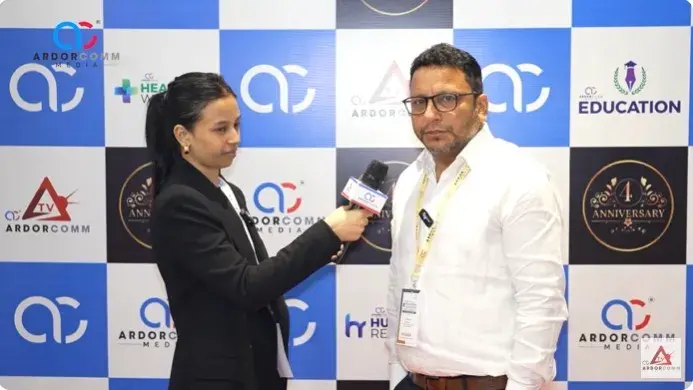
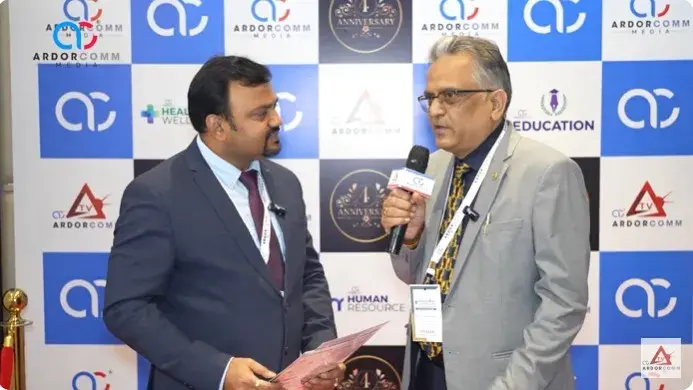
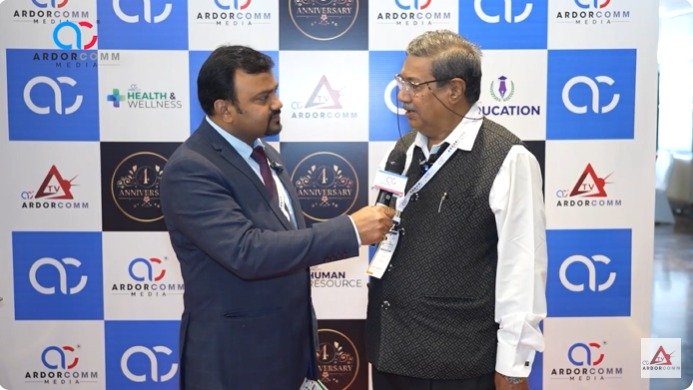
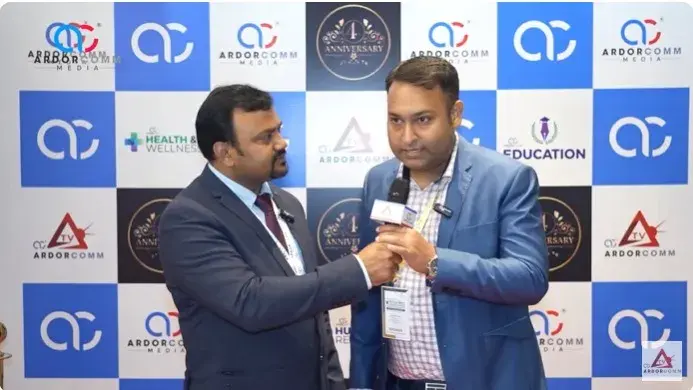
Dr. Prabhat Ranjan, Vice Chancellor of DY Patil International University, Pune, shares insights on digital initiatives, AI integration, incubation, and skilling efforts in academia

“AI is embedded in all our programs, including core engineering branches” said Dr. Prabhat Ranjan. Q1: What digital initiatives have been taken under your leadership? A: I have always focused on digital and future-driven education. From day one, we have integrated digitalization into our curriculum, infrastructure, and teaching aids. Our AI-based computer science program launched in 2019 influenced other institutes by 2020. Q2: What initiatives have been taken in AI, Metaverse, and immersive technologies? A: AI is embedded in all our programs, including core engineering branches. We introduced AI elements like generative design, digital twins, and AR/VR technologies. Our hybrid classrooms use smart cameras, and students have access to mobile electronics labs and 3D printers. Q3: Do you see a gap between industry and academia? A: Instead of following the industry, we focus on developing technology within the university so that industries follow us. Tata Motors professionals now come to us as students, showcasing our leadership in education. Q4: What achievements has your incubation center made? A: We started in 2019 but quickly pivoted to solving global challenges during COVID. Our focus is on creating job creators, not job seekers. Every student is encouraged to set up companies, and we integrate technology commercialization into our curriculum. Q5: What skilling initiatives have you undertaken? A: The most important skill today is “learning to learn.” I personally train students in AI-based creativity. We have top-tier facilities like 3D printing and integrate real-world experiences, including rural internships, into every program. Q6: Any message for ArdorComm Media on its third anniversary? A: I have known ArdorComm Media for a long time and appreciate your hard work. I wish you continued success and many more anniversaries to come.

Dr. Prabhat Ranjan, Vice Chancellor of DY Patil International University, Pune, shares insights on digital initiatives, AI integration, incubation, and skilling efforts in academia Read More »

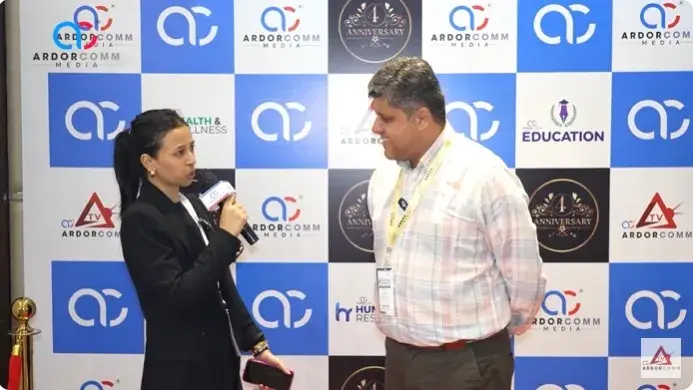
Dr. Sanjeev Sharma discussed over significance of digital education, funding for students, incubation centers, faculty training, and the impact of media in technical education

“All these technologies, including immersive VR, often fail when introduced to Tier-2 or Tier-B colleges, where students struggle with fees and loans” said Dr. Sanjeev Sharma Q: How was your experience at today’s event? A: It’s a great event, Chandan. It’s a unique experience for me, with eminent speakers, scientists, and media professionals present. I travelled from Ghaziabad to Mumbai for this, though I could have attended a similar conference in Chandigarh. However, after coming here, I feel it was definitely worth it. Q: What are your thoughts on digital education and initiatives for students? A: All these technologies, including immersive VR, often fail when introduced to Tier-2 or Tier-B colleges, where students struggle with fees and loans. However, we are doing a lot to support them through CSR funds and MSME grants. MSME and DST provide financial assistance to our college for student development. Q: What skilling initiatives are you working on? A: We have collaborations with NSDC and MSME, which fund our students’ projects. Recently, we developed a drone and a 3D printer, which has gained popularity among our students. Q: Do you have incubation centres for entrepreneurship? A: Yes, our college has 7 to 8 entrepreneur cells. We have partnerships with Ulex, JCB, and Samsung, which have set up labs where students can develop their own products. Some of these innovations are even patented, allowing students to earn through them. Q: Any initiatives for teacher training programs? A: Yes, we conduct multiple Faculty Development Programs (FDPs) in collaboration with IIT Guwahati and NIT Chandigarh to enhance teaching skills. Q: How does media support your institution? A: Media plays a significant role in securing support from organizations like MSME and NSDC. It also helps in maintaining government accountability. Through media, I can invite ministers, government officials, or even the Police Commissioner to my college, which strengthens our institution’s reach and credibility. Q: Apart from RD Engineering College, are you involved in any other initiatives? A: Yes, apart from education, I run a company focused on lateral hiring. Through this initiative, we have placed over two lakh students in various companies. As an advisor at Abdul Kalam Technical University, I have also contributed to placing over 15,000 students in a single year. Q: What is your feedback on this forum? A: Chandan, I have attended several such platforms, but yours stands out as a truly national-level platform. You bring together people from Chandigarh, Haryana, UP, and Mumbai, making it a unique and impactful event. Q: Any good wishes for ArdorComm Media? A: Of course! My best wishes to ArdorComm Media. Everyone here is talking about this event, whether over tea or lunch. It’s truly a one-of-a-kind experience.

Dr. Sanjeev Sharma discussed over significance of digital education, funding for students, incubation centers, faculty training, and the impact of media in technical education Read More »

HIV Cases in Mizoram Surge to 32,287 – Understanding the Crisis

Mizoram is witnessing a concerning surge in HIV cases, with 32,287 individuals testing positive and 5,511 reported deaths as of January 2025. The state now holds the highest HIV prevalence rate in India at 2.73%, far exceeding the national average of 0.2%. State Health Minister Lalrinpuii has urged lawmakers to take immediate action to combat the epidemic. During a meeting of the Mizoram Legislative Forum on AIDS, Mizoram State AIDS Control Society (MSACS) Project Director Dr. Jane R. Ralte provided an update, revealing that 1,769 new cases were detected between April 2024 and January 2025. According to Dr. Ralte, 67% of infections are attributed to unprotected sexual activity, while 30.44% stem from the use of unsterilized syringes. However, a decline in new infections and HIV-related deaths has been observed due to increased testing and adherence to antiretroviral therapy (ART). To support those affected, the state legislators have pledged Rs 50,000 each from their MLA funds for 2024-25, ensuring continuous ART treatment access through MSACS. Additionally, the Health Ministry has introduced HIV self-testing (HIVST) as a discreet, accessible testing method to combat stigma and improve early detection. HIV primarily spreads through unprotected sexual contact, sharing contaminated needles, blood transfusions, and from mother to child during pregnancy or breastfeeding. High-risk groups include individuals with multiple partners, intravenous drug users, sex workers, and healthcare workers exposed to infected blood. With strengthened policies, awareness programs, and self-testing initiatives, Mizoram aims to curb the HIV crisis and ensure better healthcare access for affected individuals. Source: Business Standard

HIV Cases in Mizoram Surge to 32,287 – Understanding the Crisis Read More »

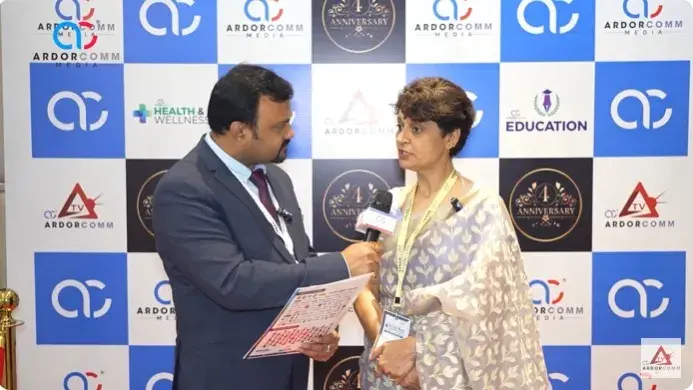
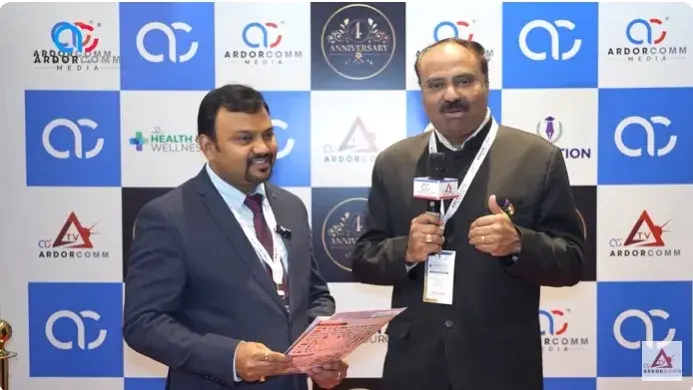
Dr. Swati More discusses MIT ADT University’s initiatives in training, placements, industry collaboration, and alumni engagement to bridge the industry-academia gap.

“Alumni are the backbone of any university. We organize large-scale alumni meets across India, identifying where our alumni are and their designations” said Dr. Swati More Q: What initiatives have been taken under your leadership in the training and placement section? A: Being a private university, we have a lot of autonomy in collaborating with industries. We offer six-month internships and project-based learning, where students complete multiple projects from the second year itself. By the final year, they gain experience equivalent to two years, making them industry-ready. We also conduct reverse engineering to understand industry needs and train students accordingly through workshops, seminars, and certifications in collaboration with companies like AWS. Since the industry is now focusing on skill-based hiring, we ensure students get certified in different domains, highlighting them in their resumes to increase their chances of selection. Q: What initiatives have been taken for the alumni engagement program? A: Alumni are the backbone of any university. We organize large-scale alumni meets across India, identifying where our alumni are and their designations. Through MOUs, they contribute by connecting their industries with us and engaging with students via guest lectures, webinars, and seminars. Some alumni also join as mentors, guiding and supporting students in their career paths. Q: What do you think is the real gap between industry and academia when it comes to placements? A: There is an industry-academia gap, which has been discussed for years. It will take time to minimize because we still follow conventional ways of delivering degrees. However, private universities have taken a step forward by providing internships, live case studies, and industrial visits. These visits help students understand company culture and operations, making them better prepared for interviews and corporate life. Q: How does bringing academia, government, and industry on the same platform help in solving societal challenges? A: The agenda is to bridge the gap by facilitating conversations and resource-sharing among academia, society, government, and industry. This collective approach ensures that the right resources reach the right people, ultimately addressing major societal challenges. Q: Any message for ArdorComm Media on its third anniversary? A: You are doing a fantastic job by bringing all stakeholders onto one platform. This is a huge task, and you are executing it effortlessly. Keep organizing such events, as they help address many societal issues. I wish you all the best!

Dr. Swati More discusses MIT ADT University’s initiatives in training, placements, industry collaboration, and alumni engagement to bridge the industry-academia gap. Read More »

CBSE Approves Draft Norms for Conducting Class 10 Board Exams Twice a Year

The Central Board of Secondary Education (CBSE) has approved draft norms for conducting Class 10 board exams twice a year starting in 2026. The draft guidelines will be open for public feedback until March 9, after which the policy will be finalized. Exam Schedule and Key Guidelines According to the proposed norms, the exams will be conducted in two phases: First Phase: February 17 to March 6 Second Phase: May 5 to 20 Both exams will cover the full syllabus, and students will be allotted the same examination centers for both attempts. The exam fees will be increased and collected at the time of application filing. Supplementary Exams and Policy Implications A senior board official clarified that these biannual exams will also serve as supplementary exams, meaning no separate supplementary exams will be conducted. This move aligns with the National Education Policy (NEP) recommendation, which aims to reduce the “high-stakes” pressure of board exams by allowing students two opportunities in a single academic year. The policy is expected to provide flexibility to students while ensuring they have another chance to improve their scores without waiting for an entire year. Source: Business Standard

CBSE Approves Draft Norms for Conducting Class 10 Board Exams Twice a Year Read More »

Tata Play and Airtel Digital TV Set to Merge, Creating India’s Largest Pay-TV Entity

The Tata and Bharti groups are finalizing a merger between their direct-to-home (DTH) businesses, Tata Play and Airtel Digital TV, in a strategic move to consolidate their positions amid a shrinking pay-TV market. Merger Details and Ownership Structure The merger will be executed through a share swap, with Airtel expected to hold a majority stake of 52-55% in the combined entity, while Tata Play’s shareholders, including Walt Disney, will own 45-48%. This deal is set to enhance Airtel’s non-mobile revenues by reinforcing its ‘triple play’ strategy, which integrates telecom, broadband, and DTH services. Tata Play, formerly Tata Sky, was initially a joint venture with Rupert Murdoch’s News Corp, with Walt Disney acquiring News Corp’s stake in 2019 after purchasing 21st Century Fox. Airtel Digital TV, operated under Bharti Telemedia Ltd, is a wholly owned subsidiary of Bharti Airtel. Market Impact and Subscriber Base The merger will provide Airtel access to Tata Play’s 19 million subscriber homes, creating a combined entity with 35 million paid subscribers as of September 2024 and revenue exceeding ₹7,000 crore in FY24. Additionally, Tata Play’s broadband arm has 500,000 customers, offering cross-selling opportunities. Both companies are expected to sign a heads of terms agreement soon, after which due diligence will begin. The operations of both firms are valued at approximately ₹6,000-7,000 crore each. While Airtel’s senior management is likely to oversee the new entity, Tata is negotiating for two board seats. Industry Trends and Competitive Landscape This deal follows a decade after the Dish TV-Videocon d2h merger and aligns with broader industry shifts, such as Reliance Industries and Walt Disney merging Star India and Viacom18 to form JioStar. The pay-TV sector has contracted significantly, with subscriber numbers falling from 120 million to 84 million homes in recent years due to competition from OTT platforms and DD Free Dish’s free DTH service. A TRAI report from September 2024 indicates that pay DTH subscribers have declined to 60 million from 70 million in FY21. Analysts believe Airtel aims to convert Tata Play’s top 5 million DTH subscribers into broadband customers to boost average revenue per user (ARPU). Regulatory Challenges and Financial Liabilities The merger faces regulatory scrutiny, particularly due to pending licence fee disputes. Bharti Telemedia has a potential liability of ₹5,580 crore, with provisions of ₹3,426 crore made as of March 31, 2024. Tata Play also faces a consolidated licence fee demand of ₹3,628 crore, including ₹1,401.66 crore in interest. Future Outlook Despite the pay-TV sector’s decline, the merged entity is poised to become India’s largest pay-TV provider, leveraging bundled services and broadband integration to drive future growth. Source: Social Samosa

Tata Play and Airtel Digital TV Set to Merge, Creating India’s Largest Pay-TV Entity Read More »

China Calls for Post-War Governance in Gaza, Strengthens Diplomatic Ties with Egypt and Saudi Arabia

As the first phase of the ceasefire in Gaza nears its end, China has called for the swift development of a governance and reconstruction plan for the war-torn region. Beijing has reaffirmed its commitment to Palestinian self-rule and a two-state solution. The call was made during a phone conversation between Chinese Foreign Minister Wang Yi and his Egyptian counterpart, Badr Abdelatty, according to a report by the South China Morning Post. The discussion marks one of Beijing’s first direct engagements on Gaza’s post-war governance since Israel and Hamas agreed to a phased ceasefire last month. The truce consists of three stages, with the second aiming for a lasting ceasefire and the third focused on rebuilding efforts. China Backs Two-State Solution for Palestine China emphasized that any post-war governance framework for Gaza must align with Palestinian self-determination, recognizing Gaza as an integral part of Palestinian territory. Beijing continues to advocate for the two-state solution based on the 1967 borders, which would require dismantling Israeli settlements in the West Bank and ensuring Palestinian sovereignty over both the West Bank and Gaza. Egypt Rejects Trump’s Gaza Displacement Plan During the discussion, Wang expressed China’s support for Egypt’s reconstruction plan, which stresses the importance of Palestinians remaining in their homeland. Egypt has consistently opposed any proposals that could lead to mass displacement. Cairo reaffirmed this stance during a recent meeting between Abdelatty and US Secretary of State Marco Rubio in Washington, where Egypt rejected the Trump administration’s proposed displacement plan for Gaza. China’s Growing Influence in West Asia China has also engaged Saudi Arabia on the issue. Wang met with Saudi Foreign Minister Prince Faisal bin Farhan bin Abdullah on the sidelines of the G20 summit in Johannesburg, where discussions covered the Israeli-Palestinian conflict. Riyadh acknowledged China’s longstanding support for Palestinian rights and expressed confidence in Beijing’s role in promoting regional peace. Wang reiterated China’s commitment to standing with Arab nations in addressing historical injustices. Beijing’s diplomatic push comes amid growing rejection in the region of Trump’s proposals for Gaza’s future. Last week, at the United Nations Security Council, China strongly opposed any political maneuvering over Gaza’s fate. Additionally, China has pledged humanitarian support, announcing plans to send 60,000 food parcels to Gaza following the US decision to halt foreign aid contributions.

China Calls for Post-War Governance in Gaza, Strengthens Diplomatic Ties with Egypt and Saudi Arabia Read More »

Global Survey Exposes Low Awareness of Shingles Among Older Indians

A global survey conducted by GSK across nine countries has revealed that 56.6% of Indians aged 50 and above are unaware of shingles, despite 90% of them carrying the virus in their bodies. Released during Shingles Awareness Week, the findings underscore a critical gap in awareness about age-related health risks and the need for better public health education. Shingles, caused by the reactivation of the varicella-zoster virus—the same virus responsible for chickenpox—is a painful disease that can lead to severe and long-lasting complications. While the virus remains dormant in most individuals, it can reactivate with age as the immune system weakens. Symptoms often include a painful rash, burning or stabbing pain, and, in some cases, chronic nerve damage known as post-herpetic neuralgia (PHN). Severe cases may also result in vision loss or an increased risk of heart attack and stroke. The survey highlighted that 61% of Indian respondents aged 50 and above reported having chronic conditions such as diabetes, cardiovascular disease, chronic obstructive pulmonary disease (COPD), asthma, or chronic kidney disease. However, only 49.8% expressed significant concern about developing shingles. Globally, awareness levels were even lower, with only 13% of those with chronic illnesses viewing shingles as a major health concern. Commenting on the findings, Shalini Menon, Medical Director at GSK India, stated, “The survey results highlight a concerning gap in awareness, which underscores the importance of educating individuals about age-related health risks. Proactive health management, including regular screenings, healthy lifestyle choices, and discussions with healthcare providers about vaccination, can significantly improve health outcomes for older adults.” Despite the lack of awareness, the survey also revealed a positive perception of ageing among Indian respondents. Over 55.7% reported feeling younger than their actual age, with 24% stating they feel at least a decade younger. However, only 25% of Indian respondents actively take steps to prevent age-related diseases, emphasizing the need for greater education and proactive health measures. Shingles Awareness Week, organized in collaboration with the International Federation on Ageing (IFA), aims to promote informed discussions between older adults and healthcare professionals. The initiative encourages individuals to recognize the risks associated with ageing and take preventive steps to safeguard their health. The global survey, conducted by Ipsos on behalf of GSK, gathered responses from 8,400 adults aged 50–60 across Brazil, China, Germany, India, Ireland, Italy, Japan, Portugal, and the USA. In India, 500 respondents participated in the study, which explored perceptions of ageing, awareness of age-related diseases, and the impact of declining immune function on health. Shingles typically presents as a rash with painful blisters across the chest, abdomen, or face. The pain, often described as aching or shock-like, can persist for weeks or even months. The most common complication, post-herpetic neuralgia (PHN), affects 5–30% of shingles cases and can lead to chronic nerve pain. In rare cases, shingles can cause vision impairment or severe cardiovascular complications. Source: Business Standard

Global Survey Exposes Low Awareness of Shingles Among Older Indians Read More »

Granules India Acquires Swiss CDMO Firm Senn Chemicals for ₹192 Crore

Hyderabad-based pharmaceutical company Granules India has acquired Switzerland-based CDMO firm Senn Chemicals AG for CHF 20 million (₹192 crore), marking its foray into the Contract Development and Manufacturing Organization (CDMO) space. Senn Chemicals specializes in peptide synthesis and peptide-based applications, catering to global clients with contract research, development, and manufacturing services. The acquisition is expected to be completed in the first half of 2025, Granules India stated. “By entering the rapidly growing peptide therapeutics segment and acquiring CDMO capabilities, we are expanding into next-generation therapeutics that align with our commitment to innovation and affordability,” said Krishna Prasad Chigurupati, Chairman & Managing Director of Granules India. With Senn’s expertise in peptide synthesis and Granules’ large-scale, cost-efficient manufacturing capabilities, the company aims to deliver high-quality peptide-based solutions globally. Rico Wiedenbruch, Chairman of Senn Chemicals AG, emphasized the strategic fit between the two companies: “With Granules’ scale, operational efficiency, and global reach in the pharmaceutical industry, we see tremendous potential to accelerate our growth and expand our capabilities in the rapidly growing peptide therapeutics segment.” This acquisition strengthens Granules India’s position in the global pharmaceutical landscape, expanding its footprint in next-generation therapeutics and peptide-based drug development. Source: Business Standard

Granules India Acquires Swiss CDMO Firm Senn Chemicals for ₹192 Crore Read More »