ArdorComm Media Group

Sunday, April 12, 2026 7:34 AM

community

NMC Clears Path for For-Profit Firms to Establish Medical Colleges

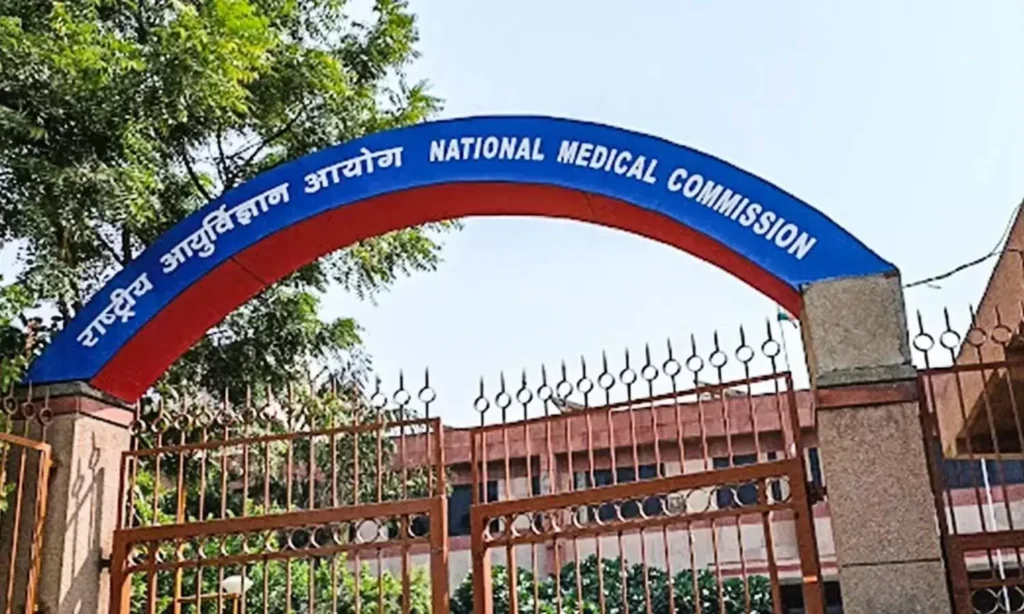
The National Medical Commission (NMC) has officially revised its regulations to allow for-profit companies to set up medical colleges in India, marking a significant shift from the earlier framework that restricted such institutions to non-profit Section 8 companies. Announcing the change, NMC Chairman Abhijat Chandrakant Sheth said the decision was taken at a recent board meeting and removes the clause that limited eligibility to non-profit entities. The revised policy now enables both non-profit and for-profit organisations to establish medical colleges, particularly under the Public-Private Partnership (PPP) model. Speaking at a press briefing at Dr NTR University of Health Sciences in Vijayawada, Sheth said the move is intended to improve the utilisation of resources in medical education by encouraging collaboration between public authorities and private players. He added that PPP-based medical institutions are already functioning effectively in states such as Gujarat. Sheth noted that while the PPP model will be implemented at the discretion of state governments, hospitals operating under such arrangements will remain under state oversight. As a result, patients will continue to receive treatment either free of cost or at subsidised rates. To maintain academic and institutional standards, the NMC has developed its own accreditation framework and Standard Operating Procedures (SOPs). The commission’s broader objective, Sheth said, is to expand access to quality medical education for the general population while aligning with global benchmarks. Highlighting ongoing reforms, he said the NMC is continuously updating its policies to reflect evolving needs in healthcare education. As part of these efforts, clinical research has been made mandatory, with increased emphasis on artificial intelligence, digital healthcare, and emerging medical technologies to future-proof medical training in India. Source: PTI

NMC Clears Path for For-Profit Firms to Establish Medical Colleges Read More »

Weakened Body Clock Tied to Greater Dementia Risk, Study Finds

A new study indicates that disruptions in the body’s internal clock, or circadian rhythm, may significantly raise the risk of developing dementia. Researchers found that older adults with weaker and more irregular circadian patterns were more likely to be diagnosed with the condition over time. The study suggests that when daily activity rhythms peak later in the day—particularly after mid-afternoon rather than earlier hours—the risk of dementia increases sharply. Individuals whose activity levels peaked later were found to have about a 45 per cent higher likelihood of developing dementia compared to those with earlier peaks. According to Wendy Wang, the study’s lead author from the University of Texas Southwestern Medical Center, disrupted circadian rhythms may affect key biological processes. “Such disruptions can influence inflammation and sleep, potentially leading to increased buildup of amyloid plaques in the brain or reducing the brain’s ability to clear them,” she explained. Amyloid plaques are clusters of protein fragments commonly associated with Alzheimer’s disease and are known to damage brain cells, contributing to cognitive decline and dementia. The researchers examined data from more than 2,100 adults with an average age of 79, none of whom had dementia at the beginning of the study. Participants wore chest-mounted devices that tracked their rest and activity patterns for nearly two weeks on average. They were then monitored over a three-year period. During the follow-up, 176 participants were diagnosed with dementia. The findings, published in the journal Neurology, revealed that those with weaker circadian rhythms—marked by irregular sleep and activity cycles—had nearly two-and-a-half times the dementia risk compared to individuals with strong, stable rhythms. A well-regulated circadian rhythm typically aligns closely with the 24-hour day, helping maintain consistent sleep and activity schedules regardless of seasonal or routine changes. In contrast, weaker rhythms are more susceptible to disruptions from light exposure or schedule shifts, often resulting in fluctuating sleep patterns. The study also highlighted timing differences in daily activity. Participants whose peak activity occurred after 2:15 pm faced a significantly higher dementia risk compared to those whose activity peaked earlier in the afternoon. Researchers noted that a delayed activity peak may reflect a mismatch between the body’s internal clock and external environmental cues such as daylight and darkness. Wang added that while changes in circadian rhythms are a natural part of ageing, growing evidence suggests these disruptions may play a role in neurodegenerative diseases. “Our findings show that fragmented rhythms and delayed activity patterns are associated with a higher risk of dementia,” she said. The research underscores the potential importance of maintaining regular sleep-wake cycles and daily routines as people age, though further studies are needed to determine whether improving circadian health can help reduce dementia risk. Source: PTI

Weakened Body Clock Tied to Greater Dementia Risk, Study Finds Read More »

Wipro Tightens Hybrid Work Rules, Sets Minimum Office Hours

Wipro has revised its hybrid work framework in India, introducing stricter attendance requirements for employees. Under the updated policy, staff are now required to spend a minimum of six hours in the office on at least three days each week, marking a shift from the earlier flexible-hour approach. While the three-day office attendance rule has existed for some time, the new requirement specifies that the six hours must be completed between official “in” and “out” punches. The policy came into effect on January 1 and applies across Wipro’s India operations. The Bengaluru-based IT major employs around 234,000 people globally. Employees who fail to meet the weekly office attendance or hourly requirement may see deductions from their leave balance, according to multiple employees cited by The Economic Times. Spending less than six hours in the office on a mandated day could result in a half-day leave deduction, while repeated shortfalls may lead to more days being adjusted from available leave. Wipro has also curtailed its temporary remote work option. The allowance has been reduced to 12 days a year from the earlier 15 days. These days can be used for health-related needs, self-care, or caregiving responsibilities. In an internal communication announcing the changes, Wipro reiterated that hybrid work remains central to its future workplace strategy. The company said the revised policy aims to balance flexibility with improved collaboration and urged employees to adhere to the guidelines “in both letter and spirit.” The company clarified that the six-hour requirement refers only to time spent in the office. Total daily working hours remain unchanged at 9.5 hours, with employees expected to complete the remaining hours remotely on the same day. Wipro did not respond to media queries on the matter at the time of reporting. The move comes as India’s $283 billion IT services industry faces subdued growth, partly due to artificial intelligence reducing reliance on traditional manpower-heavy delivery models. Industry observers note that faster development cycles and compressed project timelines are prompting companies to push for greater in-person collaboration. “Software releases that once took years are now being rolled out in weeks,” said Guruprasad Srinivasan, Executive Director at staffing firm Quess Corp. “That kind of speed demands close coordination, which is often more effective in a physical office environment.” Other major IT firms have also tightened return-to-office norms. Tata Consultancy Services (TCS) has implemented a five-day work-from-office policy, linking variable pay to attendance levels, while Infosys mandates a minimum number of in-office days each month for junior and mid-level employees, backed by system-driven enforcement. Together, these measures signal a broader industry shift towards stricter hybrid and in-office work models as tech companies adapt to changing business and delivery realities. Source: Economic Times

Wipro Tightens Hybrid Work Rules, Sets Minimum Office Hours Read More »

IIMC Opens Applications for PhD Admissions 2025–26

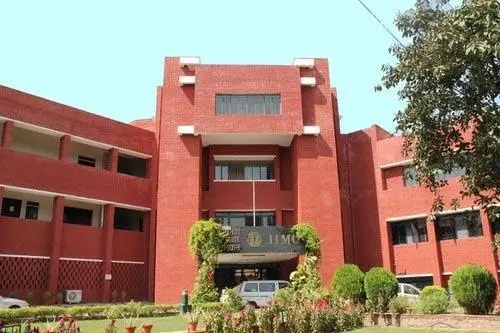
The Indian Institute of Mass Communication (IIMC), a Deemed-to-be-University under the Ministry of Information and Broadcasting, has invited online applications for admission to its PhD programme for the 2025–26 academic year. Interested candidates can submit their applications through the official website, iimc.gov.in, by January 30, 2026. The doctoral programme is available in full-time and part-time formats and focuses on advanced research across journalism, mass communication and related interdisciplinary areas. Research areas and seat intake IIMC’s PhD programme offers research opportunities in fields such as journalism, mass communication, digital media, advertising, public relations, strategic and political communication, film studies, and development communication. A total of 22 seats have been announced, including 18 full-time and four part-time positions. Eligibility criteria Applicants seeking full-time admission must hold a master’s degree in journalism, mass communication or allied disciplines with at least 55% marks, or a four-year bachelor’s degree with research and a minimum of 75% marks. Qualification in UGC NET (Mass Communication and Journalism) is mandatory. For the part-time PhD, candidates must meet the same academic requirements, be currently employed, possess a minimum of three years of relevant professional experience, and submit a No Objection Certificate (NOC) from their employer. Important dates Applications open: January 1, 2026 Last date to apply: January 30, 2026 Entrance exam (Part-time only): February 15, 2026 Entrance exam result: February 20, 2026 Interview shortlist: February 23, 2026 Interviews begin: March 9, 2026 Final result: March 19, 2026 Admission & document verification: March 23–27, 2026 Coursework begins: April 1, 2026 Selection process For full-time candidates, no written entrance test will be conducted. Applicants with valid UGC NET scores will be directly shortlisted for interviews. The final merit list will be prepared with 70% weightage to UGC NET percentile and 30% to interview performance. For part-time candidates, an offline entrance examination will be held at the IIMC Delhi campus, unless exempted due to UGC NET qualification. Final selection will be based on 70% weightage to the entrance test or UGC NET score and 30% to the interview. Application fee and process The application fee is ₹2,500 for General category candidates, ₹1,500 for OBC/SC/ST/EWS/PwD applicants, and $100 for international candidates. The fee is non-refundable and must be paid online. Applicants must complete the online registration, upload the required documents—including a statement of purpose and research proposal—and submit the form before the deadline. Candidates are advised to regularly visit the official website for further updates and notifications. Source: Indian Express

IIMC Opens Applications for PhD Admissions 2025–26 Read More »

Homebound advances in Oscars 2026 race, brings Indian cinema back into global spotlight

Indian cinema has once again made its presence felt on the global awards stage, with Homebound moving into the next round of voting for the Best International Feature Film category at the Oscars 2026. The Academy of Motion Picture Arts and Sciences (AMPAS) announced that 15 films from around the world have been shortlisted from a pool of entries submitted by 86 countries and regions. India’s Homebound is among this elite list, standing alongside films from Argentina, Brazil, France, Germany, Iraq, Japan, Jordan, Norway, Palestine, South Korea, Spain, Switzerland, Taiwan, and Tunisia. The shortlisted titles include Belen (Argentina), The Secret Agent (Brazil), It Was Just an Accident (France), Sound of Falling (Germany), The President’s Cake (Iraq), Kokuho (Japan), All That’s Left of You (Jordan), Sentimental Value (Norway), Palestine 36 (Palestine), No Other Choice (South Korea), Sirat (Spain), Late Shift (Switzerland), Left-Handed Girl (Taiwan), and The Voice of Hind Rajab (Tunisia). Confirming the development, The Academy shared an update on its official social media platforms, noting that the selected films have advanced to the next stage of voting. The final Oscar nominations are scheduled to be announced on Thursday, January 22. Directed by Neeraj Ghaywan, Homebound has already enjoyed an impressive international journey, premiering at major film festivals including Cannes, Toronto International Film Festival, and the Melbourne International Film Festival. With its inclusion in the Oscar shortlist, the film has achieved a rare distinction, becoming only the fifth Indian film in the Academy Awards’ 98-year history to reach this stage in the International Feature Film category. Starring Ishaan Khatter and Vishal Jethwa in lead roles, the film explores the lives of childhood friends Shoaib and Chandan, whose shared aspiration to join the police force shapes their destinies. Janhvi Kapoor plays a key role, adding emotional depth to a narrative rooted in friendship, ambition, and the social pressures faced by young people in contemporary India. Ishaan Khatter marked the achievement by sharing the news on his Instagram stories. Homebound is produced by Karan Johar, Adar Poonawalla, and Apoorva Mehta, with co-producers Marijke deSouza and Melita Toscan Du Plantier. The project also boasts acclaimed filmmaker Martin Scorsese and Pravin Khairnar as executive producers. The film’s progression in the Oscars race is being seen as a significant moment for Indian cinema, reinforcing its growing resonance on the international stage. Source: ANI

Homebound advances in Oscars 2026 race, brings Indian cinema back into global spotlight Read More »

Wearable Health Tech: How Smart Devices Are Changing Preventive Care

Preventive healthcare is undergoing a quiet but powerful transformation, driven by the rapid rise of wearable health technology. Devices that were once seen as simple fitness accessories have evolved into sophisticated health companions capable of tracking vital signs, detecting early warning signals, and encouraging healthier lifestyles. As healthcare shifts from treating illness to preventing it, wearable technology is playing a central role in empowering individuals and supporting more proactive, data-driven care. The Shift from Fitness Tracking to Health Monitoring Wearable health devices initially gained popularity for tracking steps, calories burned, and workout routines. Over time, advances in sensor technology, data analytics, and connectivity have expanded their capabilities far beyond fitness. Today’s smartwatches, rings, patches, and bands can monitor heart rate, heart rhythm, blood oxygen levels, sleep quality, physical activity, and stress levels throughout the day. This evolution has made wearables relevant not just to fitness enthusiasts but also to individuals managing chronic conditions, older adults focused on healthy ageing, and people seeking to improve overall well-being. Wearables now serve as everyday health monitors rather than occasional wellness tools. Continuous Monitoring and Real-Time Insights One of the most significant advantages of wearable health technology is continuous monitoring. Traditional healthcare relies on periodic checkups that capture health data at a single point in time. Wearables, by contrast, collect information around the clock, offering a more complete picture of how the body responds to daily activities, stress, sleep, and lifestyle choices. By identifying patterns and deviations from normal ranges, wearables can highlight early signs of potential health concerns. Subtle changes in heart rate, sleep quality, or oxygen levels may signal fatigue, infection, or cardiovascular stress before noticeable symptoms appear. This constant flow of information enables timely action and encourages preventive care rather than delayed treatment. Early Detection and Timely Intervention Wearable devices are increasingly capable of detecting early warning signs of health issues. Some smart devices can identify irregular heart rhythms, unusually high or low heart rates, or abnormal sleep patterns. Alerts prompt users to seek medical advice, adjust daily habits, or monitor symptoms more closely. Early detection can be life-saving, particularly for conditions such as heart disease, diabetes, and sleep disorders. When issues are identified at an early stage, interventions are often simpler, less costly, and more effective. Wearables thus act as an early warning system, helping individuals respond before problems escalate. Encouraging Healthier Behaviors Beyond monitoring, wearable health technology plays a powerful role in behavior change. By translating complex health data into simple insights, reminders, and goals, wearables motivate users to take charge of their health. Daily step targets, activity reminders, sleep scores, and stress-management prompts encourage small but consistent lifestyle improvements. This ongoing feedback helps users develop greater awareness of how their habits affect their health. Over time, these insights can lead to sustained changes such as improved physical activity, better sleep routines, healthier eating habits, and more effective stress management. Supporting Chronic Disease Management For individuals living with chronic conditions, wearable technology offers continuous support and reassurance. Devices can help track vital parameters relevant to conditions like diabetes, hypertension, and heart disease. Instead of relying solely on occasional measurements, users gain ongoing visibility into how their bodies respond to medication, diet, and activity. This continuous data can improve self-management and support informed discussions with healthcare providers. It also reduces dependence on frequent hospital visits, making care more convenient and accessible, especially for those with limited mobility or access to healthcare facilities. Integration with Digital Healthcare Wearable health tech is increasingly being integrated with digital healthcare systems. Data collected by devices can be shared with healthcare professionals through mobile apps, teleconsultation platforms, or electronic health records. This connectivity allows doctors to monitor patients remotely, identify risks early, and provide personalized guidance without the need for constant in-person visits. Such integration is particularly valuable in preventive care, where early insights and timely advice can prevent complications. It also supports healthcare systems by reducing the burden on hospitals and clinics while improving patient outcomes. Challenges and Ethical Considerations Despite their benefits, wearable health devices also raise important challenges. Data privacy and security are major concerns, as wearables collect sensitive personal health information. Ensuring that this data is protected and used responsibly is critical to maintaining trust. Accuracy is another consideration. While wearable devices provide valuable insights, they are not a replacement for professional medical diagnosis. Clear communication about their limitations, along with continued improvements in sensor reliability and regulation, is essential. The Future of Preventive Care As technology continues to advance, wearable health devices are expected to become even more intelligent and personalized. Artificial intelligence and advanced analytics will enable more accurate predictions, personalized recommendations, and early detection of complex health conditions. Future wearables may monitor a wider range of biological markers, further strengthening their role in preventive care. Conclusion Wearable health technology is redefining how preventive care is delivered and experienced. By enabling continuous monitoring, early detection, personalized insights, and better engagement with health data, smart devices are shifting healthcare from a reactive model to a proactive one. As wearables become more integrated into daily life and healthcare systems, they hold the potential to improve long-term health outcomes, reduce healthcare costs, and empower individuals to take control of their well-being.  

Wearable Health Tech: How Smart Devices Are Changing Preventive Care Read More »

Govt eases norms for deep-tech startups, drops three-year eligibility rule for DSIR recognition

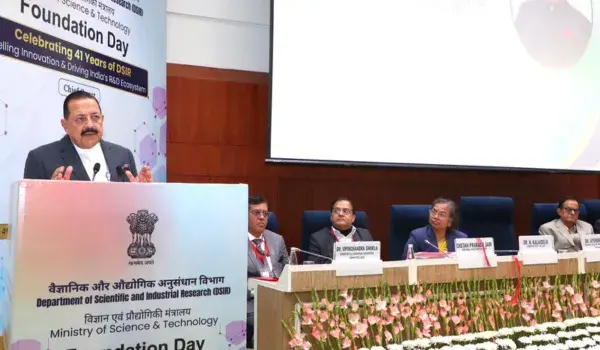
The central government has announced a major policy relief for deep-tech startups by removing the mandatory three-year existence requirement to obtain recognition under the Department of Scientific and Industrial Research (DSIR)’s Industrial Research and Development Promotion (IRDP) Programme. Speaking at the 41st Foundation Day of DSIR in New Delhi, Union Minister of Science and Technology Dr Jitendra Singh said the decision is aimed at enabling deep-tech startups to scale faster at early stages, even before they achieve operational maturity. He noted that the move signals the government’s growing trust in India’s innovation ecosystem and its confidence in the long-term sustainability and intent of homegrown innovators. The Minister emphasised that the reform aligns with several transformational steps taken under Prime Minister Narendra Modi’s leadership, including opening up the nuclear and space sectors to private participation. To support innovation in these emerging domains, he said the government will further accelerate policy and institutional initiatives. Dr Singh also highlighted that India is steadily advancing the vision of Aatmanirbhar Bharat, while simultaneously positioning itself as a reliable global innovation and technology partner for other nations. During the event, the Minister unveiled a series of initiatives to strengthen India’s research, development, and innovation ecosystem. These included the release of Guidelines for Recognition of In-House R&D Units, the recognition framework for Centres of Deep-Tech Startups, the launch of the PRISM Network Platform – TOCIC Innovator Pulse, and Creative India 2025 under the PRISM scheme. Source: newsonair

Govt eases norms for deep-tech startups, drops three-year eligibility rule for DSIR recognition Read More »

Government Sets Up Live Events Development Cell to Power India’s Rapidly Growing Concert Economy

The Union Ministry of Information and Broadcasting has launched a Live Events Development Cell (LEDC) to provide a structured push to India’s fast-growing live entertainment and concert ecosystem, according to an official statement. Envisioned as a single-window facilitation platform, the LEDC will help simplify regulatory processes, coordinate with states and industry stakeholders, and create an enabling environment for large-scale live events. The broader objective is to position India as one of the world’s leading live entertainment destinations by 2030. The move comes at a time when the organised live events industry is witnessing strong momentum. Valued at ₹20,861 crore in 2024, the sector is expanding at nearly 15% annually and is projected to grow at a CAGR of 18%, outperforming several traditional media segments. Constituted in July 2025 under the direction of Union I&B Minister Ashwini Vaishnaw, the LEDC brings together representatives from central and state governments, industry associations, and major event management companies to drive coordinated policy support and sectoral growth. The initiative follows Prime Minister Narendra Modi’s remarks at the WAVES Summit in May 2025, where he underscored the live entertainment industry’s untapped potential to boost investment, tourism, and India’s global cultural footprint. Currently, the sector supports over 10 million jobs, with each large-format event generating more than 15,000 direct and indirect employment opportunities. Growth is no longer limited to metros, as Tier-2 and Tier-3 cities emerge as new demand centres. Data cited from a BookMyShow 2025 report highlights a 490% surge in live event footfalls in Visakhapatnam, while Shillong and Guwahati recorded growth of 213% and 188%, respectively. Overall consumption across music concerts, sports, and theatre rose by 17%. Industry experts note that the increasing presence of global performers alongside extensive domestic tours signals a maturing and globally competitive market. To bridge infrastructure gaps and improve ease of doing business, the ministry has also set up a Joint Working Group with private sector players, including District by Zomato. Through these measures, the LEDC aims to double the size of the live events industry, create 15–20 million jobs, and place India among the top five global live entertainment hubs. Source: Economic Times

Government Sets Up Live Events Development Cell to Power India’s Rapidly Growing Concert Economy Read More »

CIEL HR Services Raises ₹30 Crore from Zoho, Pegasus and Others Ahead of IPO

Chennai-based CIEL HR Services has raised ₹30 crore from a group of 88 investors in a pre-IPO funding round, with participation from Zoho Corporation, Pegasus India, and Standard Fireworks, as the company gears up for its proposed public listing. In an official disclosure, the human resources solutions firm said it allotted 27,27,272 equity shares at ₹110 per share, aggregating the total fundraise to ₹30 crore. The pre-IPO placement received board approval on November 17, followed by shareholder clearance at an extraordinary general meeting on November 28. Alongside Pegasus India Evolving Opportunities Fund, Zoho Corporation and Standard Fireworks, the investor base includes prominent names such as Rajashekar Reddy Seelam (founder of 24 Mantra Organic), Prime Securities, KTV Kannan of KTV Group, Sri Kaliswari Fireworks, the Pothys family office, AIKYAM Capital, NS Rajan, and leadership expert Abhijit Bhaduri, among others. As per its draft red herring prospectus (DRHP), CIEL HR Services’ IPO will consist of a fresh issue worth ₹335 crore along with an offer for sale (OFS) of 47.4 lakh shares by promoters and other existing shareholders. The company plans to deploy the fresh issue proceeds to increase its stakes in subsidiaries including Firstventure Corporation, Integrum Technologies, Next Leap Career Solutions, People Metrics, and Thomas Assessments. Funds will also be used to meet working capital needs, pursue inorganic growth opportunities, and cover general corporate expenses. Additionally, CIEL intends to invest in five subsidiaries—CCIEL Skills and Careers, FirstVenture Corporation, Integrum Technologies, Ma Foi Strategic Consultants, and Next Leap Career Solutions—to strengthen and scale their learning and talent development platforms. Founded in Chennai, CIEL HR Services provides a technology-led, end-to-end HR solutions portfolio, covering the entire employee lifecycle, from talent acquisition and assessment to learning, skilling, and workforce management. Source: PTI

CIEL HR Services Raises ₹30 Crore from Zoho, Pegasus and Others Ahead of IPO Read More »

IIT Hyderabad sets up Centre for Creative Arts to bridge arts and technology

The Indian Institute of Technology Hyderabad (IIT Hyderabad) has announced the establishment of a Centre for Creative Arts (CCA) within its Department of Liberal Arts, marking a significant step towards blending creativity with technical and scientific learning. According to the institute, the new Centre aims to embed artistic practices more deeply into engineering and science education. IIT Hyderabad has been nurturing creative and liberal arts for more than a decade, with structured initiatives beginning in 2014 through heritage tours for first-year students. Over the years, these efforts have grown into credited courses, and currently about 10 per cent of the undergraduate curriculum includes liberal and creative arts such as photography, fine arts, performing arts and crafts. The Centre for Creative Arts will offer elective courses ranging from one to three credits in creative and performing arts for both undergraduate and postgraduate students. It also plans to bring practicing artists on board as adjunct faculty and distinguished professors. Artist-in-Residence programmes will enable long-term interaction between students and professionals, encouraging cross-disciplinary engagement across engineering, science and design. In addition to teaching, the Centre will support research in the arts, including doctoral programmes. Visiting artists may act as co-supervisors for research scholars, helping integrate practice-based artistic knowledge with academic research. Collaborations with cultural organisations, including SPIC MACAY, are also planned to enrich campus activities. Beyond the campus, the Centre will run outreach initiatives for school students and art educators, with the objective of promoting early exposure to diverse art forms and strengthening ties between the institute and the broader community. Announcing the launch, IIT Hyderabad Director Prof B S Murty said the Centre reflects the institute’s vision of combining creativity, culture and technology in higher education. Dr Aalok Khandekar, Head of the Department of Liberal Arts, added that the CCA would build on existing initiatives while enabling new courses and research collaborations. Source: Indian Express

IIT Hyderabad sets up Centre for Creative Arts to bridge arts and technology Read More »