
ArdorComm Media Group

Thursday, August 6, 2026 3:11 AM

community

BHU Secures INR 1 Crore Donation to Establish 40 Chemistry Scholarships in Honour of Renowned Alumnus
News on Edu

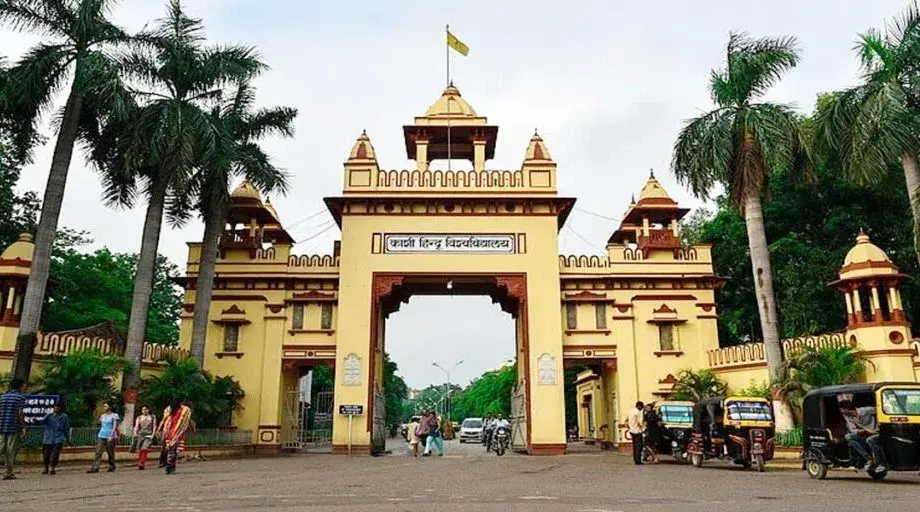
Banaras Hindu University (BHU) has entered into a noteworthy agreement with the Kalipatnapu Foundation, securing a substantial donation of Rs 1 crore. This generous contribution will establish 40 scholarships tailored for undergraduate (UG) and postgraduate (PG) students majoring in chemistry at the Institute of Science. These scholarships are set up in honour of the late Kalipatnapu Kondiah, who was a distinguished alumnus and former faculty member at BHU. Kondiah’s academic journey began with a BSc and MSc at BHU, and he later served as a faculty member within the Chemistry Department from 1922 to 1941, eventually assuming the role of the department’s head. His remarkable journey took a turn when he left BHU in 1941 to join the freedom movement, enduring a five-year imprisonment. Following his release, Kondiah’s dedication to his country led him to establish a chemical factory in Andhra Pradesh, contributing significantly to India’s self-reliance. The Kalipatnapu Foundation, initiated by his family, including his son Dr. Indusekhar Rao Kalipatnapu, his late daughter Smt Indira Devi, and his grandson Chaitanya Kalipatnapu, has facilitated this substantial donation. The Memorandum of Understanding (MoU) was formally signed by BHU Registrar Professor Arun Singh and Dr. Indushekhar Rao in the presence of Vice Chancellor Professor Sudhir Jain and other members of the Kalipatnapu family, including Indushekhar Rao’s wife, Chaitanya Kalipatnapu, and his niece. Vice Chancellor Jain expressed his admiration for the Foundation and the Kalipatnapu family, acknowledging the immense value of their contribution in supporting students on their quest for knowledge. He emphasized that such benevolent donations play a pivotal role in BHU’s mission to provide quality education to deserving students, particularly those hailing from financially disadvantaged backgrounds.

BHU Secures INR 1 Crore Donation to Establish 40 Chemistry Scholarships in Honour of Renowned Alumnus Read More »

Nurturing 21st Century Skills in Education: Fostering Critical Thinking and Digital Literacy

Blog on Edu

In today’s rapidly evolving world, the education sector plays a pivotal role in preparing students for success in the 21st century. It’s not just about imparting knowledge; it’s about equipping students with the skills they need to thrive in an era of constant change and digital transformation. Two of the most vital skills for students to develop are critical thinking and digital literacy. In this blog, we will explore the significance of these skills in the education sector and provide an in-depth guide on how educational institutions can cultivate critical thinking and digital literacy among their students. Why are 21st Century Skills Important in Education? As the world becomes more interconnected and technology-driven, the demand for 21st century skills has intensified. These skills are fundamental to success in education and beyond, and they go far beyond rote memorization. Critical Thinking in Education Critical thinking is the ability to analyze, evaluate, and synthesize information in a systematic and reasoned manner. It empowers students to become lifelong learners and problem solvers. Here’s how critical thinking benefits education: Enhanced Learning: Critical thinking engages students actively in the learning process. It encourages them to ask questions, explore, and make connections. Problem-Solving: In the classroom, students often face complex problems. Critical thinking equips them to dissect problems and find creative solutions. Better Decision-Making: Students who think critically make informed choices, whether in choosing a college, a career, or a course of action. Digital Literacy in Education Digital literacy, in an educational context, refers to the ability to use digital technology and tools effectively and ethically. In today’s digital age, it’s vital for students to be proficient in: Digital Research: Finding and evaluating information online for academic projects. Online Safety: Understanding how to protect personal data and be mindful of online threats. Communication Skills: Collaborating effectively online and communicating clearly and respectfully. Also Read: ArdorComm ‘New Normal – Education Leadership Summit & Awards 2023’ to be held at Pune, Maharashtra on 24th November 2023 #ELSAPune #ELSAMaharashtra Cultivating Critical Thinking in Education Educational institutions can play a significant role in cultivating critical thinking skills among their students. Here’s a guide on how to do it: Curriculum Integration Embed critical thinking into the curriculum across all subjects. Encourage students to question, analyze, and think independently. Incorporate projects, debates, and case studies to stimulate critical thinking. Encourage Diverse Perspectives Create a learning environment that values diversity of thought. Encourage students to engage in open discussions, consider multiple viewpoints, and respect differing opinions. This helps broaden their perspective. Promote Problem-Based Learning Implement problem-based learning approaches. Provide students with real-world problems, allowing them to apply critical thinking skills to find solutions. This approach fosters practical application of knowledge. Teacher Training Train educators in strategies that promote critical thinking. They can serve as role models for students, demonstrating how to analyze information and make sound decisions. Assessment and Feedback Develop assessment methods that measure critical thinking skills. Provide timely and constructive feedback to help students improve. Also Read: The Rise of Podcasts: Exploring the Audio Entertainment Revolution Developing Digital Literacy in Education Digital literacy is integral to education in a world increasingly reliant on technology. Here’s how educational institutions can nurture digital literacy: Digital Literacy Courses Introduce digital literacy courses or integrate digital literacy elements into existing subjects. Ensure students understand how to use digital tools effectively. Online Safety Education Educate students about online safety, privacy, and cybersecurity. Teach them to identify and avoid online threats and to protect their personal information. Information Literacy Incorporate information literacy into research projects. Teach students how to evaluate the credibility of online sources and discern between accurate and unreliable information. Digital Communication Skills Foster digital communication skills by encouraging respectful and effective online interactions. Emphasize the importance of digital etiquette and responsible communication. Stay Updated Educational institutions should stay updated with the latest technology trends and tools to ensure they are providing the most relevant digital literacy education to students. Also Read: The Importance of Emotional Intelligence in HR Leadership Conclusion In the education sector, it is crucial to recognize that preparing students for the future goes beyond academic knowledge. Fostering critical thinking and digital literacy is essential to equip students with the skills they need to thrive in the 21st century. By integrating these skills into the curriculum, promoting diverse perspectives, and ensuring digital literacy, educational institutions can empower students to excel not only in their academic endeavors but also in their future careers and personal lives. As education evolves, these skills will remain fundamental to success in an ever-changing world. The author, Pratik Ghosh is associated with ArdorComm Media

Nurturing 21st Century Skills in Education: Fostering Critical Thinking and Digital Literacy Read More »

AI Early Detection System Prevents Strokes by Identifying Atrial Fibrillation

News on Health

Researchers have harnessed the power of artificial intelligence (AI) to identify irregular cardiac rhythms in individuals who have not yet exhibited symptoms. This AI system, which detected hidden signals in routine medical diagnostic tests, offers a promising avenue for doctors to proactively prevent strokes and other cardiovascular problems in individuals with atrial fibrillation, the most common type of heart rhythm disorder. While previous algorithms were predominantly tested on a narrow demographic, this new AI algorithm demonstrates effectiveness across various situations and patient populations, including veterans and underserved communities in the United States. The groundbreaking findings have been published in JAMA Cardiology, a reputable peer-reviewed journal. Dr. David Ouyang, a cardiologist at Cedars-Sinai’s Smidt Heart Institute and a researcher in the Division of Artificial Intelligence in Medicine, is the senior author of this study. He emphasizes the significance of this research in identifying concealed heart conditions and promoting the development of equitable and universally applicable algorithms for all patients. According to experts, approximately one in three people with atrial fibrillation remains undiagnosed. In this condition, the heart’s electrical signals, responsible for orchestrating the flow of blood from the upper chambers to the lower chambers, become chaotic. This can result in blood pooling in the upper chambers, leading to the formation of blood clots that may travel to the brain and trigger an ischemic stroke. The core of this groundbreaking discovery lies in an AI algorithm that was trained to recognize patterns within electrocardiogram (ECG) readings. ECG is a diagnostic test that monitors the heart’s electrical activity, typically involving the placement of electrodes on a patient’s body to capture these signals. By analyzing nearly one million ECGs, the AI model was not only able to accurately predict the onset of atrial fibrillation within 31 days but also demonstrated its effectiveness when applied to medical records of patients at Cedars-Sinai. Dr. Sumeet Chugh, the director of the Division of Artificial Intelligence in Medicine and the medical director of the Heart Rhythm Center at the Department of Cardiology, highlights the study’s geographic and ethnic diversity in its sample of veterans. This diversity underscores the potential of this algorithm to benefit a broad spectrum of the U.S. population. The research is a testament to the innovative ways in which AI is being harnessed at the Smidt Heart Institute and the Division of Artificial Intelligence in Medicine to proactively manage complex and challenging cardiac conditions.

AI Early Detection System Prevents Strokes by Identifying Atrial Fibrillation Read More »

AICTE Extends Admission Deadlines for 2023-24 Academic Session

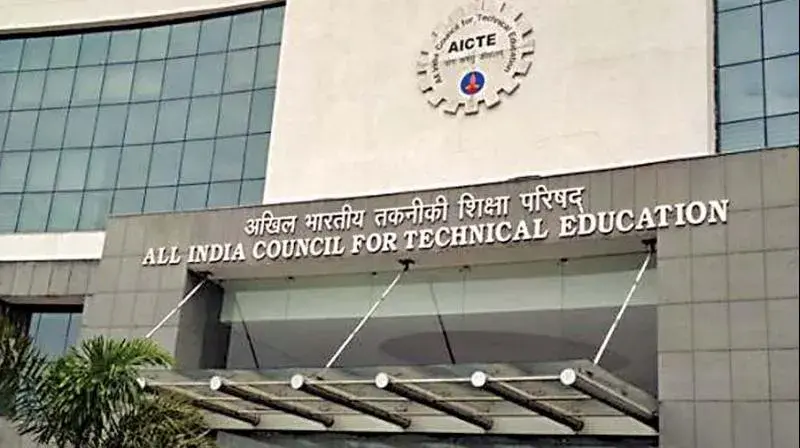
The All India Council for Technical Education (AICTE) has introduced a modified academic schedule for the 2023-24 academic session. As per the newly announced calendar for technical and professional education, the deadline for first-year student admissions into vacant seats at technical institutions has been extended to October 30. Additionally, the last date for lateral entry admissions into second-year courses for newly enrolled students is also October 30. Furthermore, the cutoff date for universities or boards to grant affiliation to technical institutes is also October 30. Nevertheless, institutions offering online and open-distance learning (ODL) programs will adhere to the University Grants Commission (UGC) guidelines for approval and course admissions in the first and second sessions. The updated academic calendar is available on the official AICTE website, aicte-india.org. The AICTE made these adjustments in response to a Supreme Court order dated October 13, 2023. Consequently, the deadline for admissions into all AICTE-approved institutions and affiliation with universities has been extended to October 30, 2023. Previously, the deadline for admitting first-year students to institutions was set for September 15, and the affiliation grant deadline was July 31. It’s important to note that these revisions do not apply to standalone PGDM and PGCM institutions.

AICTE Extends Admission Deadlines for 2023-24 Academic Session Read More »

69th National Film Awards 2023: Celebrating Excellence in Indian Cinema

Article on MEA

The 69th National Film Awards, a prestigious event in the Indian film industry, took place at the grand Vigyan Bhawan in Delhi. This annual ceremony, established by the Indian government in 1954, is designed to honour and promote the diverse world of Indian cinema, showcasing the best of regional and national talent. The President of India plays a crucial role in presenting these esteemed awards, followed by the launch of the National Film Festival, where the award-winning films are screened for enthusiasts and cinephiles. These awards hold a special place in the hearts of filmmakers, actors, and audiences alike, recognizing the art and culture of India through the lens of the cinema. The National Film Awards are unique in that they not only honour the best of Indian cinema as a whole but also commend exceptional contributions in various regional languages and regions. It’s a platform that celebrates not only the glitz and glamour of mainstream Bollywood but also the nuanced storytelling of regional cinema. A Star-Studded Affair This year’s awards ceremony was a star-studded affair with luminaries such as Alia Bhatt, Kriti Sanon, and Allu Arjun being recognized for their exemplary contributions to the film industry. Each category had its own set of talented nominees, and the final decisions were made by a national panel appointed by the government. Here is a list of some of the notable winners for the 69th National Film Awards: Best Feature Film: “Rocketry” Best Director: Nikhil Mahajan for “Godavari” Nargis Dutt Award for Best Feature Film on National Integration: “The Kashmir Files” Best Actor: Allu Arjun for “Pushpa” Best Popular Film Providing Wholesome Entertainment: “RRR” Best Actress: Alia Bhatt for “Gangubai Kathiawadi” and Kriti Sanon for “Mimi” Best Supporting Actor: Pankaj Tripathi for “Mimi” Best Supporting Actress: Pallavi Joshi for “The Kashmir Files” Best Child Artist: Bhavin Rabari for “Chhello Show” Best Music Direction (Background Music): MM Keeravaani for “RRR” Best Music Director (Songs): Devi Sri Prasad for “Pushpa” Best Screenplay (Adapted): Sanjay Leela Bhansali and Utkarshini Vashishtha for “Gangubai Kathiawadi” Best Screenplay (Original): Shahi Kabir for “Nayattu” Best Cinematography: Avik Mukhopadhayay for “Sardar Udham” Best Choreography: Prem Rakshith for “RRR” Best Audiography: Sinoy Joseph for “Sardar Udham” Best Special Effects: Srinivas Mohan for “RRR” The list of winners showcases the diversity and talent that Indian cinema has to offer. From heart-wrenching dramas to high-octane action, and from soulful melodies to breathtaking choreography, the National Film Awards recognize it all. Also Read: 69th National Film Awards 2023: Complete Winners List; Rocketry, Alia Bhatt, Kriti Sanon, and Allu Arjun Emerge as Big Winners in Diverse Categories A Celebration of Regional Cinema The National Film Awards also shine a spotlight on regional cinema, acknowledging the exceptional storytelling and filmmaking that occurs across India’s diverse linguistic landscape. From Best Malayalam Film “Home” to Best Bengali Film “Kalkokkho,” these awards serve as a reminder that India’s cinematic treasure is vast and multifaceted. The awards also acknowledge and celebrate the talent working behind the scenes, with categories like Best Makeup, Best Editing, and Best Costume Design being an integral part of the recognition process. An Industry Uniting The National Film Awards are not just a celebration of cinema but also a uniting force for the Indian film industry. It brings together artists, technicians, and filmmakers from various regions, languages, and cultures. This platform encourages the exchange of ideas, fosters collaborations, and elevates Indian cinema to global standards. The 69th National Film Awards were indeed a celebration of excellence in Indian cinema, recognizing the passion, dedication, and creativity of the people who bring stories to life on the silver screen. The awards not only honour the winners but also inspire a new generation of filmmakers and actors to aspire to greater heights. As we look forward to another year of exceptional Indian cinema, the National Film Awards will continue to be a beacon of recognition and appreciation for the industry’s finest talents.

69th National Film Awards 2023: Celebrating Excellence in Indian Cinema Read More »

Harmony at Work: The Vital Role of HR in Conflict Resolution and Mediation

Article on HR

In any workplace, conflicts are inevitable. However, how they are managed can make all the difference between a harmonious work environment and one fraught with tension. Human Resources (HR) professionals play a pivotal role in resolving conflicts and maintaining a peaceful atmosphere in the workplace. In this article, we will delve into the essential role of HR in conflict resolution and mediation and discuss key strategies to keep the peace. The Role of HR in Conflict Resolution: Conflict Identification and Assessment The first step in HR’s conflict resolution process is to identify and assess conflicts. HR professionals are trained to recognize various types of conflicts, whether they are interpersonal, team-based, or stemming from issues related to policies and procedures. By understanding the nature of the conflict, HR can develop an appropriate plan for resolution. Providing a Safe Space for Dialogue HR acts as a neutral party where employees can express their concerns without fear of retaliation. This safe space allows both parties to air their grievances, fostering open and honest communication that is crucial for resolving conflicts. Also Read: Workplace Diversity and Inclusion: Building a Diverse and Equitable Organization   Mediation and Facilitation In cases where conflicts involve individuals or teams, HR often serves as a mediator or facilitator. They guide the parties involved in a constructive dialogue, helping them identify the root causes of the conflict and work towards a mutually acceptable solution. Policy and Procedure Adherence HR ensures that the organization’s conflict resolution policies and procedures are followed consistently. This helps maintain fairness and transparency in the process and ensures that all employees are treated equitably. Coaching and Training HR professionals provide guidance to employees on effective conflict resolution strategies. This may include communication skills training, stress management techniques, and methods for dealing with difficult personalities. By empowering employees with these tools, HR can help prevent conflicts from escalating. Also Read: Cricket’s Olympic Re-entry to Reshape the Sporting Landscape Maintaining a Harmonious Work Environment Beyond resolving conflicts, HR plays a vital role in fostering a harmonious work environment. Here are some strategies that HR can employ: Proactive Conflict Prevention HR can proactively identify potential sources of conflict and address them before they escalate. This might involve revising policies, improving communication, or offering conflict resolution workshops to employees. Employee Engagement Engaged employees are less likely to engage in conflicts. HR can work to create a positive work culture that encourages employee engagement through recognition programs, career development opportunities, and a focus on work-life balance. Diversity and Inclusion HR can promote diversity and inclusion in the workplace, which not only helps prevent conflicts related to discrimination but also fosters a more tolerant and understanding work environment. Effective Communication HR can facilitate communication at all levels of the organization, ensuring that messages are clear, and feedback mechanisms are in place. This prevents misunderstandings and reduces the likelihood of conflicts arising due to miscommunication. Also Read: Nobel Prize Winners 2023: Celebrating Excellence in Science, Literature, and Peace Conclusion In conclusion, HR professionals are the peacekeepers of the workplace. Their role in conflict resolution and mediation is crucial for maintaining a harmonious work environment. By identifying, addressing, and preventing conflicts, HR contributes to a positive workplace culture, increased employee satisfaction, and overall organizational success. When HR does its job effectively, employees can focus on what they do best, without the distraction of ongoing disputes, leading to a more productive and collaborative work environment. The author, Pratik Ghosh is associated with ArdorComm Media

Harmony at Work: The Vital Role of HR in Conflict Resolution and Mediation Read More »

Apollo Hospitals Opens Specialized Healthcare Hub in New Delhi for Premium Medical Services

News on Health

Apollo Health and Lifestyle Limited, a subsidiary of the Apollo Hospitals Group, has inaugurated a new specialized hospital in New Delhi. The grand opening ceremony was led by Dr. Sangita Reddy, the Joint Managing Director of the Apollo Hospitals Group. Dr. Reddy, accompanied by renowned actors Neha Dhupia and Angad Bedi, officiated the ribbon-cutting event for this premium hospital. This hospital, situated in Chirag Enclave, offers two distinct facilities: Apollo Spectra, which is India’s largest network of short-stay surgical centers, specializing in planned and day-care surgical services, and Apollo Cradle Royale, a luxurious dedicated facility for women’s health, maternity, childbirth, and paediatric care, ensuring comprehensive support for all their healthcare needs. Dr Sangita Reddy, Joint Managing Director, Apollo Hospitals Group, said, “At our Chirag Enclave facility, we bring together a world-class team of specialists, state-of-the-art technology, and a broad spectrum of services to cater to your unique healthcare needs. From cutting-edge surgical care to luxurious birthing options, gynaecology, fetal medicine, Level III NICU, e-NICU, advanced maternal diagnostics, 24*7 blood storage for high-risk pregnancy, dental spa, physiotherapy, audiometry, and pharmacy services, we cover your health journey comprehensively.” Operating as part of the Apollo Spectra Hospitals network, this advanced medical center offers a broad spectrum of services, including orthopedic and spinal care, general and minimally invasive surgery, ear, nose, and throat treatments, gastroenterology, weight loss surgery, urology, geriatric care, and various other medical specialties. It also serves as a comprehensive healthcare hub, offering preventive services, outpatient and inpatient care, medical management, and specialist consultations. The hospital specializes in cosmetic procedures like rhinoplasty and beauty-enhancement treatments, offers holistic weight loss programs that encompass both surgical and non-surgical options, and provides top-tier urological treatments for issues such as urethral problems and kidney stones. Furthermore, it excels in endoscopic spine surgery, hand, foot, and ankle surgeries, as well as the treatment of sports-related injuries. In the field of ear, nose, and throat care, it is well-prepared to handle complex cases, including cochlear implants, head and neck oncology, sinus-related issues, and surgeries related to sleep disorders, including laser-assisted procedures. To further enhance patient care, the hospital plans to introduce state-of-the-art robotic surgeries in the orthopedic field. It boasts modern medical facilities, including advanced operating theaters and an intensive care unit equipped with e-ICU or Tele ICU capabilities, facilitating seamless communication with the Apollo headquarters command center in Hyderabad.

Apollo Hospitals Opens Specialized Healthcare Hub in New Delhi for Premium Medical Services Read More »

NHAI Unveils Enhanced AI-Powered ATMS for Improved Road Safety and Digital Enforcement on Indian Highways

News on Gov

The National Highways Authority of India (NHAI) has introduced an updated policy to enhance road safety and reduce response times to incidents on the nation’s highways and expressways. This initiative leverages the latest advancements in artificial intelligence (AI) technology and focuses on digital enforcement of traffic regulations. As part of these improvements, the previous VIDS cameras are being replaced with the newly developed Video Incident Detection and Enforcement System (VIDES). VIDES is equipped to identify 14 distinct incidents, including violations such as triple riding, not wearing helmets or seatbelts, driving in the wrong lane or direction, the presence of animals on the road, and pedestrian crossings. Depending on the detected incident, VIDES will trigger responses such as notifying route patrol vehicles or ambulances, generating electronic traffic violation fines (e-challans), relaying alerts to nearby Variable Messaging Boards, or sending notifications through the ‘Rajmargyatra’ mobile app to nearby travelers. To ensure comprehensive coverage, these cameras will be installed approximately every 10 kilometers along the national highways, with advanced Command & Control Centers every 100 kilometers that integrate feeds from various cameras. The Vehicle Speed Detection System (VSDS) is now integrated into VIDES, optimizing the use of Automatic Number Plate Recognition (ANPR) cameras. Additionally, the Traffic Monitoring Camera System (TMCS) positioned every 1 kilometer on the national highways is being enhanced with capabilities such as automated accident detection and identifying stalled vehicles. NHAI is strengthening collaboration with local traffic agencies by providing dedicated workstations for traffic police representatives in the Command & Control Centers, facilitating real-time coordination and response through network sharing of camera feeds. The deployment of Advanced Traffic Management System (ATMS) is expected to contribute to disaster management by offering valuable input for effective planning and implementation. It will also enable the online sharing of highway status and other crucial information, benefiting both the agencies and highway users. The policy also includes provisions for developing integrated utility corridors along the national highways to establish Optic Fiber Cables (OFC) infrastructure. While the ATMS equipment will initially use OFC for communication with the Command & Control Centers, the policy also anticipates future integration of 5G-based communication tools as 5G coverage expands.

NHAI Unveils Enhanced AI-Powered ATMS for Improved Road Safety and Digital Enforcement on Indian Highways Read More »

Supreetha Gonsalves, AVP Growth at ExtraaEdge, Highlights the Comprehensive Features and Industry Expertise of Their CRM Software

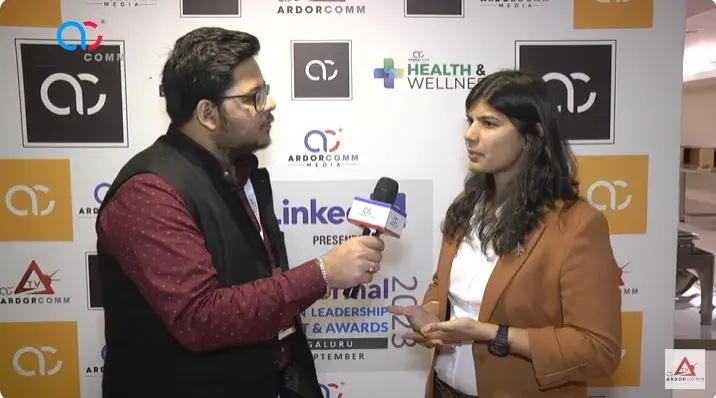
“We help digitize the entire process, centralizing leads and automating various procedures,” says Supreetha Gonsalves, AVP Growth at ExtraaEdge, in an interview with Pratik Ghosh, Content Writer, ArdorComm Media at the ‘New Normal – Education Leadership Summit & Awards 2023’ #ELSABengaluru #ELSAKarnataka How are you feeling to witness the New Normal Education Leadership Summit and Awards in Bengaluru? I think the setup that you’ve been able to put up here is fantastic. I got to interact with a lot of industry experts, Vice Chancellors. I really like the panel and the topics that have been discussed today. I think the digital space, the colleges, institutions moving from after COVID from a digital tour back to the physical setup – I think this has also seen a different kind of transformation as the way COVID brought the digital. I think it’s fantastic. I really look forward to more of participating in more of the events that you put together. What is ExtraaEdge offering for the education sector? So, we at ExtraaEdge, we are a CRM Software. We cater to the inquiry-to-admission journey. The software is primarily meant for communication, marketing automation. We have a digital application, a chatbot on the website, and we’ve also brought in WhatsApp. WhatsApp has become a part of the admission journey for students, where you can send across communication, intimations, the last date of application, and other important messages to the student over WhatsApp itself. What is the mission and vision for ExtraaEdge? At ExtraaEdge, we’ve set a mission to be the most preferred CRM software by educational institutions globally. With this mission, we want to make sure that we touch every counsellor, every admission officer, and create a beautiful experience for the students who are seeking admission at the college. What’s the USB at ExtraaEdge? I would say the first one is high customization. We can be built according to how institutions want it to be because no two institutions are alike. They have different challenges and audiences. The second is industry expertise as we work with 350 institutions globally. The third is the simplicity of the product, making the lives of counsellors and management easier. We offer an extensive array of features, including innovative tools such as WhatsApp and a built-in chatbot. Our product also includes live chat for websites, an application form system, and a two-way communication platform. Our mobile app enhances mobility and streamlines the application process. These features have been developed and refined over the last six to seven years. For universities like Dayananda Sagar University, we provide an outreach app that tracks the activities of the outreach team, including the number of meetings conducted. We have also partnered with institutions like Narayana Group of Schools and Allen, which are known for their large student populations. We help digitize the entire process, centralizing leads and automating various procedures. Our clients prefer us because we offer dedicated support, comprehensive training for counsellors, and valuable industry insights to help them succeed. Any message or wishes for ArdorComm Media Group on its second anniversary? I love the fact that you have a very young and enthusiastic team that takes care of the small things. People-centricity is something that will take you a long way. Stay like this, engage with the industry, and we really look forward to more events together.

Supreetha Gonsalves, AVP Growth at ExtraaEdge, Highlights the Comprehensive Features and Industry Expertise of Their CRM Software Read More »

Prof. R. Janardhan, Pro Vice Chancellor, Dayananda Sagar University, Shares his Experience of Attending New Normal ELSA Bengaluru

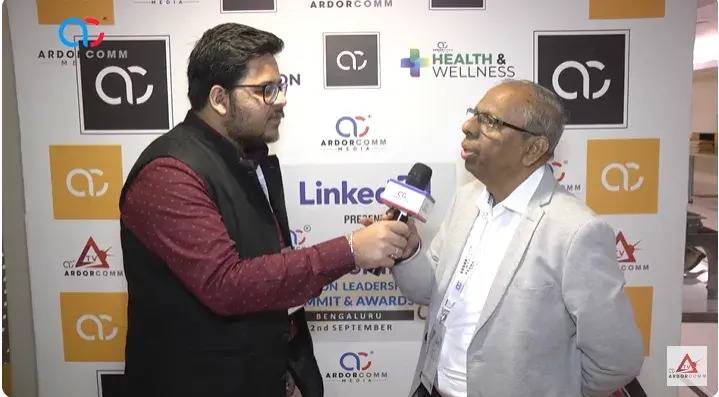
“People do agree, some disagree, but ultimately there is good discussion, which I feel is the very objective of people coming together,” says Prof. R. Janardhan, Pro Vice Chancellor, Dayananda Sagar University, in an interview with Pratik Ghosh, Content Writer, ArdorComm Media at the ‘New Normal – Education Leadership Summit & Awards 2023’ #ELSABengaluru #ELSAKarnataka How are you feeling to witness this New Normal Education Leadership Summit and Awards in Bangalore? I’ve been associated with ArdorComm Media Group right from its inception, I suppose. I’ve participated in quite a few of your events, and I’m happy that education leaders from all over the country come once in a while and discuss a lot of serious topics which are very relevant to the education industry and to leadership. There’s a lot of frank exchange of points of view. People do agree, some disagree, but ultimately there is good discussion, which I feel is the very objective of people coming together. Knowledgeable people obviously do not simply agree on a certain point of view, and that’s the whole point of conventions and events that you people have been organizing. I wish good luck to whatever you intend to do in the future. Great work so far and good wishes to you in the future. In these kinds of forums where we bring in education leaders, edtech players, as well as the government, how does this kind of forum benefit the education sector at large? One benefit is that it offers networking to academic campus leaders across streams and levels. There is a lot of diversity within the campus, where you find different types of specialists. You are bringing people from various campuses with different specializations and asking them to speak on and think about burning issues within a certain domain of knowledge, which is relevant to the community for today and tomorrow. So, that’s one great contribution which you’ve been doing, and you should continue to pursue that path. Any message for ArdorComm Media Group on its second anniversary? Yeah, you all are young people, you’re vibrant, and it’s good teamwork that I see here. So, that is something that makes organizations successful.

Prof. R. Janardhan, Pro Vice Chancellor, Dayananda Sagar University, Shares his Experience of Attending New Normal ELSA Bengaluru Read More »