ArdorComm Media Group

Friday, April 24, 2026 10:33 AM

community

Rethinking Curriculum and Pedagogy to Reflect the Accelerated Use of Technology

Blog on Edu

In today’s fast-paced, technology-driven world, the integration of technology in education has become essential. As technology continues to evolve and shape our society, it is crucial to rethink curriculum and pedagogy to keep pace with the accelerated use of technology. This blog explores the significance of incorporating technology into education, the benefits it offers, and how curriculum and pedagogy can be redesigned to effectively leverage technology for enhanced learning outcomes. The Changing Educational Landscape: The advent of technology has revolutionized various aspects of our lives, including education. Traditional methods of teaching and learning are being challenged by the opportunities presented through digital tools, online resources, and interactive learning platforms. Students today are digital natives, accustomed to accessing information at their fingertips. Therefore, it becomes imperative to adapt educational practices to align with their expectations and needs. Benefits of Integrating Technology in Education: Personalized Learning: Technology enables educators to tailor learning experiences to individual student needs, fostering personalized learning pathways. Adaptive learning platforms, intelligent tutoring systems, and data analytics allow educators to provide targeted support and customized content to meet the diverse learning requirements of students. Enhanced Engagement: Incorporating technology in the curriculum can significantly enhance student engagement. Interactive multimedia resources, gamification, virtual and augmented reality experiences, and collaborative online platforms create an immersive and dynamic learning environment that captures students’ attention and stimulates their curiosity. Access to Global Knowledge: The internet provides an abundance of educational resources from around the world. With technology integration, students gain access to a vast array of information, diverse perspectives, and global collaborations, expanding their understanding of different cultures, ideas, and subjects. Real-World Connections: Technology enables students to connect their learning to real-world applications. By incorporating simulations, virtual experiments, and case studies, students can bridge the gap between theoretical concepts and practical experiences, fostering critical thinking and problem-solving skills. Also Read: ArdorComm ‘New Normal – Education Leadership Summit & Awards 2023’ #ELSANewDelhi #ELSAGurugram to be held at Gurugram, Delhi NCR on 21st & 22nd July 2023 Redesigning Curriculum: To reflect the accelerated use of technology, curriculum redesign is crucial. Here are some key considerations: Digital Literacy: Integrate digital literacy as a core component of the curriculum. Students should develop skills such as information literacy, media literacy, online collaboration, digital citizenship, and data analysis to navigate the digital world responsibly. Computational Thinking: Emphasize computational thinking skills, which include problem decomposition, algorithmic thinking, pattern recognition, and abstraction. These skills enable students to approach complex problems logically and systematically, preparing them for future careers in a technology-driven world. Interdisciplinary Approaches: Technology can be seamlessly integrated into various subjects, transcending traditional disciplinary boundaries. Encourage interdisciplinary projects and collaborations, where students can explore the intersection of technology with subjects like science, arts, humanities, and social sciences. Also Read: Tech-Driven Education: The Rise of E-Learning in the Digital Age Pedagogical Shifts: To harness the potential of technology, pedagogy must adapt as well. Here are some pedagogical shifts to consider: Student-Centred Learning: Move towards student-centred approaches, where educators act as facilitators and students take an active role in their learning. Technology can empower students to engage in self-directed learning, exploration, and inquiry-based activities. Collaborative Learning: Foster collaborative learning experiences by leveraging technology. Online discussion forums, virtual group projects, and collaborative document editing platforms can enable students to collaborate beyond physical boundaries, fostering teamwork and communication skills. Continuous Assessment: Leverage technology for formative and continuous assessment practices. Online quizzes, automated grading systems, and data analytics can provide instant feedback to students, allowing educators to monitor progress and tailor instruction accordingly. Also Read: Importance of Early Childhood Education: Setting the Foundation for Future Success Conclusion: As technology continues to reshape our world, it is essential to rethink curriculum and pedagogy to reflect its accelerated use. Integrating technology into education offers numerous benefits, including personalized learning, enhanced engagement, access to global knowledge, and real-world connections. By redesigning the curriculum to include digital literacy and computational thinking, and adopting student-centred and collaborative pedagogical approaches, we can effectively leverage technology to empower learners, preparing them for success in the digital age. Embracing this transformation will not only enhance learning outcomes but also equip students with the skills and competencies required to thrive in the rapidly evolving technological landscape. The author, Pratik Ghosh is associated with ArdorComm Media Top of Form  

Rethinking Curriculum and Pedagogy to Reflect the Accelerated Use of Technology Read More »

Lloyds Bank to Establish New Technology Centre in Hyderabad, Creating 600 High-Tech Jobs

Lloyds Banking Group, a UK-based financial institution, has announced its plans to establish a new technology centre in Hyderabad, India, as part of its £3 billion investment strategy aimed at digital transformation. The bank intends to hire around 600 skilled professionals specializing in technology, data, and cyber security roles initially, with a focus on enhancing customer experience and strengthening its technical capabilities. Ron van Kemenade, the Group Chief Operating Officer, emphasized the significance of this investment in Hyderabad’s technology landscape, acknowledging India’s emergence as a hub for technological innovation. Leveraging this trend, Lloyds aims to meet evolving customer needs and support long-term growth strategies. The Lloyds Technology Centre in Hyderabad will become home to 600 specialists in technology, data, and cyber security by the end of 2023. The facility will primarily focus on building internal technical capabilities to improve the customer experience. Kemenade expressed excitement about the company’s technology transformation and highlighted the abundance of opportunities in Hyderabad, given the city’s talented engineers and impressive technology ecosystem. He also emphasized Lloyds’ commitment to contributing to the local job market as it expands its presence in the region. Recruitment efforts are currently underway for the leadership team, and broader recruitment plans are being developed in preparation for the opening of the technology centre later this year.

Lloyds Bank to Establish New Technology Centre in Hyderabad, Creating 600 High-Tech Jobs Read More »

WHO Prepares for Increased Spread of Viral Diseases Due to El Nino Phenomenon

The Director-General of the World Health Organization (WHO), Tedros Adhanom Ghebreyesus, announced on Wednesday that the organization is getting ready for a rise in the spread of viral diseases such as dengue, Zika, and chikungunya, which are associated with the El Nino weather phenomenon. El Nino, characterized by higher water surface temperatures in the eastern and central Pacific Ocean, has recently returned after three years of the La Nina climate pattern. This resurgence is expected to bring extreme weather conditions later this year, including tropical cyclones heading towards vulnerable Pacific islands, heavy rainfall in South America, and drought in parts of Australia and Asia. Ghebreyesus stated that the WHO is preparing for a high probability of an El Nino event in 2023 and 2024, which could lead to increased transmission of dengue and other arboviruses such as Zika and chikungunya. He also warned about the impact of climate change on mosquito breeding and highlighted the significant rise in dengue cases, particularly in the Americas, over the past few decades. This year, Peru has declared a state of emergency in most regions due to a surge in dengue cases, leading to the resignation of its health minister, Rosa Gutierrez. Dengue is transmitted through mosquito bites from the Aedes aegypti species and manifests symptoms such as fever, headache, muscle and joint pain, nausea, vomiting, and fatigue.

WHO Prepares for Increased Spread of Viral Diseases Due to El Nino Phenomenon Read More »

PM Modi Urges Global Collaboration to Harness AI and Technology in Education

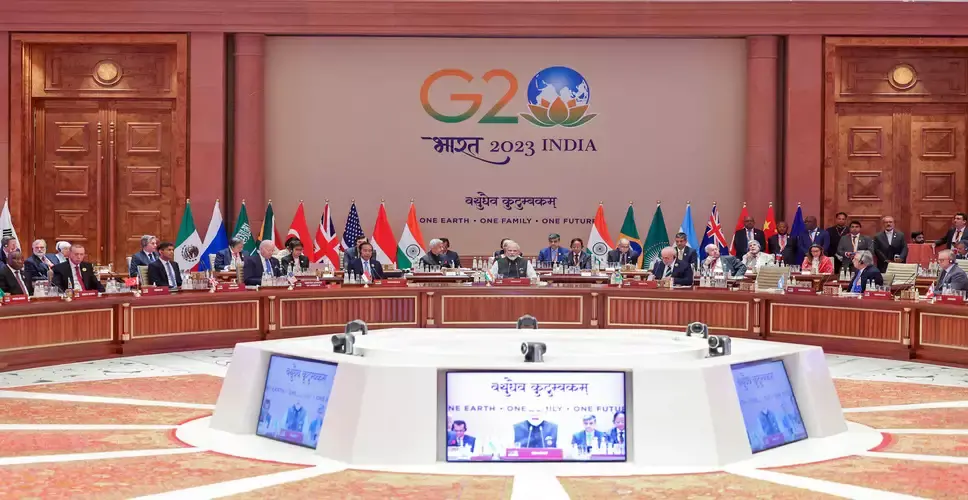
During the G20 education ministers’ meeting in Pune, Prime Minister Narendra Modi emphasized the potential of Artificial Intelligence (AI) in education while acknowledging the associated challenges. In a recorded message, PM Modi urged G20 nations to collaborate and harness technology for the advancement of global education. The meeting served as a platform for accepting outcome documents that outline a roadmap for inclusive and high-quality education worldwide. The education working group, which met in Chennai, Amritsar, Bhubaneshwar, and Pune, focused on addressing global challenges through inclusive solutions and collective actions. Their key priorities included foundational literacy and numeracy, tech-enabled learning that promotes inclusivity and quality, capacity building for future job requirements, and fostering research and innovation through collaboration and partnerships. PM Modi highlighted digital technology as an “equalizer” that promotes inclusivity and expands access to education, emphasizing its role in adapting to future needs. He discussed the importance of integrating technology into learning to enhance the e-learning experience. PM Modi praised the Study Webs of Active-learning for Young Aspiring Minds (SWAYAM), an e-learning portal offering remote access to courses from esteemed institutions. SWAYAM has achieved significant enrollment numbers, providing a wide range of courses from the 9th grade to postgraduate level. Additionally, PM Modi proposed that G20 countries undertake international skill mapping to identify and address gaps. He stressed the need for continuous skill development, re-skilling, and up-skilling of youth to prepare them for the future and align their competencies with evolving work profiles and practices. India is already engaged in skill mapping, and PM Modi encouraged other G20 nations to follow suit. The G20 education ministers’ meeting focused on collaborative efforts to tackle global education challenges and leverage technology, including AI, for the betterment of education worldwide.  

PM Modi Urges Global Collaboration to Harness AI and Technology in Education Read More »

Uber Cuts 200 Jobs in Recruitment Division to Streamline Operations and Reduce Costs

Uber Technologies has announced plans to lay off 200 employees from its recruitment division as part of its efforts to maintain a stable workforce and streamline costs. This reduction represents less than 1% of Uber’s global staff, which currently stands at 32,700 employees. The company had previously laid off 150 employees from its freight services division earlier this year. The latest cuts specifically target 35% of Uber’s recruiting team, as reported by the Wall Street Journal. During the onset of the pandemic in mid-2020, Uber had reduced its workforce by 17%. However, compared to its chief rival Lyft, Uber has implemented smaller-scale cuts in recent months. Lyft, led by new CEO David Risher, had previously let go of approximately 26% of its workforce in April and around 700 employees late last year. These measures were taken in an attempt to safeguard profit margins and compete with Uber, which holds a larger market share. Uber had previously stated its intention to achieve operating income profitability in the current year and maintain a steady headcount, following a sequential decline in employee numbers in the first quarter of this year.

Uber Cuts 200 Jobs in Recruitment Division to Streamline Operations and Reduce Costs Read More »

Iconic Advertiser Sylvester daCunha, Creator of Amul Girl, Passes Away at 92

Sylvester daCunha, the visionary behind the iconic Amul Girl campaign, has passed away. DaCunha, along with his art director Eustace Fernandes, created the famous campaign in 1966 when he was the Managing Director of advertising agency ASP. He transformed the image of the Amul butter brand by introducing the lively and relatable Amul Girl, aiming to capture the hearts of Indian housewives. The Amul campaign, known for its witty and timely advertisements, celebrated its 50th anniversary in 2016. The news of daCunha’s demise has deeply saddened the advertising industry, as he was highly respected and regarded as a legend in Indian advertising. Tributes poured in from various personalities, including Pavan Singh, General Manager-Marketing at Amul India, who expressed his condolences in a social media post. Jayen Mehta, MD of Amul, shared the news of daCunha’s passing and highlighted his significant contributions to the company since the 1960s. Very sorry to inform about the sad demise of Shri Sylvester daCunha, Chairman of daCunha Communications last night at Mumbai A doyen of Indian advertising industry who was associated with Amul since 1960s. The Amul family joins in mourning this sad loss @RahuldaCunha ॐ Shanti 🙏 pic.twitter.com/cuac1K6FSo — Jayen Mehta (@Jayen_Mehta) June 21, 2023 RS Sodhi, former Chief of Amul, expressed grief on Twitter with a heartfelt picture. pic.twitter.com/79khUtFWI5 — R S Sodhi (@Rssamul) June 21, 2023 Air India, in a tweet, paid tribute to daCunha’s visionary mind that brought the charming Amul Girl to life, inspiring generations with creativity and storytelling. We pay a tribute to Sylvester daCunha, the visionary mind who brought the charming Amul Girl to life. Capturing the hearts of millions, his brilliance will continue to inspire generations to come, reminding us of the power of creativity and storytelling. May his soul rest in… — Air India (@airindia) June 22, 2023 Anil Agarwal, Chairman of Vedanta Group, recognized daCunha’s influence on Indian households, referring to the Amul Girl as a beloved part of childhood memories. in almost every indian household you will find our beloved amul girl..a big part of our utterly butterly delicious childhood memories sad to hear about the demise of sylvester dacunha – the man who gave India her favorite cartoon 👧🏻 om shanti 🙏🏽 pic.twitter.com/hB5GFVYd93 — Anil Agarwal (@AnilAgarwal_Ved) June 22, 2023 Congress MP Shashi Tharoor also mourned the loss, recalling his father’s association with daCunha on the Advertising Club’s magazine. Saddened by the passing of Amul’s ‘UtterlyButterly’ campaign creator Sylvester daCunha. He was a good friend of my father & they worked together on the Advertising Club’s magazine “Solus”, for which Dad wrote a pseudonymous column. An era has passed. RIP https://t.co/NvuMPyiLzJ — Shashi Tharoor (@ShashiTharoor) June 21, 2023 The passing of Sylvester daCunha marks the end of an era, but his legacy and the enduring charm of the Amul Girl will continue to resonate with people across generations.  

Iconic Advertiser Sylvester daCunha, Creator of Amul Girl, Passes Away at 92 Read More »

CBSE Poised to Become an International Board, Says Union Education Minister Dharmendra Pradhan

Union Education Minister Dharmendra Pradhan has expressed that the Central Board of Secondary Education (CBSE) has the potential to become an international board, particularly in the Global South, given its popularity in the region. He mentioned that CBSE schools in Singapore and Japan have garnered significant interest, with their teaching methods, particularly in mathematics, being highly sought after. Pradhan stated that the plan to establish CBSE as an international board had lost momentum in the past but is now gaining traction. In addition, Pradhan informed reporters at the G20 4th Working Group Meeting for education that the University Grants Commission (UGC) is in the process of finalizing norms to allow foreign universities to establish campuses in India, aligning with the National Education Policy (NEP). He hinted at forthcoming announcements regarding Indian universities opening campuses abroad. Pradhan emphasized that India’s NEP is receiving close attention globally and could serve as a model for emerging economies. He praised the policy’s emphasis on experiential learning, which fosters a new generation of entrepreneurs. The Minister also highlighted the integration of technology-based interventions to assist students preparing for competitive examinations such as IITJEE and NEET. Regarding budgetary allocation for education, Pradhan acknowledged that India currently spends 4% of its GDP on education, falling short of the NEP’s target of 6%. He acknowledged the constraints of resources but reaffirmed the government’s commitment to increasing funding for education.

CBSE Poised to Become an International Board, Says Union Education Minister Dharmendra Pradhan Read More »

Amit Agrawal Appointed as CEO of UIDAI

Amit Agrawal has taken on the role of Chief Executive Officer (CEO) at the Unique Identification Authority of India (UIDAI). Starting his tenure on Monday, Agrawal, a 1993 batch IAS officer from the Chhattisgarh cadre, brings with him a wealth of experience. Having graduated from the Indian Institute of Technology, Kanpur, he has held various significant positions at both the central and state levels, including Chhattisgarh and Madhya Pradesh. Before assuming the position of UIDAI CEO, he served as Additional Secretary at the Ministry of Electronics and Information Technology (MeitY). Prior to that, he held the positions of Additional Secretary and Joint Secretary at the Ministry of Finance. Agrawal has also served as the Finance Secretary and Secretary in charge of departments such as Commercial Tax and Technical Education in the Chhattisgarh State Government.

Amit Agrawal Appointed as CEO of UIDAI Read More »

Government Mobilizes Team to Combat Rising Heatwave Hospitalizations in Affected States

In response to the alarming rise in heatwave-related hospitalizations across several states, Health Minister Mansukh Mandaviya led a high-level meeting to assess the country’s preparedness. Mandaviya announced the deployment of a five-member team comprising senior officials from the Health Ministry and the Indian Meteorological Department (IMD) to visit the states most severely affected by the scorching heatwave. The Indian Council of Medical Research (ICMR) has also been instructed to propose measures to mitigate the adverse impact of the heatwave. Mandaviya emphasized the need for comprehensive arrangements at all levels to safeguard lives and prevent heatstroke fatalities. A virtual meeting with the health ministers of the affected states will also be conducted to address the soaring temperatures and its health implications. The Indian Meteorological Department has forecasted severe to very severe heatwave conditions in various regions, including Uttar Pradesh, Bihar, Haryana, Tamil Nadu, Madhya Pradesh, Jharkhand, Vidarbha, Odisha, West Bengal, Andhra Pradesh, and Telangana, among others. A heatwave is characterized by unusually high temperatures exceeding the normal maximum temperature during the summer season, as defined by the National Disaster Management Authority. Typically occurring between March and June, heatwaves can occasionally extend into July.

Government Mobilizes Team to Combat Rising Heatwave Hospitalizations in Affected States Read More »

IndiGo Makes Aviation History with Record-Breaking Order of 500 Airbus Planes

IndiGo, the largest airline in India, has made history with its latest aircraft order from Airbus. The airline announced its purchase of 500 A320 planes, marking the largest order ever in commercial aviation. The deal solidifies the already strong relationship between IndiGo and Airbus, as the airline has previously ordered a staggering total of 1,330 aircraft from the manufacturer since its establishment in 2006. IndiGo emphasized the fuel efficiency and cost-saving benefits of the A320NEO Family aircraft. By prioritizing these factors, the airline aims to continue lowering its operating costs while maintaining high reliability standards. The significance of this historic order is not lost on IndiGo’s CEO, Pieter Elbers, who highlighted the order’s contribution to India’s economic growth, social cohesion, and mobility. Currently operating a fleet of over 300 aircraft, IndiGo already has 480 aircraft on order, scheduled for delivery by the end of the decade. With this latest order of 500 additional aircraft set to be delivered between 2030 and 2035, IndiGo’s order book now approaches almost 1,000 planes, ensuring its growth well into the next decade. The order consists of a combination of A320NEO, A321NEO, and A321XLR models, further solidifying IndiGo’s confidence in the A320 Family and its strategic partnership with Airbus.

IndiGo Makes Aviation History with Record-Breaking Order of 500 Airbus Planes Read More »