ArdorComm Media Group

Tuesday, July 28, 2026 8:45 AM

community

Arvind Mahajan, Chairman & MD, Spring Dales English School, Kathua, shares insights on nurturing skills, values, and future-ready students in J&K
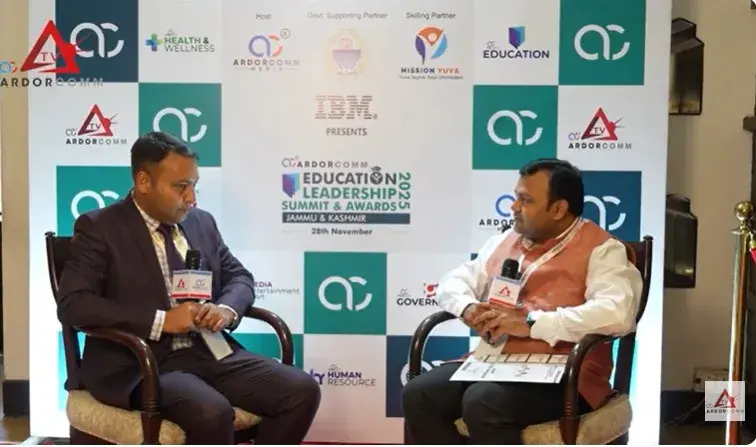
We have with us Mr. Arvind Mahajan. He’s the Chairman and MD of Spring Dales English School, Kathua. We welcome you to today’s event. Thank you. It is a privilege. We would like to know more about your school. Our school, Springdale’s English School, is an ATL school funded by NITI Aayog, and we started in 1991. It was started by my mother and father, who is a retired government HOD of Physics and Computer Science from Government Degree College, Kathua. It started in ’91 with a very humble beginning of 11 students. Today, we are proud to say that we are a community of 1,100 students with excellent academic achievements and state-of-the-art facilities to engage students and help them grow value-wise. We are talking so much about technology and digitalization in events and daily life. What initiatives has your school taken in this regard? Technology-wise, we are very cautious about its use for students because we feel personal touch is more important. If a teacher relies too much on software for grading, they may not remember the students’ names or their progress. In our school, every student is precious. Each teacher knows every student’s name, their strengths, weaknesses, and what is going on in their life. The advantage of technology can sometimes dilute this personal connection. However, for certain processes like fee collection, we use systems to maintain accuracy. In higher classes, we have adopted integrated flat panels from ExtraMarks for smart classes. But when it comes to ERP implementation, we are cautious about bypassing the emotional touch of a teacher with technology. What role does skill-based learning play in your institution, and from which standard do you implement it? We are doing skill-based education right from the first class. Even our kindergarten students engage in activities like fireless cooking. They also participate in poem recitation competitions and various creative initiatives. During Diwali, they do rangoli competitions, and there are events like chefs, modeling competitions, and design workshops. For example, we collaborated with the Indian Institute of Art and Design and World University Design, Sonipat, for our 11th and 12th students, where they made beautiful dresses using waste newspapers and did modeling around it. Recently, we did a design workshop with Bennett University, where the Dean of the Design Department introduced our students to design concepts and portfolio creation. We focus on experiential learning to give students real skills to survive and thrive. For instance, one of our students recently received the Inspire Manak Award of ₹10,000 for creating an automatic on-off gas lighter system that turns off after 10 minutes of cooking. What are your key takeaways from today’s event, having networked and shared knowledge with so many people? One key takeaway was learning about the Mission YUVA initiative from Mr. S. Alam, Director of Mission YUVA. The J&K government is working hard to make students career-ready. I personally faced the challenge of being out of J&K for 15 years in the corporate sector because I couldn’t find a job there. I worked with companies like Bharat Petroleum, Hindustan Petroleum, Jindal Steel. Later, I returned as HR Head at Narayana Hospital, IIM Jammu as administrative officer. This resonated with me because I want children in my district and state to be self-empowered—entrepreneurs rather than job seekers—so they aren’t dependent on other states. Mission YUVA aligns with this vision, and we encourage our students, who are already working on startups in Atal tinkering labs, to apply to this platform. Another learning was regarding value-based education. My mother built this into our school curriculum starting from kindergarten. Our students are different because they are grounded in values, respect elders, and learn important life lessons early on. So, the two main takeaways for me are: value-based education is more important than mere scholastic achievements, and Mission YUVA is an excellent initiative to support. Finally, we are pleased to share that this is the fourth anniversary of ArdorComm Media Group. Do you have any message or wishes? I would like to heartily congratulate you for organizing event after event that are grand successes, inviting eminent educationists from the government sector, and providing a platform for leaders like us to learn. This is especially important in a state like J&K, where opportunities are limited. You have come from different parts of the country to launch this conference here, which is commendable. Keep doing the good work, and we are very thankful for inviting us and organizing this conference in Jammu & Kashmir.  
Arvind Mahajan, Chairman & MD, Spring Dales English School, Kathua, shares insights on nurturing skills, values, and future-ready students in J&K Read More »

Jamia Millia Islamia Opens Applications for Short-Term AI and Digital Skill Courses

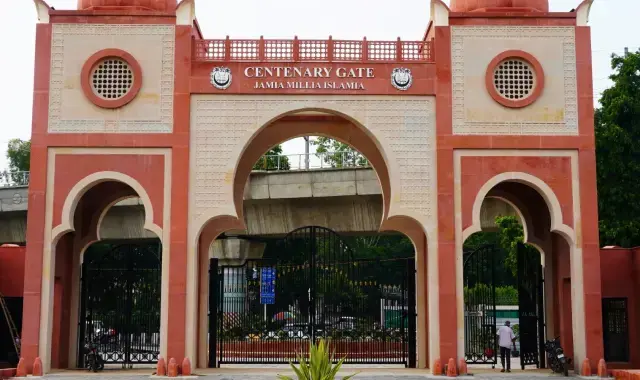
Jamia Millia Islamia (JMI) has announced the launch of a fresh batch of short-term, skill-oriented certificate courses focused on artificial intelligence, cyber security, and digital technologies. Applications are now open for the offline programmes, which aim to strengthen employability and entrepreneurial capabilities among students, job seekers, and aspiring entrepreneurs. The courses are being offered through the Centre for Innovation and Entrepreneurship (CIE) at JMI, in partnership with the Tech Mahindra Foundation. Delivered under the Smart Academy for Digital Technologies and Entrepreneurship, the programmes are designed to equip learners with practical, industry-relevant digital skills and a foundation in entrepreneurship. According to the university, the Smart Academy follows a blended approach that combines classroom instruction with hands-on training. Participants will receive mentoring from subject experts and gain exposure to real-world industry practices, enabling them to pursue roles in the digital economy or explore self-employment and startup opportunities. The newly introduced short-term courses include Digital Entrepreneurship, UI/UX Design, Advanced Digital Marketing, and AI-Driven Data Analysis. Each programme runs for a duration of three months and is open to candidates who have completed Class 12 or an equivalent qualification. In terms of fees, the Digital Entrepreneurship course is priced at Rs 3,050, while the UI/UX Design programme costs Rs 12,600. The Advanced Digital Marketing and AI-Driven Data Analysis courses are each available at a fee of Rs 10,500. JMI stated that the initiative is aligned with its broader objective of promoting innovation, skill development, and self-reliance, while preparing learners for opportunities in digital media, design, data analytics, and technology-driven services within India’s expanding digital and startup ecosystem. Source: Indian Express

Jamia Millia Islamia Opens Applications for Short-Term AI and Digital Skill Courses Read More »

PM Modi Honoured with Oman’s Highest Civilian Award, India-Oman Ties Get Major Boost

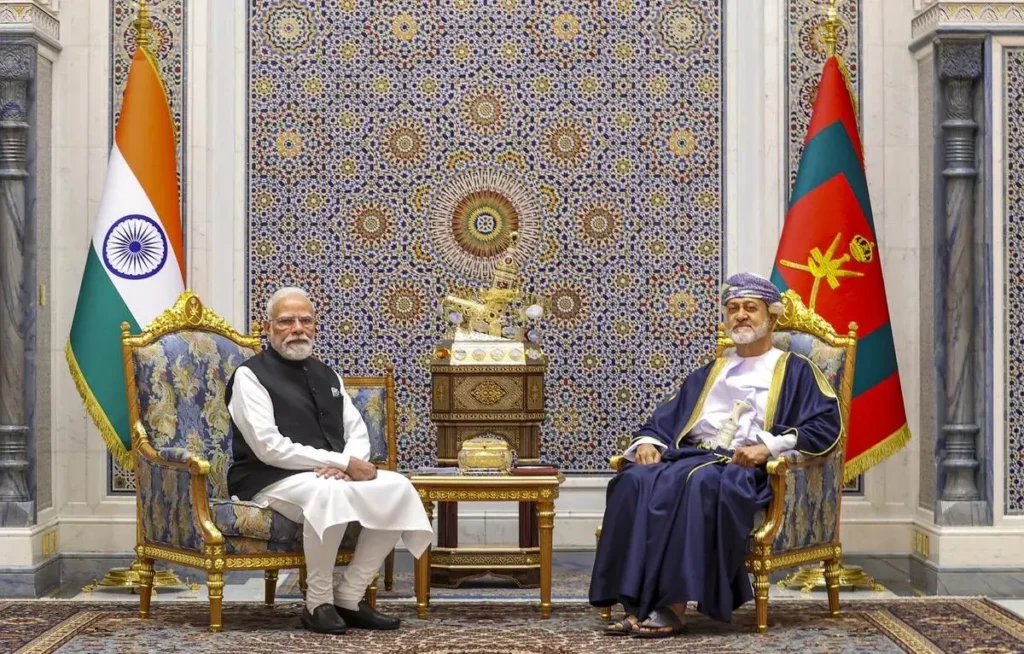
Prime Minister Narendra Modi was conferred with the prestigious Order of Oman by Sultan Haitham bin Tarik during a ceremonial event at the Royal Palace in Muscat, recognising his outstanding contribution to strengthening India-Oman relations and his visionary global leadership. The honour was bestowed during the Prime Minister’s official visit to Oman, which coincides with the 70th anniversary of diplomatic relations between the two nations, lending added significance to the moment and to the growing Strategic Partnership. Prime Minister Modi dedicated the award to the enduring friendship between India and Oman, describing it as a symbol of the mutual trust and affection shared by the people of both countries. A major highlight of the visit was the signing of the Comprehensive Economic Partnership Agreement (CEPA), marking a new chapter in bilateral economic engagement. The agreement aims to create a transparent and predictable trade framework, enhance market access, generate employment opportunities, and facilitate labour mobility while respecting Oman’s sovereign employment policies. The CEPA was signed by Union Commerce and Industry Minister Piyush Goyal and Oman’s Minister of Commerce, Industry and Investment Promotion, Qais Al Yousef, in the presence of Prime Minister Modi and Sultan Haitham bin Tarik. Both leaders welcomed the agreement as a landmark step that would significantly deepen the India-Oman Strategic Partnership. Notably, this is Oman’s second direct Free Trade Agreement in two decades, underscoring India’s importance as a trusted partner. In addition to CEPA, the two countries signed multiple Memorandums of Understanding covering areas such as maritime heritage, education, agriculture, and millet cultivation, further broadening the scope of cooperation. Prime Minister Modi held extensive discussions with the Sultan, including one-on-one and delegation-level meetings, during which they reviewed progress across defence, security, trade, energy, technology, agriculture, culture, and people-to-people ties. They also exchanged views on regional and global developments. At the India-Oman Business Forum, the Prime Minister highlighted opportunities to expand economic collaboration and invited Omani businesses to invest and innovate in India. He also addressed the Indian diaspora in Muscat, including over 700 students from Indian schools, which are marking 50 years of their presence in Oman this year. Addressing the community, he spoke about India’s cultural diversity, the global respect for the Indian diaspora, and India’s transformation over the past 11 years through innovation, startups, and Digital Public Infrastructure. He reaffirmed India’s commitment to the welfare of its overseas citizens and encouraged youth to dream big and innovate boldly. The Prime Minister concluded by emphasising that the India-Oman partnership is becoming future-ready through cooperation in artificial intelligence, digital education, innovation, and entrepreneurship. Source: newsonair

PM Modi Honoured with Oman’s Highest Civilian Award, India-Oman Ties Get Major Boost Read More »

OTT Platforms to Stay Outside CBFC Oversight, Government Tells Lok Sabha

The Centre has reaffirmed that content streamed on over-the-top (OTT) platforms will not fall under the purview of the Central Board of Film Certification (CBFC). The clarification was given in the Lok Sabha in response to a query raised by MP Dr. M K Vishnu Prasad. Minister of State for Information and Broadcasting Dr. L. Murugan stated that digital streaming content is regulated under the Information Technology (Intermediary Guidelines and Digital Media Ethics Code) Rules, 2021, and not through the film certification body. Under the existing framework, OTT platforms are mandated to adhere to a prescribed Code of Ethics. This includes complying with all applicable laws, refraining from prohibited content, and adopting age-based content classification to guide viewers. To monitor compliance, the IT Rules provide for a three-level regulatory mechanism. At the first level, publishers are responsible for self-regulation and addressing complaints related to their content. The second level involves oversight by self-regulatory bodies constituted by the publishers themselves. The third and final level empowers the Central Government to intervene when necessary. Complaints related to OTT content are initially handled by the concerned platform, allowing publishers to resolve issues internally in accordance with the IT Rules, 2021. Dr. Murugan highlighted that this multi-tier system is designed to strike a balance between safeguarding creative expression and ensuring legal accountability, with digital content regulation being managed through a structured grievance redressal process rather than CBFC certification. Source: Economic Times

OTT Platforms to Stay Outside CBFC Oversight, Government Tells Lok Sabha Read More »

IHH Healthcare Targets 7,000-Bed Capacity in India by 2028

IHH Healthcare has reiterated that it is on course to expand its hospital capacity in India to nearly 7,000 beds by 2028, marking an increase of over one-third from its current scale. The update comes after the successful completion of its open offer to acquire an additional stake in Fortis Healthcare. Following the open offer, IHH’s ownership now stands at 31.17% in Fortis Healthcare and 62.73% in Malar Hospitals. The company said the milestone positions it strongly for the next phase of growth in the Indian market. IHH Healthcare Group CEO Prem Kumar Nair said the conclusion of the Fortis open offer is a key step in advancing the group’s India strategy, aligning with its broader transformation efforts aimed at strengthening long-term resilience. He added that the company is well placed to drive innovation, enhance patient outcomes, and create sustainable value amid India’s rapidly evolving healthcare sector. Nair also highlighted that closer collaboration between Fortis Healthcare and Gleneagles Healthcare India will help unlock operational efficiencies and further improve the quality of care delivered nationwide. Echoing this outlook, Ashok Pandit, Group Chief Corporate Officer at IHH Healthcare, said the company is steadily expanding its footprint and remains committed to adding nearly 2,000 beds by 2028. Currently, IHH operates 35 hospitals with over 5,000 beds across 11 states in India, leveraging both operational and financial synergies to support its growth ambitions. Globally, IHH Healthcare has operations in 10 countries, including Malaysia, Singapore, Turkiye, India, and Greater China. Source: PTI

IHH Healthcare Targets 7,000-Bed Capacity in India by 2028 Read More »

Chitkara University Researchers Develop a Microwave-Assisted Sustainable Technology for High-Purity Silica Gel Production from Rice Straw

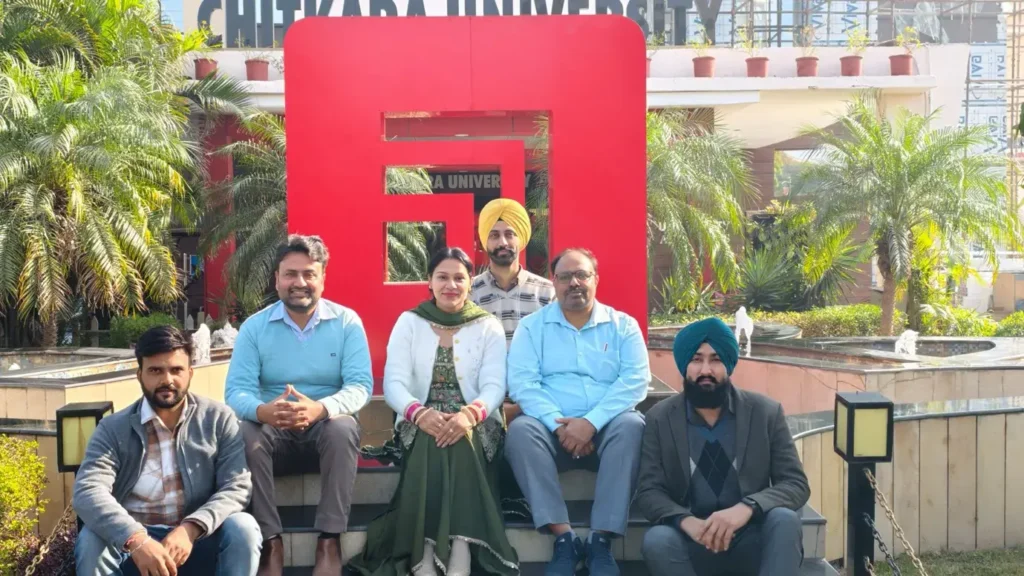
Chitkara University Research and Innovation Network (CURIN) at Chitkara University has developed an innovative, sustainable, and energy-efficient microwave-assisted technology for synthesizing high-purity silica gel from rice straw, a high-ash agricultural residue that has long posed environmental and economic challenges. The process is supported by an indigenously developed semi-automated system and follows a zero-waste, circular-economy approach, offering a viable alternative to conventional silica extraction techniques. Rice straw and similar crop residues are produced in large quantities across northern India and other agrarian regions. Owing to their high silica content, strong lignin binding, low bulk density, and high ash fraction, these residues are difficult to utilize effectively. They are unsuitable for animal feed, problematic for energy generation due to silica deposition on boiler surfaces, and are therefore often disposed of through open-field burning. This practice contributes significantly to air pollution, greenhouse gas emissions, soil degradation, and public health concerns. Conventional methods of extracting silica from such biomass are typically slow, energy-intensive, and cost-prohibitive, limiting their practical application. To address these challenges, the research team developed a microwave-assisted chemical extraction and synthesis route that utilizes both the thermal and non-thermal effects of microwave energy to catalyze chemical reactions. This approach significantly reduces processing time, enhances mass transfer, and improves overall energy efficiency compared to traditional heating methods. The patented process enables efficient extraction of silica from rice straw ash and its subsequent conversion into high-purity silica gel, while being compatible with semi-automated operation and decentralized deployment. The synthesized silica gel exhibits excellent material characteristics and is suitable for a wide range of applications, including use as a desiccant, catalyst support, humidity control medium, and chromatographic stationary phase. The process has been rigorously validated through scientific and technical studies, including Fourier Transform Infrared Spectroscopy for functional group analysis, proximate analysis for biomass characterization, spectroscopic and microscopic techniques for structural and morphological assessment, and thermogravimetric and physical performance analyses to evaluate thermal stability and material integrity. These studies confirm the chemical purity, structural consistency, and functional reliability of the produced silica gel. Preliminary assessments indicate strong potential for economic viability and large-scale commercialization. Detailed economic feasibility studies are currently underway to optimize process parameters, determine the most suitable scale of operation, and finalize the commercial design of the technology. In parallel, life-cycle assessment studies are planned to evaluate environmental impacts and explore opportunities for carbon credit generation. The technology is expected to transform the crop-waste market by creating value from agricultural residues, enabling micro-entrepreneurship in rural areas, strengthening local supply chains, and reducing dependence on imported silica products. This innovation contributes significantly to global sustainable development by supporting affordable and clean energy through efficient biomass utilization, promoting decent work and economic growth via rural entrepreneurship, advancing industry, innovation, and infrastructure through indigenous and scalable technology, and fostering sustainable cities and communities by reducing air pollution from crop residue burning. It further encourages responsible consumption and production through a zero-waste, waste-to-wealth model, strengthens climate action by lowering greenhouse gas emissions and enabling carbon credit pathways, and supports life on land by reducing soil degradation and land pollution associated with improper biomass disposal. With continued efforts toward scale-up, commercialization, and policy integration, this microwave-assisted silica gel synthesis technology represents a significant advancement in sustainable materials research and agricultural waste valorization. The innovation reinforces Chitkara University’s commitment to impactful research, environmental stewardship, and inclusive economic development, positioning the institution as a key contributor to national and global sustainability initiatives. (Disclaimer: This report is generated from PRO services. ‘ArdorComm Media’ holds no responsibility for its content.)

Chitkara University Researchers Develop a Microwave-Assisted Sustainable Technology for High-Purity Silica Gel Production from Rice Straw Read More »

India Adds Over 77,000 Medical Seats in Six Years to Strengthen Healthcare Workforce

India has significantly expanded its medical education capacity over the past six years, adding 48,563 undergraduate (MBBS) seats and 29,080 postgraduate (MD/MS) seats between the 2020–21 and 2025–26 academic years, the Ministry of Health and Family Welfare informed the Rajya Sabha. In a written response to an unstarred question, Minister of State for Health and Family Welfare Anupriya Patel said the expansion was carried out based on recommendations from the National Medical Commission (NMC), with a focus on addressing doctor shortages, particularly in underserved and remote regions. Data presented in Parliament shows a consistent year-on-year rise in MBBS seats, beginning with 2,963 additions in 2020–21. This was followed by 8,790 seats in 2021–22, 7,398 in 2022–23, 9,652 in 2023–24, and 8,641 in 2024–25. The largest annual increase came in 2025–26, with 11,119 new MBBS seats, taking the six-year total to 48,563. Postgraduate medical education also witnessed steady growth. PG seats increased by 4,983 in 2020–21 and 4,705 in 2021–22, before adding 2,874 seats in 2022–23. The momentum picked up again with 4,713 seats in 2023–24 and 4,186 in 2024–25. The highest single-year rise of 7,619 PG seats was recorded in 2025–26, bringing the cumulative increase to 29,080 seats. In addition, the Centre has approved the creation of 10,023 more medical seats under centrally sponsored schemes in government medical colleges between 2025–26 and 2028–29, further boosting capacity. The ministry said the expanded intake has contributed to improving the doctor-to-population ratio across several states, including Rajasthan, while also making medical education more accessible to Indian students and reducing the need to study abroad.   To address concerns over quality, the government noted that the NMC has implemented robust regulatory measures, such as the Minimum Standards Requirements, Graduate Medical Education Regulations 2023, Maintenance of Standards of Medical Education Regulations 2023, and the Competency-Based Medical Education Curriculum Guidelines 2024, to ensure academic and clinical standards are maintained despite rapid expansion. Source: Indian Express  

India Adds Over 77,000 Medical Seats in Six Years to Strengthen Healthcare Workforce Read More »

Nestlé India Names Nitu Bhushan as New Head of Human Resources

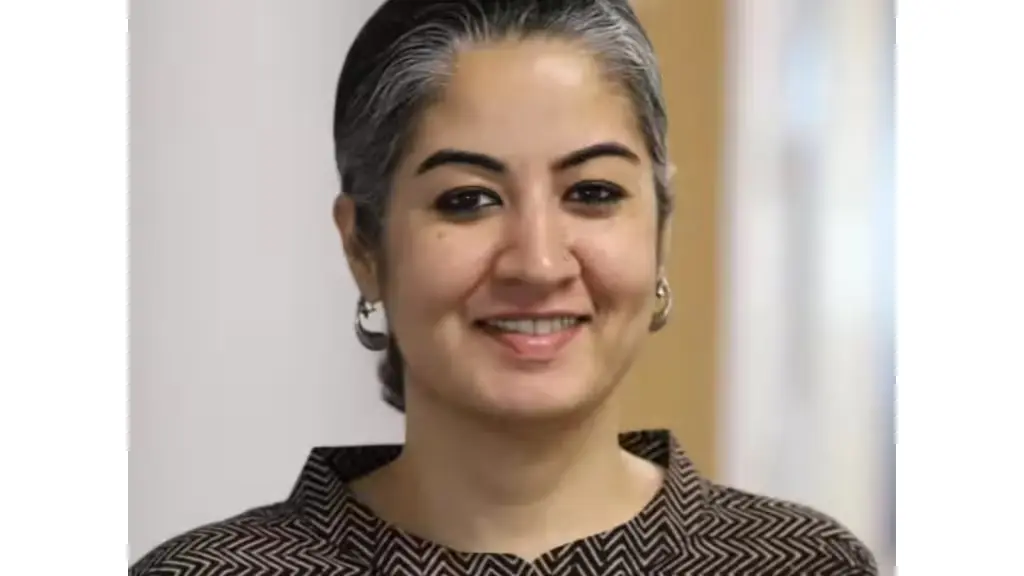
Nestlé India has announced the appointment of Nitu Bhushan as its new Head of Human Resources, effective March 2, 2026. The decision was disclosed in a regulatory filing to the BSE dated December 10. Bhushan joins from Pernod Ricard, where she served as Chief Human Resources Officer. At 47, Bhushan brings more than 22 years of cross-industry HR experience, having worked across FMCG, pharmaceuticals, banking, and technology sectors. She holds a Master’s degree in Personnel Management and a Bachelor’s degree in Engineering (Electronics & Telecommunication). Over the course of her career, she has held senior HR roles at organisations such as Pernod Ricard India, Accenture, Asian Paints, HSBC Bank, Mondelez International, and Abbott. Bhushan will succeed Anurag Patnaik, who has decided to step down from the company effective December 31, 2025. Patnaik, a Nestlé India veteran of over two decades, was appointed Head of HR in February 2021 after joining the company as a management trainee in 2005. Her appointment comes amid a broader leadership transition at Nestlé India, with several senior-level changes planned over the next 15 months across finance, technical, and legal functions. Recently, the company announced that Chief Financial Officer Svetlana Boldina will relinquish her role on January 31, 2026, to take up a new assignment within a Nestlé group entity. Her successor is yet to be named. In the technical function, Executive Director Satish Srinivasan is set to retire on May 31, 2026. He will be succeeded by Jagdeep Singh Marahar as Whole-Time Director, effective June 1, 2026, who will also take charge as Head of Technical. Marahar, currently Managing Director of Nestlé R&D Centre India, has nearly three decades of experience with the company and holds advanced qualifications in food technology and agriculture. The legal and strategy verticals are also witnessing leadership exits. Venkateswaran T.S., General Counsel and Head of Legal & Compliance, will retire after more than 30 years in corporate legal leadership, while Sanjay Bahadur, Executive Vice President and Head of Group Strategy and Business Development, retired in November. Nestlé India said all proposed leadership changes will be placed before the Board of Directors for approval, based on recommendations from the Nomination and Remuneration Committee. The company has outlined extended transition timelines to ensure smooth succession and business continuity. Industry analysts view these changes as part of a strategic realignment as the company navigates evolving market conditions, regulatory pressures, and digital transformation in the FMCG sector. The leadership reshuffle also follows Nestlé SA’s recent announcement of a global restructuring plan that includes cutting 16,000 jobs over two years under its new CEO, Philipp Navratil, to sharpen focus on higher-margin products. Source: Financial Times

Nestlé India Names Nitu Bhushan as New Head of Human Resources Read More »

DGCA’s Tariff Monitoring Unit to be reinforced to curb high airfares, government says

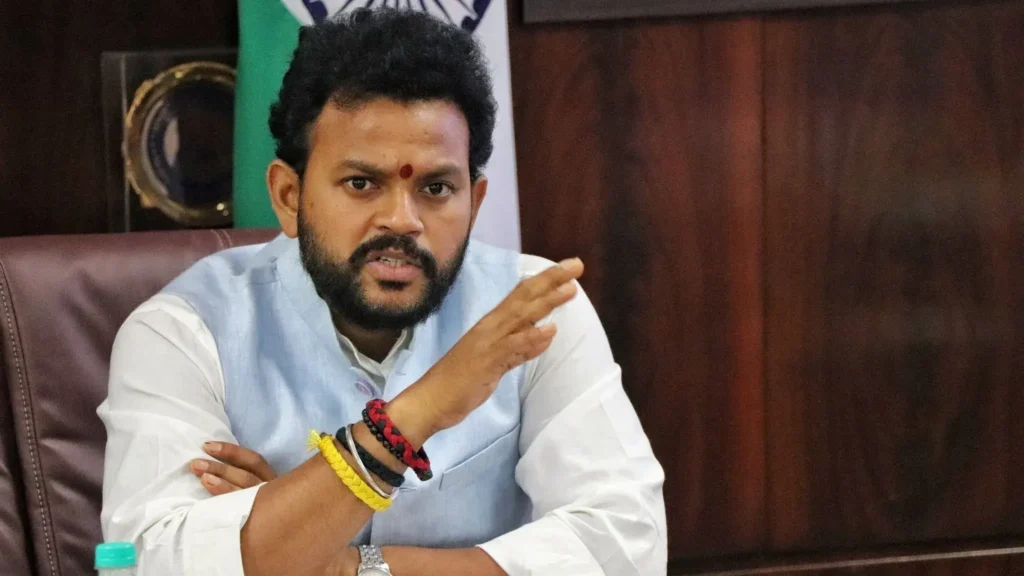
The Union government has announced plans to further strengthen the Tariff Monitoring Unit under the Directorate General of Civil Aviation (DGCA) to keep a close watch on airfares, Civil Aviation Minister Ram Mohan Naidu informed the Rajya Sabha. Responding to supplementary questions during Question Hour, the Minister said that fare monitoring has been expanded beyond domestic routes and now includes international sectors as well. He added that the Ministry intervenes whenever there are indications of a sharp or unreasonable rise in ticket prices. Referring to the recent IndiGo disruption that led to widespread flight cancellations, Mr. Naidu said the government stepped in to cap fares to ensure prices remained reasonable and within reach of passengers. He also highlighted that passengers have been empowered through a tariff monitoring feature on the Air Sewa portal. If travellers believe fares are excessively high, they can upload screenshots of ticket prices on the portal, following which the Ministry will take up the matter with the concerned airline. The Minister noted that airfare surges are largely a result of the deregulated nature of the aviation sector, where prices tend to increase when demand significantly outstrips supply. Source: newsonair

DGCA’s Tariff Monitoring Unit to be reinforced to curb high airfares, government says Read More »

BCCI still not a national sports federation, Mandaviya tells Lok Sabha

The Board of Control for Cricket in India (BCCI) is not recognised as a National Sports Federation (NSF), Union Sports Minister Mansukh Mandaviya informed the Lok Sabha on Monday, reaffirming a long-standing position that is likely to change after the National Sports Governance Act is fully implemented next year. Responding to a question from Trinamool Congress MP Mala Roy, who sought clarity on whether the government plans to step in to oversee major sports bodies such as the BCCI and the financially strained All India Football Federation (AIFF), Mandaviya said NSFs are autonomous, voluntary organisations expected to adhere to sound governance practices. He clarified that the BCCI has so far remained outside the NSF framework because it does not depend on government funding. However, once the new law comes into force, the BCCI will be required to register as an NSF, as cricket has been included in the Olympics and is scheduled to feature in the 2028 Los Angeles Games in the T20 format. Passed in August, the National Sports Governance Act provides for the creation of a National Sports Board (NSB), which will introduce stricter accountability norms. Under the new system, all NSFs must secure NSB recognition to be eligible for central government funding. Addressing concerns related to transparency, Mandaviya noted that the government has eased provisions related to the Right to Information (RTI) Act. Only sports bodies that receive government grants or assistance will fall under the RTI framework, offering relief to the BCCI, which has consistently opposed RTI coverage. The minister also told the House that NSFs receiving annual grants exceeding ₹1 crore are subject to audits by the Comptroller and Auditor General (CAG) of India. Source: PTI

BCCI still not a national sports federation, Mandaviya tells Lok Sabha Read More »