ArdorComm Media Group

Tuesday, July 28, 2026 9:49 AM

community

Indo-German Research Finds Strong Link Between Gut Imbalance and Memory Decline
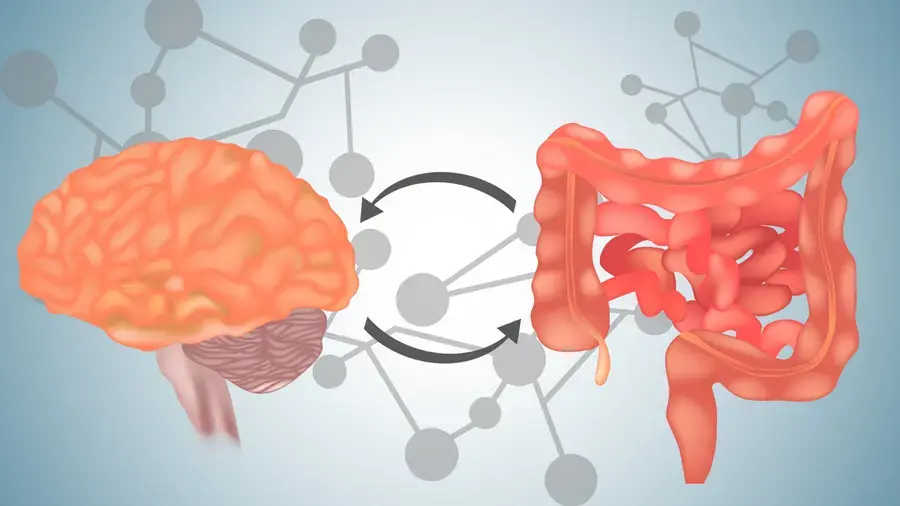
A joint Indo-German research team has uncovered a clear biological pathway connecting imbalances in gut bacteria to memory loss, learning difficulties, and cognitive decline, according to a statement released by Cochin University of Science and Technology (CUSAT). The findings, published in the latest edition of the peer-reviewed journal BMC Biology, show that disturbances in the gut microbiome—often caused by prolonged antibiotic use or poor dietary habits—can trigger systemic inflammation that ultimately disrupts brain circuits responsible for memory and cognition. The study was conducted under a collaborative programme supported by India’s Department of Science and Technology (DST) and the German Academic Exchange Service (DAAD). The research team was led by Baby Chakrapani PS of CUSAT’s Centre of Excellence in Neurodegeneration and Brain Health (CENABH) and Centre for Neuroscience, along with Prof Martin Korte from the Technical University of Braunschweig and the Helmholtz Centre for Infection Research (HZI), Germany. The work formed part of doctoral research by scholar Krishnapriya under Chakrapani’s supervision. Researchers focused on antibiotic-induced gut dysbiosis, a condition marked by an imbalance in gut microbes, and examined how it affects bodily systems beyond the digestive tract. They found that disrupted gut bacteria initiate inflammatory and oxidative processes that weaken the gut barrier. These signals then travel to the brain, altering its immune environment. According to Chakrapani, the inflammation originating in the gut does not remain localised. Instead, it influences the brain’s immune cells, known as microglia. These cells normally help maintain brain health by clearing debris and selectively pruning weak synapses. However, under prolonged inflammatory stress linked to gut dysbiosis, microglia become overactive. Prof Korte explained that this overactivation causes microglia to eliminate not just weak synaptic connections but also healthy ones that are essential for learning and memory. This excessive synaptic pruning was associated with measurable impairments in memory and learning tasks. The researchers noted that gut dysbiosis is becoming increasingly common due to widespread antibiotic use, highly processed diets, chronic stress, and inadequate sleep—all of which reduce microbial diversity in the gut. Emphasising the broader implications of the findings, Korte said gut health should not be viewed solely in terms of digestion, as it also plays a crucial role in maintaining cognitive health. CUSAT said the study opens up potential intervention strategies, including careful antibiotic use, targeted probiotics, and balanced nutrition, to help protect both gut and brain function. Chakrapani added that the research represents an important step toward understanding the complex gut–brain connection. The team plans to explore whether restoring gut microbial balance can reverse cognitive impairments and whether similar mechanisms contribute to neurodegenerative diseases. Source: PTI

Indo-German Research Finds Strong Link Between Gut Imbalance and Memory Decline Read More »
Gujarat CM Disburses ₹370 Crore in Scholarships to Over 13 Lakh Students via DBT

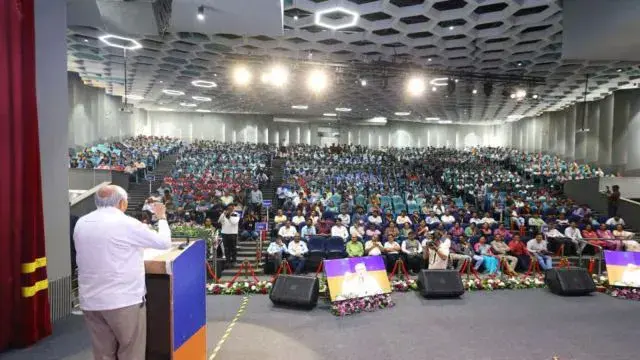
Gujarat Chief Minister Bhupendra Patel announced the transfer of more than ₹370 crore in scholarship assistance to over 13 lakh students through Direct Benefit Transfer (DBT) in Gandhinagar. The financial support was provided under four key state education schemes—Namo Lakshmi Yojana, Namo Saraswati Vigyan Sadhana Yojana, Mukhyamantri Gyan Sadhana Merit Scholarship Yojana, and Mukhyamantri Gyan Setu Merit Scholarship Yojana. The event was attended by Deputy Chief Minister Harsh Sanghavi, Education Minister Pradyuman Vaja, and Minister of State for Education Rivabaa Jadeja. Addressing the gathering, Chief Minister Patel highlighted the significant progress Gujarat’s education sector has made over the last two-and-a-half decades under the leadership of Prime Minister Narendra Modi. He said the vision of providing uninterrupted access to education from kindergarten to postgraduate level is steadily being realised. Special emphasis, he added, has been placed on girls’ education through initiatives like Namo Lakshmi Yojana and Namo Saraswati Vigyan Sadhana Yojana, aimed at ensuring continued participation of girls in secondary and higher secondary education. Recalling Prime Minister Modi’s tenure as Gujarat Chief Minister from 2001, Patel said his hands-on efforts—such as personally visiting villages to promote girls’ education and auctioning gifts received during his tenure to fund educational initiatives—set new standards nationwide. These efforts, combined with programmes like Shala Praveshotsav and Kanya Kelavani Mahotsav, helped reduce the girls’ dropout rate from 37 percent to less than two percent. The Chief Minister also outlined the expansion of educational infrastructure in the state. Village schools offering science streams have increased to 2,834, while the number of colleges has grown from 775 in 2001 to over 3,200 today. Engineering colleges have risen from 139 to 288, and medical seats have expanded from 1,175 to more than 7,000. Additionally, over 24,000 girls pursuing medical education have benefited from the Mukhyamantri Kanya Kelavani Nidhi Yojana. Deputy Chief Minister Harsh Sanghavi said the ₹370 crore disbursed on the day forms part of a larger commitment, with the state having provided more than ₹1,332 crore in assistance to over 13.5 lakh students so far. Congratulating the Chief Minister on completing three years of his second term, he praised his people-centric leadership and strong focus on education. Sanghavi noted that the Namo Saraswati Vigyan Sadhana Yojana was launched to ensure that financial constraints do not prevent students from opting for the science stream, especially as Gujarat continues to attract major industrial investments. Education Minister Pradyuman Vaja stated that Gujarat’s investment in education is aimed at building a strong foundation for a Viksit Gujarat and a Viksit Bharat. He said these schemes are opening new opportunities and aspirations for students across the state. Sharing scheme-wise details, he said the Namo Lakshmi Yojana has so far disbursed ₹1,033 crore to 10.49 lakh girls, leading to a 73 percent increase in attendance and a 13.59 percent rise in enrolment in Class 12. Under the Namo Saraswati Vigyan Sadhana Yojana, ₹151.84 crore has been provided to 1.5 lakh students, resulting in a 6.34 percent increase in science stream enrolment. The Mukhyamantri Gyan Sadhana Merit Scholarship Yojana has extended ₹86.14 crore to 50,000 students, while the Mukhyamantri Gyan Setu Merit Scholarship Yojana has provided ₹61.27 crore to 60,000 students, promoting merit-based and quality education. Minister of State for Education Rivabaa Jadeja described the programme as a landmark moment, reaffirming that education remains the most effective tool for social transformation. She said the state government is committed to ensuring quality education, strengthening infrastructure, promoting girls’ education, reducing dropout rates, and supporting the holistic development of students to prepare them for a brighter future. Source: PTI

Gujarat CM Disburses ₹370 Crore in Scholarships to Over 13 Lakh Students via DBT Read More »

Music Tourism Surges as Over 5.6 Lakh Indians Travel for Concerts in 2025: Report

India is no longer just consuming entertainment — it’s packing its bags for it. According to BookMyShow’s Throwback 2025 report, music tourism witnessed an exceptional upswing this year, with more than 5.6 lakh Indians travelling across cities to attend concerts. This surge created booming micro-economies around each event, driving business for airlines, hotels, cabs and local eateries. Premium live experiences also saw a major leap, with attendance nearly doubling in 2025. Fans increasingly favoured VIP zones, elevated viewing decks and curated hospitality, signalling a clear shift toward experience-driven entertainment. Several state governments helped fuel this rise. BookMyShow inked MoUs with tourism departments in Assam, Telangana, Gujarat and Delhi to attract global artists, improve event infrastructure and generate local employment—cementing live entertainment as a growing economic contributor. Live events on the rise Overall, live entertainment consumption grew by 17%, with more than 34,000 events—from concerts and comedy shows to cultural festivals—held nationwide. Tier-2 cities like Visakhapatnam, Vadodara, Indore, Shillong and Rajkot recorded explosive triple-digit growth, highlighting a widespread appetite for diverse experiences. Notably, solo attendance soared, with 1.8 million people choosing to enjoy events on their own. Cinema continues to unite India Despite the live-event boom, cinema retained its position as India’s favourite collective pastime. Regional films strengthened their presence, while nostalgia re-runs brought 58 lakh viewers back to theatres. Hyderabad shone as the re-release hub, with Interstellar leading the revival wave after selling out multiple runs. The Dussehra weekend delivered the highest footfall of 2025 with 6.8 million tickets sold. Kantara: A Legend Chapter–1 became the year’s biggest repeat-watch title, drawing more than 6 lakh returning fans. Meanwhile, Coolie topped advance bookings with 2.4 million pre-sold tickets. BookMyShow notes that 2025 marked a year of deliberate engagement—Indians didn’t just watch entertainment; they pursued it, travelled for it and made it a part of their weekly lifestyle. Source: Economic Times

Music Tourism Surges as Over 5.6 Lakh Indians Travel for Concerts in 2025: Report Read More »

Licences of 176 Retailers, 39 Wholesalers Cancelled in Maharashtra Over Substandard Medicines

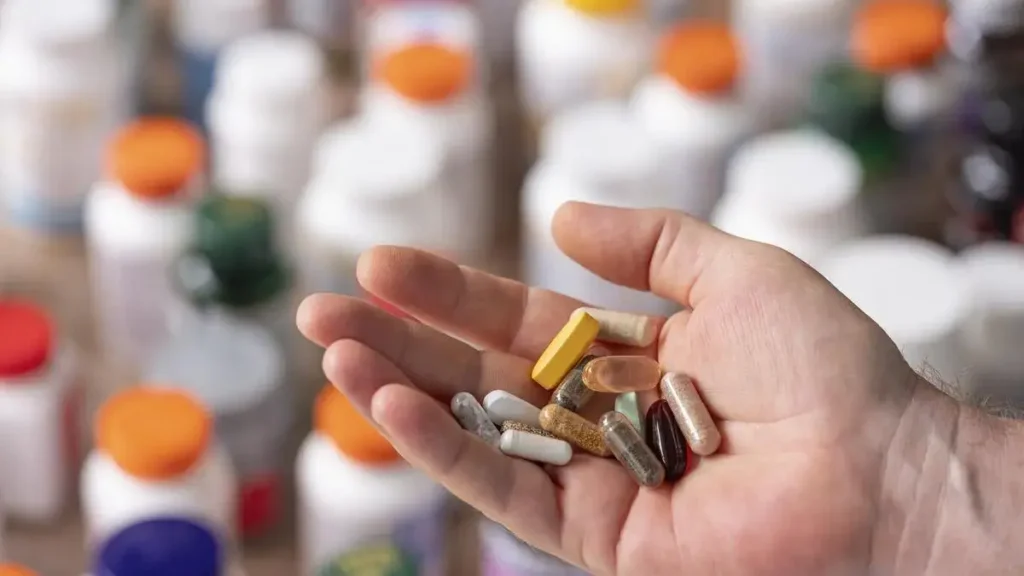
Maharashtra has taken strong action against the sale of poor-quality drugs, cancelling the licences of 176 retail pharmacies and 39 wholesalers over the past year, State Food and Drug Administration (FDA) Minister Narhari Zirwal informed the Assembly on December 10, 2025. Responding in writing to a question raised by BJP MLA Amit Satam and others, Zirwal stated that the FDA had launched a special crackdown, during which samples of cough syrups and other medicines were collected and sent for testing. Inspections were carried out at 136 retail outlets and 93 wholesalers, with show-cause notices issued before the licence cancellations. Zirwal revealed that fake cough syrups were detected during an FDA drive in October 2024. Doctors and pharmacists were instructed not to prescribe or dispense medicines containing propranolol. Of the 36 samples tested across Mumbai, Thane, Pune, Aurangabad and Nagpur, 34 failed quality checks, including drugs used for hypertension, diabetes, tuberculosis, heart ailments and blood purification. Six samples of a particular paediatric cough syrup brand were also flagged for poor quality. The Minister said some medicines had altered or mixed components and were sold under new names, with fake or substandard batches even reaching government hospitals through unauthorised suppliers. A shortage of personnel contributed to weaker oversight, as 176 drug inspector posts remain vacant. Maharashtra currently has testing labs in Mumbai, Nagpur and Pune. Zirwal added that 109 inspector positions will be filled through the Maharashtra Public Service Commission, and efforts are underway to upgrade laboratories in Nashik and Pune. Source: PTI Photo Credit: Getty Images/iStockphoto

Licences of 176 Retailers, 39 Wholesalers Cancelled in Maharashtra Over Substandard Medicines Read More »

Australia Enforces World’s First Social Media Ban for Under-16s

Australia has officially become the first country in the world to ban social media access for children and teenagers under 16. Under the new legislation, major platforms — including Instagram, Facebook, Threads, X, Snapchat, TikTok, YouTube, Reddit, Twitch and Kick — must prevent users below the age threshold from accessing their services. While parents and minors won’t face penalties for violations, tech companies risk fines of up to 32 million dollars if they fail to comply. The government says the move is aimed at shielding young people from harmful online content, but critics warn it may unintentionally push vulnerable teens toward unsafe, unregulated digital spaces. The decision has sparked debate across Australia, drawing concern from tech giants and free-speech advocates, even as many parents and child-safety organisations have welcomed the policy. Prime Minister Anthony Albanese had first signalled plans for an age-based restriction last September. Source: newsonair  

Australia Enforces World’s First Social Media Ban for Under-16s Read More »

Pariksha Pe Charcha 2026 Registration Begins: Chance to Meet PM Modi in January; Website and Key Dates

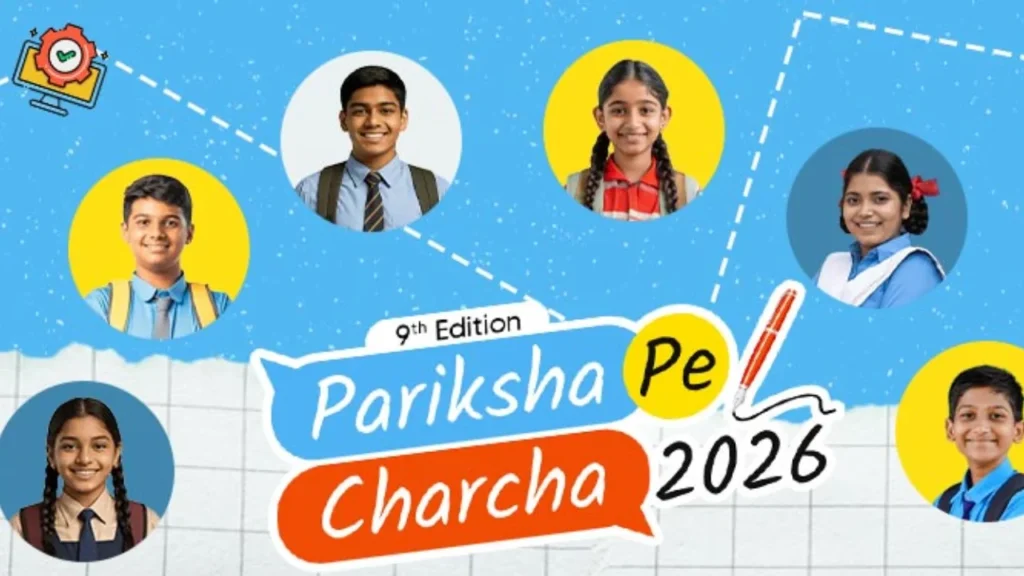
The Ministry of Education has opened registrations for the ninth edition of Pariksha Pe Charcha (PPC), the Prime Minister’s annual interaction with students, parents and teachers on tackling exam pressure and preparing effectively. The 2026 edition will take place in January, and applications can be submitted online until January 11, 2026. What is Pariksha Pe Charcha? Pariksha Pe Charcha is a core component of the government’s ‘Exam Warriors’ movement, aimed at easing exam stress and encouraging healthy, confident learning habits. The programme allows students, educators and parents from across India to engage directly with the Prime Minister on issues such as exam anxiety, time management, mental wellness and preparation strategies for board and competitive exams. It also serves as a nationwide guidance platform, fostering a positive mindset toward examinations. Registration Details for PPC 2026 Registration for PPC 2026 is live on the MyGov Innovate portal. Last date to apply: January 11, 2026 Eligible participants include: — Students of Classes 6–12 — Teachers from recognised institutions — Parents or guardians of school students How to Register for Pariksha Pe Charcha 2026 Visit the official PPC 2026 page on MyGov Innovate: innovateindia1.mygov.in/ppc-2026 Click on ‘Participate Now’ Select your category (Student/Teacher/Parent) Log in or create a MyGov account using email or mobile number Complete the quiz/activity assigned to your category Fill out the registration form and submit your entry Students may also upload a question for the Prime Minister to answer during the event PPC Login: Accessing Your Dashboard Participants can log in to the MyGov portal to: — View their submissions — Track quiz/activity status — Download participation certificates — Receive updates on shortlisting and event information Submitting a Question to PM Modi: Guidelines Students can submit original, concise questions that follow the rules: — Format: Clear and relevant — Word limit: Around 500 characters — Languages: English or any Indian language available on MyGov Creative and meaningful questions may be featured during the live interaction. Important Dates & What’s Next? — Registration ends: January 11, 2026 — Event: January 2026 (exact date to be announced) After submission, entries go through a screening process. Selected students, parents and teachers may be invited to attend the event or associated activities. Digital participation certificates will be available through MyGov. PPC 2025 witnessed 3.53 crore valid registrations, reflecting growing nationwide engagement. Source: Indian Express

Pariksha Pe Charcha 2026 Registration Begins: Chance to Meet PM Modi in January; Website and Key Dates Read More »

Microsoft Drops Diversity and Inclusion as Core Criteria in Employee Reviews

Microsoft has removed diversity and inclusion as mandatory companywide priorities in employee performance evaluations, signalling a major shift from the commitments it amplified after the 2020 George Floyd protests, according to reports from The Verge and Game File. The update, rolled out last month through Microsoft’s internal Connect system, eliminates required questions that previously asked employees to outline how their work contributed to a “more diverse and inclusive Microsoft.” These DEI-related prompts, along with similar security-impact questions, were once integral to annual reviews. The company announced the revision quietly via a Viva Engage post, describing it as part of a “simplification” of its core priorities—now simply called “goals.” Adding to the changes, Wired reported that Microsoft will not release its annual diversity and inclusion report this year, ending more than a decade of public transparency on workforce representation. Chief Communications Officer Frank Shaw said the company is moving toward “more dynamic and accessible” storytelling formats, even as internal HR documents now refer only to “inclusion,” not “diversity.” The policy shift comes after growing political pressure, including an executive order by former President Donald Trump targeting corporate DEI programs. Microsoft had already laid off its internal DEI team in July 2024, with the team lead reportedly noting that such initiatives were no longer considered “business critical” as they were in 2020. Employee reactions to the latest rollback have been divided. Some workers told The Verge the initial DEI requirements always felt “performative,” while others saw the retreat as expected—especially after CEO Satya Nadella invited Elon Musk to speak at Microsoft Build, angering employee groups like GLEAM, which represents LGBTQIA+ staff and allies. Despite these moves, Microsoft spokesperson Jeff Jones maintained: “Our D&I commitments remain unchanged. Our focus on diversity and inclusion is unwavering.” Source: TOI

Microsoft Drops Diversity and Inclusion as Core Criteria in Employee Reviews Read More »

Karnataka to Set Up House Panel to Ease Rules for Private School Recognition

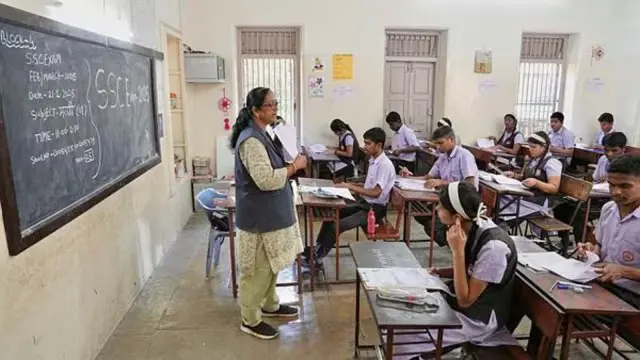
The Karnataka government has decided to establish a House committee to review and recommend relaxations to the rules governing the initial recognition and renewal of private aided and unaided schools. School Education and Literacy Minister S. Madhu Bangarappa announced the move in the Legislative Council after members highlighted the challenges faced by institutions due to stringent regulations. He said the committee would study the issue in depth and submit a report, based on which the government will take a final call. Bangarappa assured that no private school would face difficulties during the interim period before the committee is formed and its recommendations implemented. Responding to allegations that some officials were demanding bribes for renewing school recognition, the minister acknowledged that efforts to shift the process online had not been fully successful. He warned that strict disciplinary action would be taken against any officials found engaging in corruption. Council members urged the government to act swiftly, citing widespread malpractice and stressing the need to immediately relax the rules and set up the House committee. Source: PTI  

Karnataka to Set Up House Panel to Ease Rules for Private School Recognition Read More »

Targeting TB Bacteria’s Fatty Outer Coat May Boost Drug Effectiveness: IIT Bombay–Monash Study

Researchers from IIT Bombay and Monash University have discovered that the fatty outer coat of Mycobacterium tuberculosis—the bacteria that causes TB—plays a crucial role in helping it evade antibiotics. By altering this lipid-rich membrane, TB bacteria can survive drug treatment, especially when they enter a dormant state. Despite over a century of research, tuberculosis remains a major global threat. In 2023, 10.8 million people fell ill and 1.25 million died from the disease, with India recording more than 2.6 million cases in 2024. One of the biggest hurdles in treatment is the bacteria’s ability to slip into dormancy shortly after infection. In this phase, the bacteria remain alive but inactive, causing no symptoms and unable to spread. However, if a person’s immunity drops—due to HIV, illness or immunosuppressive medication—the bacteria can reactivate. Since standard TB drugs mainly target bacteria that are actively growing, dormant cells are far less affected and often survive long treatment cycles. The new study led by Prof Shobhna Kapoor of IIT Bombay and Prof Marie-Isabel Aguilar of Monash University examined how TB bacteria survive this drug assault. The researchers found that the dormant bacteria’s outer membrane undergoes changes that make it harder for antibiotics to penetrate. Drug concentrations needed to inhibit these dormant cells were up to ten times higher than those needed for active ones. Advanced mass spectrometry allowed the team to map more than 270 lipid molecules in the bacterial membranes, revealing significant differences between active and dormant bacterial states. According to the researchers, weakening this lipid barrier could make existing drugs far more effective. Instead of relying solely on new antibiotics, combining current treatments with molecules that disrupt the outer membrane could help kill persistent bacteria without promoting genetic resistance. Prof Kapoor noted that such an approach could shorten therapy durations and restore drug sensitivity, giving TB bacteria little room to adapt permanently. Source: PTI

Targeting TB Bacteria’s Fatty Outer Coat May Boost Drug Effectiveness: IIT Bombay–Monash Study Read More »

Maharashtra’s Record-Breaking Solar Pump Rollout Earns Guinness Recognition

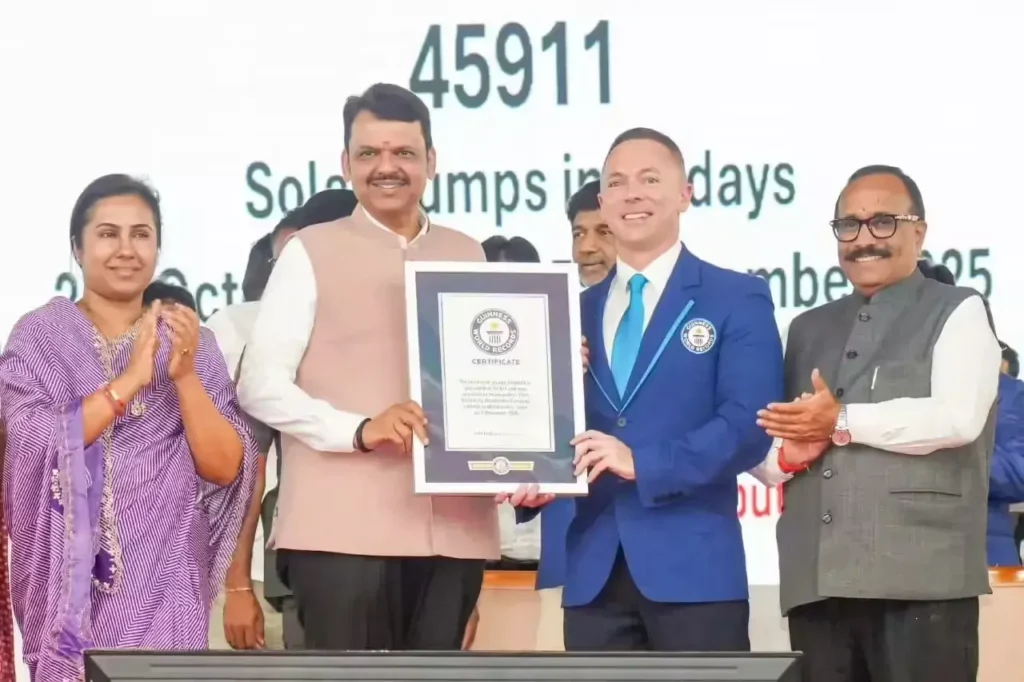
Maharashtra has entered the Guinness World Records after installing 45,911 off-grid solar agricultural pumps within just one month — one of the fastest large-scale renewable irrigation deployments worldwide, second only to China. The rapid rollout, executed under the PM-KUSUM scheme and the Magel Tyala Saur Krushi Pump Yojana, was completed in 30 days and formally certified by Guinness. A special ceremony in Chhatrapati Sambhajinagar marked the achievement, attended by Chief Minister Devendra Fadnavis, New and Renewable Energy Minister Atul Save, and senior officials. Fadnavis said the milestone represents a transformative shift in agricultural energy access, promising improved irrigation security, higher farm incomes, and reduced dependence on traditional power sources. He also directed officials to target 10 lakh solar pump installations by next year, building on the 7.5 lakh pumps already deployed. The massive rollout was enabled by pre-planned inventory, digital monitoring, multiple parallel installation teams, and a structured execution model that prioritised drought-prone areas. Strict service-level agreements ensured farmer grievances were addressed within three days, with automatic escalation for delays. Pump allocation followed land-based criteria: 3 HP for up to 2.5 acres, 5 HP for up to 5 acres, and 7 HP for larger farms. MSEDCL CMD Lokesh Chandra said the achievement stems from systematic planning, transparent vendor processes, and rigorous compliance. Maharashtra has now installed over 7.47 lakh solar pumps and is targeting 10.45 lakh units, making it one of India’s largest renewable irrigation transitions. The model — combining PM-KUSUM (Component B) and the state scheme — is being projected as scalable for other Indian states and Global South nations aiming for energy-secure, climate-friendly agriculture. The state plans to continue the accelerated rollout, gradually shifting all new agricultural power connections to off-grid solar systems, supporting long-term decarbonisation and reducing the load on the conventional grid. Source: Economic Times

Maharashtra’s Record-Breaking Solar Pump Rollout Earns Guinness Recognition Read More »