ArdorComm Media Group

Friday, April 24, 2026 7:15 PM

community

Foreign Firms Invest £7.8 Billion in UK Businesses Amid Decline in Overall M&A Activity

Foreign firms invested £7.8 billion in acquiring UK businesses during the latest quarter, reflecting a £1.1 billion increase compared to the previous period, according to the Office for National Statistics (ONS). This rise in inward mergers and acquisitions (M&A) occurred despite an overall reduction in the number of deals within the UK. Key transactions during the quarter included Carlsberg’s £206 million buyout of its brewing joint venture with Marston’s and Quanex Building Products’ £788 million acquisition of FTSE 250-listed doors and windows specialist Tyman. These high-value deals highlight growing international interest in UK companies. However, the ONS report revealed a decline in outward M&A activities, where UK companies purchased overseas firms. These deals amounted to £4 billion, a £200 million drop from the previous quarter. Among the notable outward investments was AstraZeneca’s acquisition of Amolyt Pharma for $1.05 billion (£830 million), aimed at expanding its portfolio in endocrine disease treatments. Domestic M&A activity also saw a decrease, with UK firms acquiring other UK businesses for a total of £2.1 billion, down from £3 billion in the prior quarter. Overall, the quarter recorded 436 M&A deals, a 10% decline compared to the second quarter of 2024. While the value of foreign investments surged, the reduction in the number of transactions signals a potential slowdown in broader M&A activity within the UK. The latest figures underline a trend of increasing foreign ownership in UK businesses, even as domestic and outbound deal-making activity faces headwinds. The data reflects shifting priorities in the global investment landscape amidst economic uncertainties. Source: minutehack Photo Credit: minutehack

Foreign Firms Invest £7.8 Billion in UK Businesses Amid Decline in Overall M&A Activity Read More »

Punjab’s Education Strategy Highlights Teacher Empowerment and Global Learning: Minister Harjot Bains at UNESCO Forum

Punjab School Education Minister Harjot Singh Bains underscored the state’s transformative education strategy during the UNESCO international forum ‘Futures of Education-2024’, held at the Suwon Convention Center in Gyeonggi-do, South Korea. Speaking on December 3, 2024, Bains emphasized Punjab’s focus on teacher empowerment, global learning, and innovative infrastructure to create robust educational ecosystems. Highlighting education as a cornerstone for addressing global challenges like climate change, terrorism, and social inequities, Bains outlined Punjab’s multi-pronged mission to modernize its education system. The strategy includes constructing thousands of classrooms, providing student bus services, installing school-wide Wi-Fi, and ensuring safety with boundary walls and security guards. “We are creating a secure and technologically enabled learning environment for our students,” Bains said. He added that the state has prioritized comprehensive teacher training, sending educators to globally renowned institutions. Initiatives include training principals at the Singapore Principals Academy and elementary teachers in Finland, bringing cutting-edge pedagogical practices to Punjab. The minister also unveiled innovative school concepts designed to break traditional educational norms. The ‘Schools of Eminence’ focus on professional training, while ‘Schools of Applied Learning’ emphasize vocational skills. The uniquely conceptualized ‘Schools of Happiness’ promote child-psychology-based learning for joyful educational experiences. “Punjab’s approach ensures that no child is left behind, and every child has access to quality education,” Bains stated. These initiatives reflect the state’s ambition to prepare students for global challenges while empowering educators to lead the transformation. The forum marked a platform for Punjab to showcase its education reforms, aligning local initiatives with global best practices for sustainable development and innovation. Source: The Hindu Photo Credit: The Hindu

Punjab’s Education Strategy Highlights Teacher Empowerment and Global Learning: Minister Harjot Bains at UNESCO Forum Read More »

“Insights on Happy Learning and AI Integration in Education: An Interview with Miss DS Diva, Principal of DPS NAD”

DS Divya, Principal, Delhi Public School NAD said “AI is essential, but it should complement, not replace, human intelligence” What is the focus of your institution, DPS NAD? Our school, which started in 2023-24, is a budding branch. We strive for happy learning where children can learn joyfully without stress. We focus on value-based education, ensuring children not only acquire knowledge but also maintain strong ethical values. Can you explain more about the core values of your school? Happy learning is a core value of our school. We don’t support stressful or rote learning methods. Our belief in value-based education ensures that while our children explore modern learning tools like AI, they also uphold strong ethical principles. How do forums like today’s event help your institution and the community? Forums like today help by providing insights into the latest educational trends like AI integration, while also emphasizing the importance of human intelligence. It helps us learn how to effectively incorporate new technologies without letting them overshadow the role of teachers. What is your perspective on AI in education? AI is essential, but it should complement, not replace, human intelligence. It’s crucial that AI is used correctly, without dominating the role of teachers. We use visual learning tools in our school, but we believe that the teacher should remain at the center of the learning process. How does LinkedIn help in the educational sector? LinkedIn is an important platform for connecting globally. It allows educators and institutions to easily approach and interact with one another, sharing insights and building relationships across borders, which is crucial in today’s globalized world. What message would you like to give to ArdorComm Media on their anniversary? I would like to congratulate ArdorComm Media on their third anniversary. They’ve helped educate us through various platforms, and we look forward to attending more of their programs to continue learning and growing.  

“Insights on Happy Learning and AI Integration in Education: An Interview with Miss DS Diva, Principal of DPS NAD” Read More »

“Embracing the New Normal in Education: Insights from Roja Ma’am, Principal of Meridian School”

Roja Paul K, Principal, Meridian School Uppal, Secunderabad emphasised “Teachers love being called the “proprietors of knowledge.”” What does the word “new normal” stand for you? The New Normal is not new; it is quite normal to me. It’s quite normal in such forums where policymakers, bureaucrats, e-tech people, and academicians come together to discuss the larger scale of community impacts. How does such a forum help you? This forum helps by creating awareness about what’s happening around the world. When we get caught up in school activities, we often lose sight of global developments. This opportunity gives us a chance to understand and learn how to deal with them since we are part of the world. Have any special initiatives been taken under your leadership for hygiene, safety, and security? Every school takes such measures, but we focus on ensuring that children are protected from the negative impacts of technology. I stay updated by attending forums like these and share the knowledge with my school staff and students. How easy is it to adopt new technology, and how do you train your teachers on it? COVID was the best example for teachers to understand the need to move with the times. If they hadn’t adapted, teaching would have completely stopped. The teaching profession is resilient, and teachers always rise to meet expectations, including embracing new technology. What measures have you taken to keep your teachers motivated? Teachers love being called the “proprietors of knowledge.” Shifting their focus from being a proprietor to a facilitator takes time and training. Initially, there’s resistance, but when teachers see how it benefits the students and engages them, they embrace it. What new technologies have been adopted in your school? My school is fully digitally enabled. All classrooms are connected to the internet, but we limit student access to devices to ensure they are supervised. Teachers control the use of technology, ensuring it’s beneficial for students. Can you briefly describe your institution? Our branch is only 3 years old, having opened during the COVID-19 pandemic in March 2020. The school survived thanks to technology. As we move forward, we focus on making students ready for future challenges while ensuring environmental sustainability for a better tomorrow. Would you like to give any advice to ArdorComm Media Group? Keep doing the good work. Organizations like yours help us stay connected with global developments and understand the changes happening around the world.  

“Embracing the New Normal in Education: Insights from Roja Ma’am, Principal of Meridian School” Read More »

Book Launch by Honorable Governor of Gujarat: “Gujarat Prisons: The X Factor – A Human Transformation”

A book titled “Gujarat Prisons: The X Factor – A Human Transformation”, was released on Nov 14, 2024 by the Honorable Governor of Gujarat and the Director General of Police, Prisons, and Correctional Administration, Gujarat State, Dr K L N Rao, IPS, at Rajbhawan, Gandhinagar. The author visited the Gujarat Prisons extensively during the five years ( 2019-2024), was deeply touched by what she saw inside the prisons, and narrates her observations in this book. The humanitarian aspect of Prisons is seldom discussed. But a close observation and an immersive experience of the working of Gujarat Prisons during COVID-19 and beyond, reveals a heartwarming story of the human side of both – the prison officers as well as the prisoners. While the world was under lock-down and dealing with an unforeseen tragedy of human lives, there was no death inside Gujarat prisons. On the contrary, the prisoners were taken care by improving their living conditions, skill development alongwith a holistic mental and physical well being, and protected from the deadly Covid-19. The Gujarat Prisons went through a journey of human transformation during this time. The narrative in the book is a classic example of an authentic leadership, teamwork and kindness witnessed inside Gujarat Prisons during 2019-2024. Dr. Indu Rao, the author, is a PhD in Management, Behavioral and Social Science from University of Twente, the Netherlands, PhD from MLSU, India, ABD from Florida International University, USA and Post- Doctoral Fellow in Organizational Behaviour from IIM Ahmedabad, India. She is recipient of prestigious awards from the government, industry and academia for her pioneering research and scholarly work.

Book Launch by Honorable Governor of Gujarat: “Gujarat Prisons: The X Factor – A Human Transformation” Read More »

IISF 2024 Empowers Students, Teachers, and Policymakers to Shape a Knowledge-Driven Future

The second and third days of India International Science Festival 2024 (IISF 2024) were marked by vibrant industry-academia collaboration, knowledge sharing technical sessions, and initiatives to inspire students and teachers creative, knowledge-based learning. The event also brought policymakers and scientific leaders together under one roof to discuss sustainable practices across science, agriculture, manufacturing, and healthcare. Organised by the Council of Scientific and Industrial Research and managed by the National Institute for Interdisciplinary Science and Technology (CSIR-NIIST), Thiruvananthapuram, at IIT Guwahati, the event drew over 20,000 students, fostering innovation and interdisciplinary collaboration. Dr. S. Somanath, Chairperson, Indian Space Research Organisation (ISRO), attended the “Student Science Interactive Program – Face to Face with New Frontiers in S&T,” where he interacted with school students, inspiring them to explore careers in science and technology and pursue innovation in the field of space research. Speaking during the session, Dr. S. Somanath remarked, “As students, you are the torchbearers of the future in science and technology. It is essential for you to grasp the remarkable innovations and advancements taking place in these fields today. By recognising their potential and the opportunities they present, you can draw inspiration to pursue similar paths and contribute to building a brighter tomorrow. Reflecting on our current scientific and technological endeavours, your enthusiastic engagement is pivotal in realising the vision of making India a global leader.” Another key highlight of IISF 2024 was the lab to life initiative, where CSIR signed three technology transfer Memorandums of Understanding (MoUs) to promote sustainability and technological advancements. Specifically focused on sustainable management these MoUs underscore CSIR’s commitment to leveraging science and technology for environmental preservation, enhancing industry competitiveness, and driving socio-economic development through innovative and practical solutions. These included: CSIR-NIIST’s biodegradable cutlery technologywas transferred to Devaki Engineering Enterprises, Bengaluru, featuring a Rotary Bio-Degradable Manufacturing Machine (MUSUROTO) that enhances agricultural sustainability. CSIR-CRRI and Rajasthan Technical Universitypartnered to advance road infrastructure R&D. CSIR-IHBT’s Lilium Bulb Processing technology was transferred to Shansha Cut-Flower Cluster, Lahaul & Spiti, boosting the floriculture sector. Speaking about the technology transfer, Dr. C. Anandharamakrishnan, Director, CSIR-NIIST, Thiruvananthapuram, said, “As students, you are the torchbearers of the future in science and technology. Young innovators like you have already begun building rockets and satellites in colleges, efforts that are nearing commercial success. Today, India is actively developing and launching satellites, showcasing the immense potential of this field. By understanding these advancements and the opportunities in the field of space, science, and technology offer, you can be inspired to pursue similar paths and shape a brighter future. Your active engagement is essential to making India a global leader in science and technology.” In addition, the event featured a diverse array of engaging learning, experimental, and cultural sessions, including: Student Science Interactive Program – Face to Face with New Frontiers in S&T: The ongoing event aims to engage 4,500 school students with renowned Indian scientists, including Dr. S. Somanath, ISRO Chairperson, and Prof. Tessy Thomas, Former Director General of Aeronautical Systems. It seeks to inspire young minds through face-to-face Q&A sessions, introducing them to new frontiers in science and technology. Science Institutional Leaders Meet – Vision Sansad: The Guwahati Declaration reaffirmed India’s commitment to becoming a global manufacturing hub by 2047. It emphasised the alignment of S&T institutions’ efforts to enhance the country’s manufacturing landscape and strengthen its position in the global supply chain.  Science through Games & Adventure – Science Safari: The event empowered science teachers from grades 5 to 12 with innovative, interactive teaching methods to make learning interactive and engaging. Through 10 technical sessions and two hands-on workshops, participants explored teaching science using games, aerodynamics, and Artificial Intelligence based kits. The initiative session aims to transform classrooms and inspire thousands of students. Students Science & Technology Village – The New Nalanda: This initiative engaged students with interactive exhibits, STEM challenges, and science games, highlighting S&T Hackathon entries and promoting problem-solving, especially for students from the North East and border districts. Ideas for Viksit Bharat – S&T Hackathon: The event engaged 400 students to develop innovative solutions aligned with Viksit Bharat. After state-level screening, 100 ideas reached the finals, including 20-25 from the Northeast. Ten finalists will receive prizes, and all ideas will be considered for implementation or internships, promoting innovation and practical solutions to scientific challenges. The Gurukula – Aspiring Educators and Teachers Workshop: This program empowered 150 science teachers with innovative teaching tools, hands-on experiments, and modern pedagogical techniques. With 50% participation from the Northeast, it focused on inspiring the next generation of educators and scientists. Science Odyssey of the North East India: Focused S&T for the North East India: This program focused on the region’s unique challenges with talks, S&T advancements, and an exhibition of regional activities. With 250 participants, it aimed to promote inclusive development through tailored S&T solution. Science, Technology, Communication, and Media Conclave: The conclave emphasised the media’s role in bridging science and society. Dignitaries highlighted the importance of effective communication to promote India as a global leader in science. The event featured the release of Employment News and Science India Magazine, with sessions on enhancing science communication. Vigyanika – Science Literature Festival: Themed “From Folklore to Future,” highlighted the role of Indian languages in science communication. The event featured sessions on traditional and modern science communication, Indian knowledge systems, and interactive approaches. A panel discussed promoting science in Indian languages, and a workshop offered practical insights into popular science writing. New Frontiers in S&T for Viksit Bharat @2047 – Pragya Bharat: The event showcased India’s quantum computing roadmap under the National Quantum Mission (NQM). Key advancements, like the 114-qubit experiment, and applications in healthcare, energy, and infrastructure were discussed, with a focus on collaboration to position India as a quantum leader by 2047, among others. These varied programs showcased IISF 2024’s contribution to advancing science, technology, and innovation for a self-reliant India, while also motivating the next generation of scientists and innovators.  

IISF 2024 Empowers Students, Teachers, and Policymakers to Shape a Knowledge-Driven Future Read More »

Korean Air to Unify Low-Cost Carrier Brands Under Jin Air Post-Asiana Merger

Korean Air has confirmed that it will consolidate its low-cost carrier (LCC) brands under the Jin Air banner following its merger with Asiana Airlines. The unified brand will include Asiana’s subsidiaries Air Busan and Air Seoul, creating what is described as a “mega LCC” in South Korea. Rebranding Strategy “Jin Air, together with Asiana’s Air Busan and Air Seoul, will be unified under a single Jin Air brand,” a Korean Air spokesperson told Reuters. This move reflects a long-anticipated strategy to streamline operations and enhance competitiveness in the low-cost aviation segment. Merger and Market Impact The KRW 1.8 trillion (USD 1.28 billion) merger, involving Korean Air’s acquisition of a 63.9% stake in Asiana, has cleared major regulatory hurdles, including approval from the European Commission. With the US Department of Justice reportedly offering no opposition, final regulatory clearance is expected soon. Once completed, the merger will reshape South Korea’s aviation landscape: Korean Air will become the world’s 10th largest scheduled passenger carrier. Jin Air will emerge as South Korea’s largest low-cost carrier, commanding a 19.56% market share, surpassing competitors like t’way Air (10.98%) and Jeju Air (10.07%). Market Recalibration The rebranding means the Asiana, Air Busan, and Air Seoul names will be retired. Jin Air’s enhanced capacity will solidify its dominance in the low-cost market. Currently, t’way Air leads with a 10.98% market share, but with Air Busan (7.49%) and Air Seoul (1.75%) merging into Jin Air, the latter will outpace all rivals. Strategic Significance This consolidation aims to simplify branding, reduce operational complexities, and strengthen Jin Air’s market position. It aligns with Korean Air’s broader vision of leveraging scale and efficiency to compete more effectively in the global aviation market. The unified Jin Air will not only dominate domestically but also set a strong foundation for expanding its footprint in regional and international markets, marking a transformative step for South Korea’s aviation industry. Source: aviation.com Photo Credit: aviation.com

Korean Air to Unify Low-Cost Carrier Brands Under Jin Air Post-Asiana Merger Read More »

Uttar Pradesh Declares Maha Kumbh Area as New District Ahead of 2025 Mega Event

In preparation for the Maha Kumbh Mela 2025, the Uttar Pradesh government has declared the Maha Kumbh area as a new district. The announcement, formalized through a government order issued late Sunday night, aims to enhance the administrative efficiency and organization of the grand religious event. The newly created district will be called Maha Kumbh Mela District. District Magistrate Ravindra Kumar Mandad issued the notification, citing powers under the Uttar Pradesh Prayagraj Mela Authority Act, 2017. According to the order, the Mela Adhikari will function as the Executive Magistrate, District Magistrate, and Additional District Magistrate within the newly designated district, equipped with full authority under the Indian Civil Defense Code, 2023, and other applicable laws. The district will encompass 67 villages from Prayagraj’s existing tehsils, including 25 villages from Sadar, three from Sorav, 20 from Phulpur, and 19 from Karchana block. This realignment is aimed at streamlining governance and ensuring seamless arrangements for the anticipated influx of over 400 million devotees during the event, which is scheduled for January 2025. The Maha Kumbh Mela is one of the largest religious gatherings in the world, and the creation of this dedicated administrative unit underscores the government’s commitment to effective event management. This move is expected to facilitate better crowd control, resource allocation, and infrastructure development for the pilgrims. With this proactive measure, Uttar Pradesh positions itself to handle the logistical and spiritual needs of one of India’s most iconic cultural events. Source: Zeebiz Photo Credit: Zeebiz

Uttar Pradesh Declares Maha Kumbh Area as New District Ahead of 2025 Mega Event Read More »

“Empowering Education: Dr. Archana on Skilling, Innovation, and the New Normal”

Dr. Archana, Director, CMT Business School, Visakhapatnam expressed “New Normal” refers to the need for students to adapt to new specializations and courses offered by institutions.” Q: Any special initiatives in skilling that are helping employability and entrepreneurship? A: We are a pioneering institution in South India offering specialized courses in FinTech and Retail Management. These programs are unique in the region, providing students with opportunities that were previously only available in the North. This helps equip students with relevant skills for the future. Q: Have you implemented any new digital transformation or technologies in your institution? A: Yes, we continually upgrade our curriculum to stay relevant. For example, we recently incorporated Artificial Intelligence into our BBA program, something we didn’t have two years ago. This keeps our offerings updated and aligned with industry needs. Q: How is your alumni network? A: Our alumni network is strong, with over 2,000 alumni since the institution’s establishment. Every year, we invite them to share their experiences, which benefits both current students and graduates. Q: Do you organize programs for your alumni? A: Yes, we organize an annual Alumni Network event, where alumni share their career experiences, helping to inspire and guide our current students. Q: What does “New Normal” mean to you in the context of education? A: “New Normal” refers to the need for students to adapt to new specializations and courses offered by institutions. While opportunities in fields like FinTech and Retail Management are vast, students need to be more open-minded and willing to opt for these modern courses rather than sticking to traditional ones. Q: How does a forum with policymakers, government officials, academics, and tech players help the community? A: Such forums provide great networking opportunities for heads of institutions like myself. They allow us to exchange ideas and learn from different perspectives, which we can then pass on to our students. This collaboration helps us enhance the opportunities and resources available to our students. Q: What is the outcome and learning from such forums? A: Forums like these allow for networking and idea exchange, helping institutions like ours adapt and grow. They provide insights that we can use to better prepare our students for the challenges and opportunities in the job market. Q: How did you feel being part of this event? A: It was a pleasure to be part of this important event. I look forward to future opportunities to engage and contribute to such discussions.  

“Empowering Education: Dr. Archana on Skilling, Innovation, and the New Normal” Read More »

Dr. M.V.V. Prasada Rao, Educationist & Advisor, Schools, Retd Director, CBSE said “The issue isn’t that unemployment exists; in fact, there are many job opportunities”

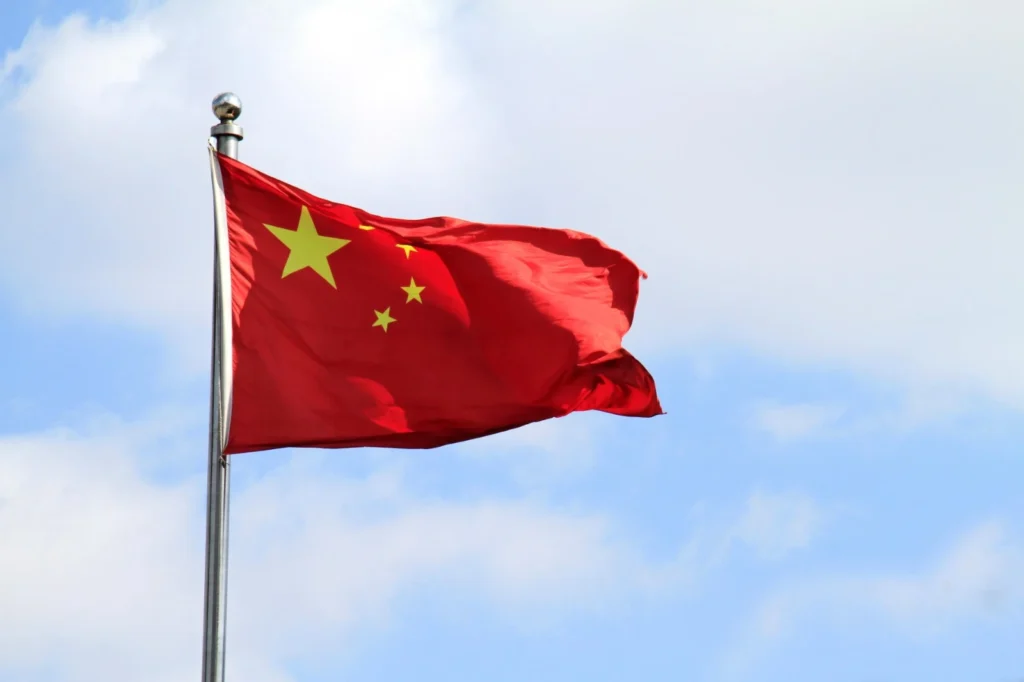
“Bridging the Gap: The Importance of Industry and Skill Integration in Education” Q1: How does a forum like this help us at a larger and broader scale? A1: This platform is an excellent opportunity for society, educationists, and students. It brings together people from various fields, including policymakers, e-tech players, educators, and industry representatives. Such a forum is rare, allowing for the exchange of ideas that can help meet the needs of society. Industry participation, in particular, is vital as it connects education to the skills required in the workforce, promoting practical learning that goes beyond classroom knowledge. Q2: Why is industry participation crucial in these forums? A2: Industry participation ensures that the skills students are taught align with the needs of the job market. The skills students acquire must be directly relevant to what industries need, ensuring that they are employable when they graduate. When industries share their requirements, educators can tailor their training programs to meet these needs, leading to better job readiness for students and helping reduce the skill gap. Q3: How does the mismatch between education and industry needs contribute to unemployment? A3: The issue isn’t that unemployment exists; in fact, there are many job opportunities. The problem is that graduates often lack the skills required by industries. This disconnect happens when education focuses primarily on theoretical knowledge, neglecting practical, industry-relevant skills. For example, the need for skilled labor in industries like construction and technology often goes unmet because education systems do not prioritize or teach these practical skills. Q4: Can you explain how skill-based education could help reduce unemployment? A4: If students are equipped with relevant skills during their education, they can directly contribute to the industries’ needs, reducing the unemployment rate. Industries today are looking for specific skill sets, not just academic qualifications. For example, skilled labor such as electricians or plumbers is in high demand but often overlooked by traditional education systems. If students learn these skills, they can be employed immediately and even start earning at a young age. Q5: What is the issue with how vocational skills are viewed in society? A5: In India, vocational skills like carpentry, plumbing, or masonry are often undervalued. Professions that require these skills are seen as less prestigious, and parents often discourage their children from pursuing them. However, these skills are essential for daily life and can lead to significant earnings. For example, a plumber may earn more than an MBA graduate. Society needs to respect the dignity of labor and understand the value of skilled trades. Q6: Why are countries like Japan and China progressing faster than India? A6: Japan and China are progressing faster because they respect and value skilled labor. In these countries, skills like welding, plumbing, and electrical work are taught from an early age and are highly respected. In India, however, there is a cultural taboo around manual labor, and many people believe these jobs are beneath their children. This mindset hinders progress and innovation, as it leads to a lack of skilled workers in essential fields.

Dr. M.V.V. Prasada Rao, Educationist & Advisor, Schools, Retd Director, CBSE said “The issue isn’t that unemployment exists; in fact, there are many job opportunities” Read More »