ArdorComm Media Group

Friday, March 20, 2026 7:56 PM

Author name: admin

Infosys and Aramco collaborate to advance HR tech

A Memorandum of Understanding (MoU) between Infosys and Aramco was inked to advance the HR technologies of the latter. Through this partnership, the two parties will work together to better understand and use HR data and analytics, accelerate automation and the usage of related tools, and enhance the employee experience through the use of artificial intelligence (AI). Infosys takes pride in its “globally benchmarked” learning and development initiatives. “Through this collaboration, we intend to bring our digital expertise and tools to Aramco’s HR practice to deliver a world-class employee experience,” said Ashiss Kumar Dash, EVP & global head of services, utilities, resources, and energy at Infosys. “By aiming to incorporate high-level AI and automation into their employee-management model, we will attempt to help Aramco scale and enhance their talent model,” he added. Aramco’s HR platform will integrate digital transformation practices and solutions from Infosys in order to improve employee digital experiences, which will boost engagement and productivity. Additionally, Infosys will use AI to close skill gaps in Aramco’s workforce, address challenges with employee learning and development, and ensure that talent is appropriate for the opportunities offered. In order to improve learning and training efficiency and decrease time and costs, this partnership will also attempt to assess how automation may replace boring and repetitive HR tasks. The algorithmic decision-making capability that will assist Aramco in keeping up with trends and locating appropriate recruitment channels would be beneficial to the company as well. SVP of human resources at Aramco, Faisal A. Al-Hajji, stated that “This collaboration will allow us to explore ways to further upgrade our focus on customer-centricity and transform our digital HR offerings.”  

Infosys and Aramco collaborate to advance HR tech Read More »

West Bengal government introduced a centralized online system for UG course admission

The West Bengal government has launched a centralized online admission system for all state-run, aided, or affiliated colleges and universities. The official notification stated that it would be operational beginning with the current academic year, or 2023–24. Through the single-window platform, students will be able to select the colleges of their choice without having to repeatedly pay admission fees to different institutions to block seats. The West Bengal State Council of Higher Education will maintain and run the online admission system, according to the announcement released on Monday by Principal Secretary Manish Jain. The council will also have a dedicated bank account where admission fees can be deposited. According to the statement, the council would transfer the admission fees to the appropriate educational institution within a month of the admissions process’ conclusion. However, the notification stated that the Higher Education Department may, at its discretion, exclude any course or institution from the purview of the centralized admission site. The government said that the centralized admission system was put in place in response to the difficulties faced by students who were required to apply to several colleges and universities by registering on individual institutions’ web portals and paying separate application fees. “A student had to take admission in a particular college within a specific time-frame, block the seat and apply in other institutions where admissions began later. As a result, the student had to pay multiple admission fees in various colleges and faced problems in getting a refund from institutions he or she did not take admission finally,” the notice stated. According to the notification, the Higher Education Department wanted to give every student the opportunity to choose the course they wanted to take, considering the need for consistency and transparency in the admissions system of colleges and universities that fall under its administrative control.

West Bengal government introduced a centralized online system for UG course admission Read More »

GlaxoSmithKline Pharmaceuticals Ltd. launches anti-shingles vaccine in India

Shingrix (Zoster Vaccine Recombinant, Adjuvanted) was launched in India on Monday by GlaxoSmithKline Pharmaceuticals Ltd. The vaccine is aimed to prevent post-herpetic neuralgia and shingles (herpes zoster) in individuals 50 years of age and older. According to a statement from the company, Shingrix is the first non-live, recombinant subunit vaccination to be administered intramuscularly in two doses. According to the manufacturer, the vaccine Shingrix can guard against shingles, which is brought on by the varicella zoster virus (VZV), which also causes chickenpox, for at least 10 years. Managing Director of GlaxoSmithKline Pharmaceuticals Limited, Bhushan Akshikar, commented on the launch, saying, “GSK is pleased to bring Shingrix to protect India’s 260 million adults above 50 years of age from shingles and its complications. Existing treatment options may not give complete relief from this pain. Vaccination is the only effective preventive option. We are pleased to add Shingrix to our adult vaccination portfolio and make it available across the nation.” According to the statement, the vaccine has a proven efficacy rate of over 90% against shingles. In 2017, the US Food and Drug Administration (FDA) approved Shingrix for the treatment of persons 50 years of age or older who are at risk of developing shingles. Shingrix received approval from the European Commission in 2018 to be used in individuals 50 years of age or older as shingles prevention. More than 90% of Indian participants in a seroprevalence study had this virus in their bodies by the age of 40, making them susceptible to developing shingles. A painful rash result from shingles. In every case, the rash goes away, but the pain frequently lasts for months or years. Post-herpetic neuralgia (PHN) is the medical term for this pain. Due to decreased immunity, people over 50 and those with long-term illnesses such diabetes, heart disease, and kidney disease are more likely to develop shingles. In elderly folks, shingles can also result in consequences like hearing loss and vision loss. Shingrix is a non-live vaccine, according to the company, so it can be given to anyone over 50 who are immunosuppressed or weakened and may be at an increased risk of developing Shingles.  

GlaxoSmithKline Pharmaceuticals Ltd. launches anti-shingles vaccine in India Read More »

ESG task force for sustainability to be established shortly for textiles sector, according to Goyal

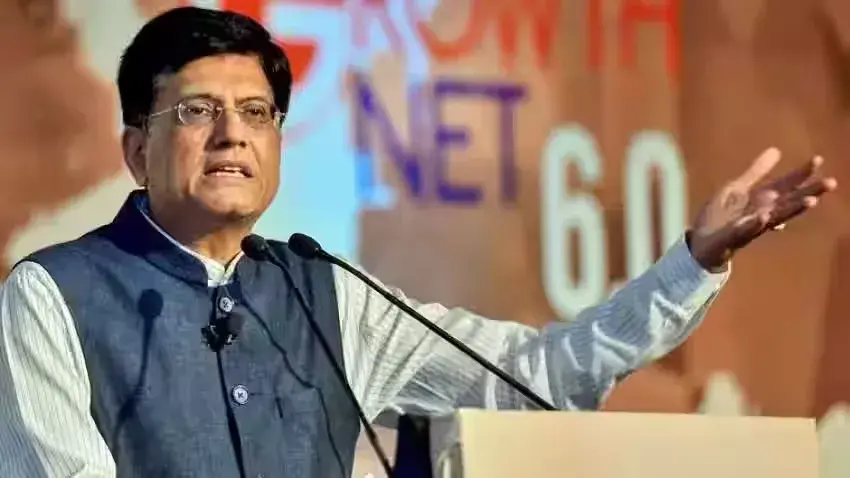
In order to support India’s commitment to sustainability, an ESG (environmental, social, and governance) task force will be established in the textiles sector, Piyush Goyal, Union Minister of Textiles, Consumer Affairs, Food and Public Distribution, and Commerce and Industry, announced on Saturday during the soft launch of the Ministry of Textiles’ e-commerce website for handloom and handicrafts in Rajkot, Gujarat. Gujarat Chief Minister Bhupendrabhai Patel also attended the event, which was a part of the “Saurashtra Tamil Sangamam.” The Union Minister attended the Chintan Shivir, which took place during the two-day event in Somnath and Rajkot, where discussions on many facets of the industry were held alongside officials from the Ministry of Textiles. Speaking at the event, Goyal stated that productive discussions about boosting the vibrancy of the textile industry had taken place. He continued by saying that some exporters and manufacturers receive certification for environmental, social, and governance (ESG) compliance, which assures them two times the value. To ensure this certification for more exporters and producers, efforts are being made. The minister also discussed the textile industry’s 2030 export target of attaining $100 billion and its 2030 overall target of $250 billion. Goyal stated that one of PM Narendra Modi’s five commitments were that in order to move forward with assurance, we must return to our roots. According to him, Gujarat and Tamil Nadu have a common history and culture in addition to having a robust traditional and modern textile sector.  

ESG task force for sustainability to be established shortly for textiles sector, according to Goyal Read More »

HCLTech plans to hire 15,000 freshers in FY24

HCLTech, one of the few large IT firms that onboarded all of the freshers it hired in FY23, wants to keep the campus recruitment trend going in FY24 to lessen reliance on laterals. “Our aim is to see how best we can train freshers and utilise them on projects. Our supply side planning metrics show that they can be absorbed,” CEO C Vijayakumar said. In FY23, the company hired nearly 27,000 freshers. Some of them are still getting training, according to Vijayakumar. HCLTech, the only major IT services company to provide figures for the year, has stated that 15,000 new employees will be hired in FY24. According to Vijayakumar, there are some long-term projects in industries such as manufacturing and hi-tech where clients are cutting back on tech spending, forcing some personnel on these projects to sit on the side-lines. Source: TOI

HCLTech plans to hire 15,000 freshers in FY24 Read More »

IIM Bodh Gaya introduces a corporate law executive certificate programme

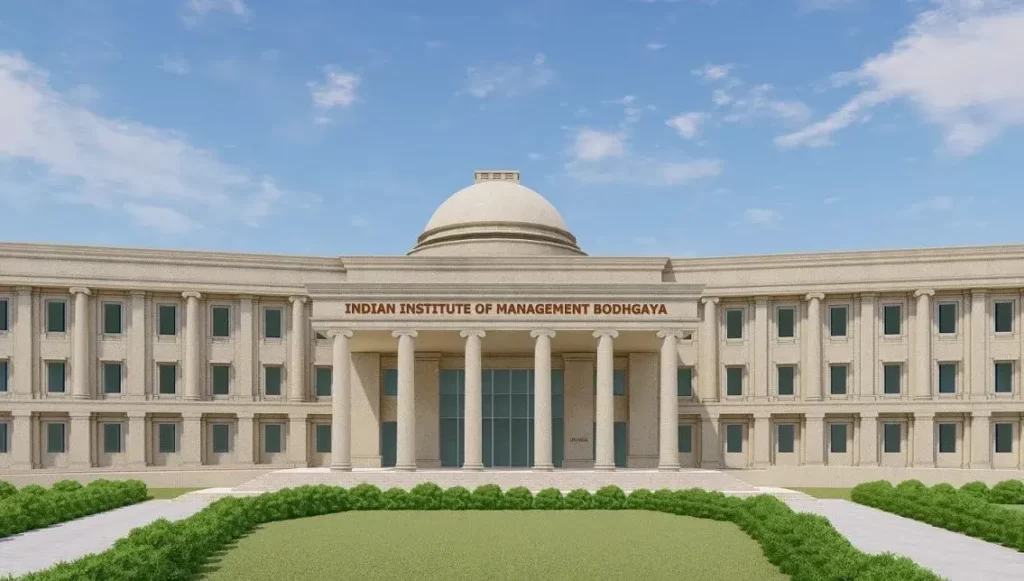
An executive certificate programme in corporate law has been introduced by the Indian Institute of Management (IIM), Bodh Gaya. The programme, which lasts for 10 months, is intended for professionals. The programme will end on February 1st, 2024. Candidates interested in applying may visit the official website at iimbg.ac.in. The purpose of this certificate programme is to instruct professionals about corporate laws and how they relate to various business-related challenges. Corporate governance, regulatory concerns, and developing and carrying out sensible financial strategies under the influence of the law will all be covered. The program’s directors, Professors Sabyasachi Mohapatra, an Associate Professor of Finance and Accounting, and Professor Soumya Prakash Patra, an Assistant Professor of law and public policy, attended the program’s launch together with Professor Vinita S. Sahay, Director of IIM Bodh Gaya. Attendees at the inauguration ceremony included candidates who have taken up the course. Professor Patra said at the ceremony that “the batch profile is dynamic in nature, which has participants of 30 years of experience to 1.8 years of experience.” Participants who have met all of the course’s criteria (attendance and evaluation) will receive a “Certificate of Completion” at the end of the programme.  

IIM Bodh Gaya introduces a corporate law executive certificate programme Read More »

India will have 146 carbon-neutral airports by 2025, according to Jyotiraditya Scindia

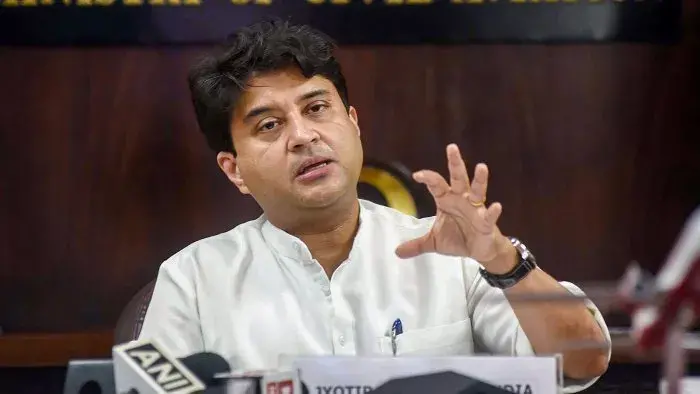
As part of his push for sustainable transport, Union Aviation Minister Jyotiraditya Scindia stated on Thursday that by 2025, 121 new airports would be completely carbon neutral. There are already roughly 25 airports in India that only use green energy, according to Scindia. Scindia emphasised that India and the European Union share a common purpose in addressing climate change when speaking remotely at the two-day EU-India aviation meeting after testing positive for Covid19. The aviation sector has adopted a number of actions to reduce its carbon footprint and mitigate emissions in response to mounting demand to do so. In order to encourage airports to use 100% green energy by 2024 and attain net-zero emissions by 2030, according to Scindia, the Indian government has pushed through a number of policies in the sector. 25 AAI airports have already reached this goal, and 121 more are anticipated to do the same by 2025, according to Scindia. As part of the bid documents for future airports, the government has enforced the usage of renewable energy, the Union Aviation Minister also stated. Additionally, we are attempting to promote the usage of sustainable aviation fuel. Indian airline operators have already used biofuel that has been blended with ATF in demonstration flights, according to Scindia. While urging EU members to collaborate with India in the development of adaptable technologies to assist the goal of reducing emissions from the aviation industry, Scindia said that India has changed its legislative framework to boost aircraft production in the nation. The government has lowered the GST rate on maintenance, repair, and overhaul (MRO) services from 18% to 5% and permitted 100 percent foreign direct investment in the industry to improve the regulatory environment for MRO service providers. To make it easier for MRO service providers to conduct business, additional new maintenance, repair, and overhaul (MRO) criteria have been introduced. Scindia urged participants in the EU aviation industry to seize these chances and join the world’s aviation market which is expanding rapidly. The EU-India aviation summit, which began on Thursday, will concentrate on the two regions’ air transport relations, the post-Covid recovery of air traffic, enhancing sustainability, ensuring safety, and developing unmanned aircraft systems.  

India will have 146 carbon-neutral airports by 2025, according to Jyotiraditya Scindia Read More »

Apple’s workforce in India might increase to 200,000: Report

Apple formally launched two of its India stores this week in Delhi and Mumbai after a long wait, but that’s not all. There are indications that the company may double the number of people working at its contract manufacturing facilities in the nation, to over 200,000. Apple’s CEO, Tim Cook, has asked the government for assistance so that Apple can increase the number of Indian component suppliers it works with. Cook has also urged the Indian government for help in preparing the workforce there to meet Apple’s needs. Apple’s primary focus in India is on contract manufacturers’ iPhone assembly lines. The company, though, wants to expand its offerings to include iPads and AirPods as well. Currently, Apple’s three Indian suppliers—Foxconn, Pegatron, and Wistron—are in charge of assembling its iPhones. According to a report cited by PTI, Apple has created 100,000 employment in India. It’s interesting to note that women in blue-collar jobs account for the majority of roles, roughly 72%. The report also emphasizes that many of the women workers are first-time job seekers and that the majority of these employment have only been available for 20 months. According to reports, there is a lot of room for expansion, investments, job creation, and export opportunities in the relationship between Apple and India. As part of its efforts to lessen its dependence on China, Apple has been seeking to increase the size of its production facilities in India. Currently, Foxconn and Wistron Corp., two Taiwanese electronics manufacturers, are in charge of assembling Apple products like iPhones in India.

Apple’s workforce in India might increase to 200,000: Report Read More »

Active COVID cases in the country have risen to 66,170

According to data published on Friday by the Union Health Ministry, India has recorded 11,692 new coronavirus infections, with 66,170 active cases. The death toll has risen to 5,31,258 with 28 deaths, including nine confirmed by Kerala, according to data updated at 8 a.m. The number of COVID cases is 4.48 crore (4,48,69,684). According to the ministry, the national COVID-19 recovery rate has been recorded at 98.67%, and the active cases currently make up 0.15 percent of all infections. A record 4,42,72,256 people have been cured of the disease, while the case fatality rate is 1.18 percent.According to the ministry’s website, 220.66 crore doses of the COVID vaccine have been administered throughout the country so far as part of the nationwide vaccination drive.  

Active COVID cases in the country have risen to 66,170 Read More »

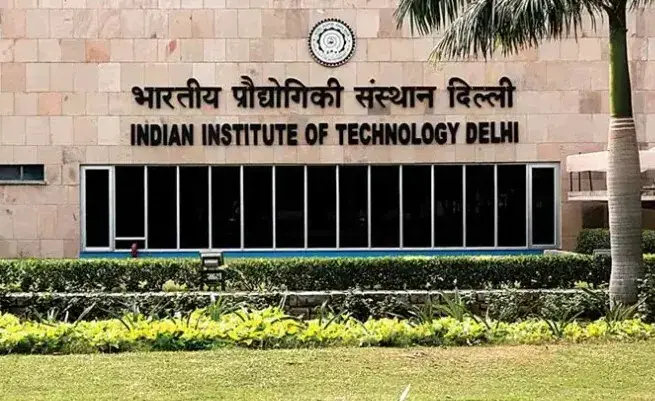
IITs to adopt the National Credit Framework 

The National Credit Framework (NCrF) will be adopted by all 23 Indian Institute of Technology (IITs). This decision was made at an IIT Council meeting held on April 18 at IIT Bhubaneswar. The National Education Policy 2020 envisions making education more comprehensive and effective and emphasises the convergence of general (academic) education and vocational education, the UGC chairman said during his presentation on NCrF to the council. To realise this objective, a national credit accumulation and transfer system is required. A High-Level Committee was established by the Indian government, with representatives from the UGC, AICTE, NCVET, NIOS, CBSE, NCERT, DGT, Ministry of Education, and Ministry of Skill Development. The directors of all 23 IITs as well as Chairman UGC Mamidala Jagadesh Kumar attended this meeting, which was presided over by Education Minister Shri Dharmendra Pradhan. Following the UGC Chairman’s presentation, the IIT Council unanimously resolved to adopt and implement the National Credit Framework for all IITs. Additionally, Kumar asserted that the IITs had held awareness workshops for each region. The North Zone workshop was held on November 21, 2022 at IIT Delhi, the East Zone workshop was held on November 24, 2022 at IIT Bhubaneswar, the North East Zone workshop was held on November 26, 2022 at IIT Guwahati, the West Zone workshop was held on November 28, 2022 at IIT Bombay, and the South Zone workshop was held on November 29, 2022 at IIT Madras.

IITs to adopt the National Credit Framework  Read More »