ArdorComm Media Group

Monday, August 3, 2026 8:27 PM

community

 Relief for Government Employees: 7th Pay Commission Arrears Set to Be Cleared, High Court Directs Action

In a significant development, former and current government employees are set to receive relief regarding their pending 7th Pay Commission arrears. The Municipal Corporation of Delhi (MCD) has assured the Delhi High Court of its commitment to expedite the clearance of these arrears, providing a ray of hope for affected individuals. During the court proceedings, representatives from the MCD affirmed their dedication to resolving the issue of outstanding arrears related to the 7th Pay Commission recommendations. It was revealed that an amount of approximately Rs. 738 crore, referred to as “basic tax assignment,” is anticipated from the Delhi government, which will facilitate the prompt disbursement of arrears to the employees. Furthermore, the MCD has pledged to address the retirement benefits of former employees within a timeframe of 12 weeks. Additionally, the corporation has undertaken to ensure timely payment of salaries and pensions for both current and former employees in the future. The High Court bench, chaired by Acting Chief Justice Manmohan and Justice Manmeet Pritam Singh Arora, emphasized the importance of fulfilling these commitments. It directed the Delhi government to release the Rs. 738 crore 7th CPC arrears within a stringent timeframe of just 10 working days. Failure to adhere to these commitments could lead to contempt proceedings against the MCD Commissioner, as emphasized by the court. To monitor progress closely, the case has been scheduled for compliance review on July 23, 2024. While the Delhi government has assured the court that necessary paperwork is underway for the payment process, it has requested an extension until April 25 to complete the formalities. The case underscores the Delhi High Court’s proactive stance in addressing delayed salary and pension payments under the 7th Pay Commission, as well as outstanding arrears. The court’s intervention reflects its commitment to safeguarding the rights and welfare of government employees affected by these delays.
 Relief for Government Employees: 7th Pay Commission Arrears Set to Be Cleared, High Court Directs Action Read More »

India Emerges as Global Cancer Capital, Witnessing Alarming Surge in Cases, Reports Apollo Hospitals

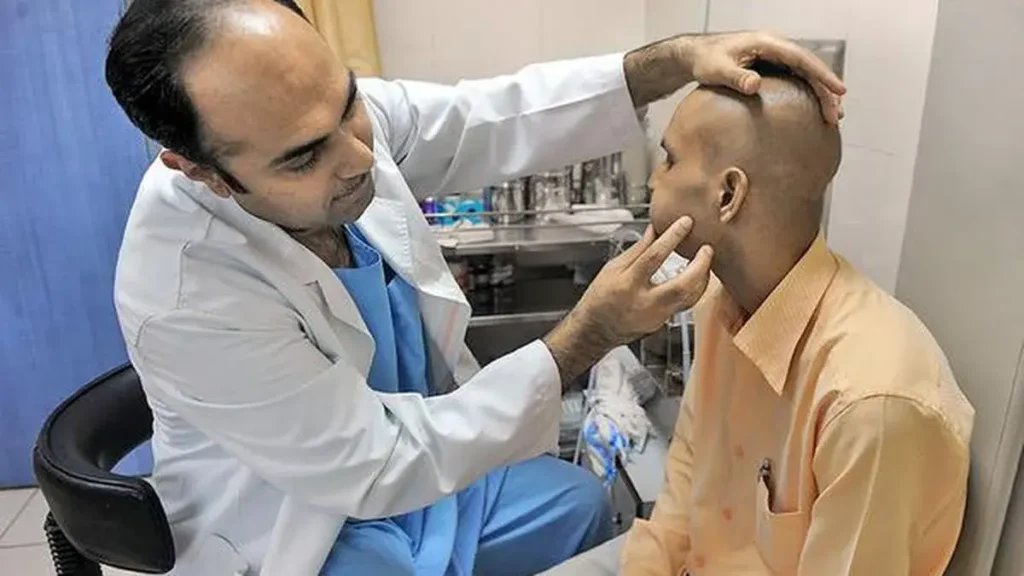
A recent study by Apollo Hospitals reveals concerning trends in non-communicable diseases (NCDs) across India, with cancer cases witnessing an unprecedented rise. The 4th edition of the Health of Nation Report, released on World Health Day 2024, designates India as the “cancer capital of the world.” The report highlights a surge in NCDs such as cancer, diabetes, hypertension, cardiovascular diseases, and mental health disorders, significantly impacting the nation’s health landscape. Disturbingly, one in three Indians is pre-diabetic, two in three are pre-hypertensive, and one in 10 suffers from depression. Key Insights: Cancer cases in India have surpassed global rates, with the country experiencing a surge in diagnoses, particularly among younger demographics. Despite the lower median age for cancer diagnosis, cancer screening rates in India remain alarmingly low. Breast cancer, cervix cancer, and ovarian cancer are prevalent among women, while lung cancer, mouth cancer, and prostate cancer are common among men. Report Findings: Obesity rates have doubled from 9 percent in 2016 to 20 percent in 2023, while hypertension cases have risen from 9 percent to 13 percent during the same period. A significant proportion of Indians are at risk for obstructive sleep apnea, highlighting the need for urgent health interventions. The report underscores the critical need for regular health screenings to monitor conditions like obesity and hypertension, thereby reducing the risk of cardiac-related ailments. Dr. Preetha Reddy, Vice Chairperson of Apollo Hospitals, advocates for collective efforts to combat NCDs through education and personalised preventive healthcare solutions. Dr. Madhu Sasidhar, President & CEO of Apollo Hospitals, emphasizes the importance of innovation in preventive healthcare and improved accessibility, leveraging technology for accurate diagnosis and patient-centric treatment methodologies. The findings of the report underscore the urgent need for unified action to address the growing epidemic of NCDs in India. Prioritising investments in health infrastructure, promoting preventive healthcare measures, and addressing health inequities are crucial steps towards sustainable development in the health sector.  

India Emerges as Global Cancer Capital, Witnessing Alarming Surge in Cases, Reports Apollo Hospitals Read More »

WBCHSE Announces Overhaul of HS Curriculum: New Subjects and Mark Structure Changes

The West Bengal Council of Higher Secondary Education (WBCHSE) has introduced significant changes to the Higher Secondary curriculum, set to be implemented from this academic year onwards. These alterations will impact students registering from the 2024-25 session. Among the key revisions are adjustments to the marks structure and the introduction of new subjects. In a bid to enhance the quality of education, the marks structure for health and physical education, music, and visual arts has been revamped. Notably, the theory component of health and family education has been augmented from 40 to 70 marks, with the practical component now accounting for 30 percent of the overall assessment. Similarly, both music and visual arts will now carry 50 marks each for theory and practical aspects. In response to changing educational trends and student preferences, certain language subjects such as Punjabi, Gujarati, and French have been discontinued due to low registration numbers. Conversely, the curriculum now incorporates vocational subjects aligned with contemporary industry demands, including banking financial services and insurance, food processing, and telecom. Furthermore, the WBCHSE has introduced new subjects to enrich the academic landscape. Applied artificial intelligence, cyber security, and the science of well-being are among the innovative additions aimed at equipping students with relevant skills for the future. Alongside these changes, the council has undertaken a restructuring of subject names and codes. For instance, home management and family resource (HMFR) will now be known as human development and resource management (HDRM), while agronomy (AGNM) has been rebranded as agriculture (AGRI). Additionally, the health and physical education subject (PHED) will retain its name but undergo a change in its designated code to HPED. The WBCHSE’s curriculum overhaul underscores its commitment to adapting to evolving educational paradigms and ensuring students are equipped with pertinent knowledge and skills. These modifications reflect a proactive approach to addressing the needs of both learners and the contemporary job market.  

WBCHSE Announces Overhaul of HS Curriculum: New Subjects and Mark Structure Changes Read More »

CISCE Updates Class 11 and 12 Syllabus for 2024-25 Academic Year

The Council for the Indian School Certificate Examinations (CISCE) has announced revisions to the syllabus for Class 11 and Class 12. The updated syllabus for the Indian School Certificate (ISC) is now available on the Council’s official website, cisce.org, under the ‘Library (Publications)’ section. For Class 12, CISCE has introduced changes to the syllabus in various subjects, including physics, chemistry, mathematics, history, commerce, accounts, geography, political science, sociology, psychology, and legal studies. However, the syllabus for the remaining subjects remains unchanged, as confirmed by the Council. In the case of Class 11, alterations have been made to the syllabus for subjects such as chemistry, mathematics, biology, and history, while the syllabus for other subjects remains unaffected. CISCE has directed the heads of schools to ensure that all students, teachers, parents, and guardians are informed about these updates to the syllabus. The revised ISC Class 12 syllabus for the academic year 2024-25 and the revised syllabus for Class 11 can be accessed on the CISCE website at the following links: ISC Class 12 Revised Syllabus 2025 ISC 2026 Syllabus

CISCE Updates Class 11 and 12 Syllabus for 2024-25 Academic Year Read More »

CBFC Approves Ajay Devgn’s “Maidaan” Unedited, Requests Additions

The Central Board of Film Certification (CBFC) has granted clearance to Ajay Devgn’s upcoming movie “Maidaan” without any cuts. Based on a real-life incident and featuring Devgn as a football coach, the film spans over three hours in duration. No edits were requested by the CBFC for the film directed by Amit Ravindernath Sharma. However, the board has mandated a few additions to the movie. Among these additions is a disclaimer stipulating that “Maidaan” is a fictionalized account inspired by true events from the public domain, legendary football players’ perspectives, and writers’ research, with elements of fiction added for dramatic effect. The disclaimer also clarifies that certain dialogues are for dramatic purposes only and not intended to incite lawlessness. Additionally, the film must include anti-smoking messages during scenes depicting characters smoking, as per CBFC guidelines. Furthermore, the end credits are required to be presented in both Hindi and English. According to reports, the film’s runtime is 3 hours, 1 minute, and 30 seconds (181.30 minutes). “Maidaan” narrates the story of Syed Abdul Rahim, portrayed by Devgn, who served as a prominent football coach and manager of the Indian football team, contributing significantly to the advancement of Indian football. The movie also stars Priyamani, Gajraj Rao, and Rudranil Ghosh in pivotal roles. Despite facing numerous delays since its inception, including disruptions caused by the COVID-19 lockdown and cyclones, “Maidaan” is set to hit theaters on April 10, coinciding with the release of “Bade Miyaan Chhote Miyan.”  

CBFC Approves Ajay Devgn’s “Maidaan” Unedited, Requests Additions Read More »

Health Ministry Issues Guidelines Ahead of Summer Heatwave: Key Precautions

As the summer season approaches, the Ministry of Health has taken proactive steps to ensure public safety amidst rising temperatures and potential heatwaves. Here are the key precautions outlined by the Ministry following a review meeting led by Union Health Minister, Dr. Mansukh Mandaviya: Review Meeting Highlights: The Union Health Minister chaired a review meeting with stakeholders to assess preparedness in tackling heat-related illnesses. Dr. Bharati Pawar, MoS (Health), Dr. V K Paul, Member (Health) at NITI Aayog, and Shri Apurva Chandra, Secretary (Health), were among the dignitaries present. Importance of Awareness: Dr. Mansukh Mandaviya emphasized the importance of continuous efforts to generate awareness among people for better management of heatwaves. Timely and wide-reaching awareness can significantly reduce the severe impact of heatwaves. Guidelines for Heatwave Management: Dos: Stay hydrated Block direct sunlight Remain covered Stay indoors during 12 pm – 4 pm Don’ts: Avoid going out between 12 pm to 4 pm Minimize outdoor activities in the sun Avoid cooking from 2 pm to 4 pm Never leave kids and pets unattended inside a vehicle Avoid alcohol, tea, coffee, sugary drinks, and fizzy drinks Refrain from walking barefoot Additional Precautions: Monitor the health of elderly or sick individuals living alone daily. Keep homes cool using curtains, shutters, or sunshades, and open windows at night. Prefer lower floors during the day and use fans and damp clothes to cool down the body. These guidelines supplement earlier precautions provided by the Health Ministry to combat the effects of rising temperatures. By adhering to these measures, individuals can mitigate the risks associated with heat-related illnesses and ensure their well-being during the summer months.  

Health Ministry Issues Guidelines Ahead of Summer Heatwave: Key Precautions Read More »

Unlocking Learning Potential: Embracing Open-Book Exams in Higher Education

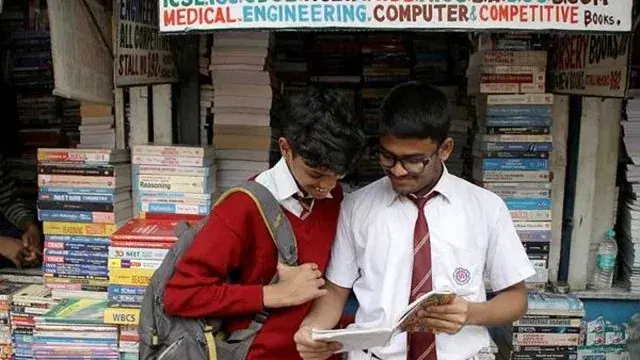
In the wake of transformative changes in Indian education post-COVID, the paradigm shift towards online learning has brought forth an array of challenges and opportunities. As institutions adapt to this new normal, the realm of assessments undergoes a profound evolution, with open-book exams emerging as a promising avenue. Dr. Selvam Jesiah, a distinguished Professor of Management at Sri Ramachandra Institute of Higher Education and Research, Chennai, sheds light on the merits and hurdles of integrating open-book assessments in higher education. Dr. Jesiah underscores the pedagogical significance of open-book exams, emphasizing their capacity to foster deep learning and critical thinking while alleviating stress among students. Citing the All India Council for Technical Education’s endorsement, he highlights the alignment of open-book assessments with Bloom’s Taxonomy, designed to cultivate higher-order cognitive skills essential for holistic development. However, Dr. Jesiah cautions against misconceptions surrounding open-book assessments, clarifying that it demands rigorous preparation and active engagement from both educators and learners. He delineates the nuanced approach required in framing questions that necessitate analytical reasoning and application of concepts, rather than mere regurgitation of information. Moreover, he emphasizes the indispensable role of teachers in guiding students towards a comprehensive understanding of the subject matter, indispensable for navigating open-book exams effectively. Yet, transitioning towards open-book assessments presents formidable challenges. Dr. Jesiah identifies the imperative of teacher training and mindset realignment as pivotal in ensuring the efficacy of this evaluation method. Crafting question papers that stimulate critical thinking poses a formidable task, demanding concerted efforts to recalibrate traditional assessment practices. Moreover, Dr. Jesiah advocates for a nuanced consideration of students’ socio-economic backgrounds, recognizing disparities in access to resources and technology. Addressing these inequities entails reimagining examination infrastructure and support mechanisms to accommodate diverse learning needs. In conclusion, Dr. Jesiah emphasizes the collective responsibility of administrators, educators, and students in navigating the complexities of open-book assessments. By embracing a paradigm shift in assessment practices, he envisions a transformative learning landscape where the cultivation of higher-order thinking skills takes precedence over rote memorization. Through collaborative efforts and a steadfast commitment to pedagogical innovation, Dr. Jesiah envisages a future where open-book exams serve as catalysts for fostering a generation of adept critical thinkers and problem solvers. Source: The Hindu  

Unlocking Learning Potential: Embracing Open-Book Exams in Higher Education Read More »

King’s College UK Expands to Gurugram, Redefining Education in North India

Global Educational Ventures (GEV) and SVIET have joined forces to introduce a branch of the renowned King’s College UK in Gurugram, marking a significant leap in reshaping educational standards across North India. The formal agreement signing took place at the iconic Burj Al Arab in Dubai, graced by distinguished personalities from the King’s College board and beyond. Among the esteemed guests were Michael Sloan, the headmaster of King’s College, Justin Chippendale, director of International Schools of King’s College, and Simon Worthy, responsible for the administration and finance of King’s College. Linda Nash, Chair of Governors at King’s College, also graced the occasion alongside other notable figures. Richard Biggs, CEO of GEV and Managing Trustee of SVIET, orchestrated the signing ceremony, emphasizing GEV’s steadfast dedication to supporting this transformative initiative. Dr. Zoltan Fodor, a board governor from Hungary, extended congratulations and elaborated on the educational philosophy guiding the institute’s journey ahead. Michelle Schneider, a board of governor of King’s College UK Gurugram, expressed gratitude to all stakeholders for their support, pledging to uphold the esteemed legacy and unwavering standards of King’s College. Dirk Leidinger, another board member of the upcoming King’s College wing in Gurugram, outlined the school’s vision and articulated plans to maintain the high standards, ethos, and values synonymous with King’s College.  

King’s College UK Expands to Gurugram, Redefining Education in North India Read More »

Fincare SFB Completes Merger with AU SFB, Bolstering Distribution Network

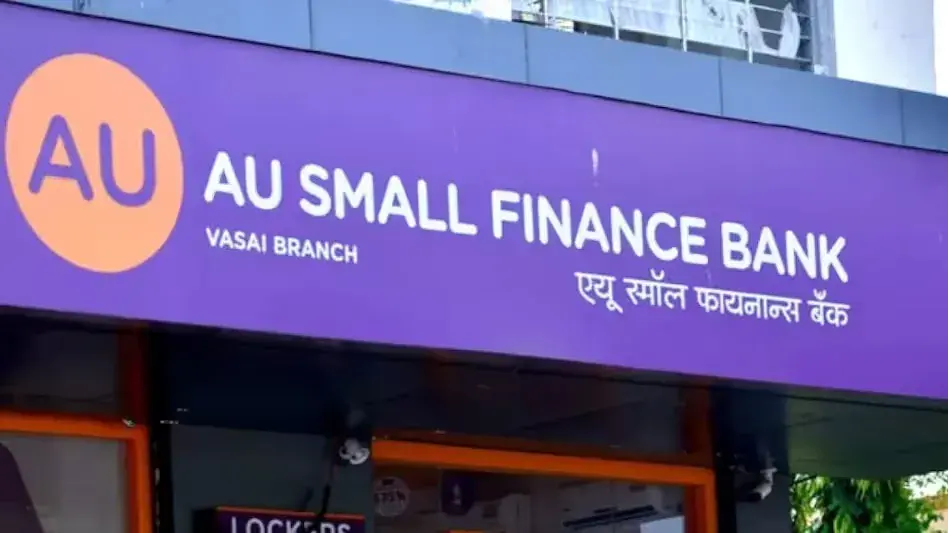
AU Small Finance Bank (AU SFB) finalized its merger with Fincare Small Finance Bank (Fincare SFB) on Monday, marking a significant consolidation within the sector and expanding AU SFB’s footprint. The all-stock merger, initially announced on October 29, 2023, concluded with shareholders of Fincare SFB receiving 579 equity shares in AU SFB for every 2,000 equity shares held in Fincare SFB. With the RBI granting final approval on March 4, 2024, the merger’s effective date is set for April 1, 2024. The amalgamation is poised to offer AU SFB enhanced access to South India, thereby augmenting its distribution network. This expanded presence will facilitate the dissemination of a diverse array of products and services to a broader customer base, fortifying the bank’s market standing in the region. Post-merger, AU SFB boasts a combined customer base of approximately 10 million, supported by 43,500 employees and a network of 2,350 physical touchpoints spanning 25 states and union territories. The bank’s deposit base stands at Rs 89,854 crore, with a balance sheet size of Rs 116,695 crore. The immediate focus now shifts towards ensuring a seamless integration over the next 9-12 months, prioritizing the delivery of exceptional banking services and value to customers. To mitigate potential disruptions, both banks, characterized by their tech-driven operations and customer-centric approach, have established a dedicated task force and equipped their call centers to address customer queries effectively. Sanjay Agarwal, MD and CEO of AU Small Finance Bank, expressed gratitude to the Government of India, the Reserve Bank of India, and regulatory authorities for their support and swift approval process. The merger, he emphasized, signifies not only the amalgamation of two entities but also the convergence of shared visions aimed at redefining banking excellence in India. The establishment of Small Finance Banks in 2015, with licenses granted to ten entities, underscores the sector’s commitment to providing basic banking services to small farmers and micro industries.

Fincare SFB Completes Merger with AU SFB, Bolstering Distribution Network Read More »

PM Modi’s Third Term: Blueprint for First 100 Days Revealed

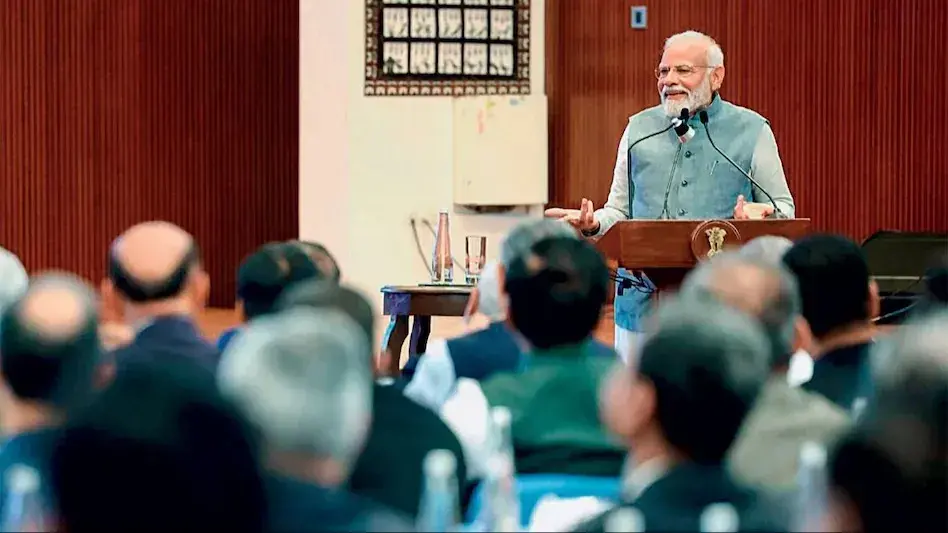
Prime Minister Narendra Modi has convened discussions with his Council of Ministers to strategize the agenda for the first 100 days of his government’s potential third term, focusing on sustaining economic growth. The roadmap, dubbed Viksit Bharat (Developed India) by 2047, outlines ambitious goals across various sectors. While specifics of the plan remain undisclosed, insiders suggest a comprehensive strategy encompassing economic growth, sustainable development, infrastructure enhancement, and social welfare initiatives. This initiative comes amidst preparations for the upcoming General Elections, set to engage 978 million voters across seven phases. Traditionally, the Model Code of Conduct (MCC) period witnesses a policy lull, with caretaker governments refraining from major decisions. However, PM Modi aims to maintain economic momentum during this phase, ensuring a seamless transition post-elections. The proposed agenda aligns with India’s growth trajectory, with an estimated 7.6% GDP growth projected for FY 2023–24. To fully address post-pandemic challenges, the government emphasizes employment generation, private sector investment, and rural development. Anil K. Sood, a Professor, stresses the need for robust policy measures to enhance youth employment opportunities, advocating for government-led initiatives in critical sectors. Similarly, Vinay K. Srivastava, an Associate Professor, underscores the importance of boosting private consumption and quality infrastructure investment. While awaiting detailed specifics, the government’s focus on economic revitalization and sustainable development sets the tone for its anticipated third term. Clarity on long-term priorities is anticipated with the presentation of the full Budget for 2024-25 in July.

PM Modi’s Third Term: Blueprint for First 100 Days Revealed Read More »