ArdorComm Media Group

Tuesday, August 4, 2026 2:54 AM

community

Delhi Allocates ₹8,600 Crore for Health Sector in 2024-25 Budget, Striving for “Ram Rajya”

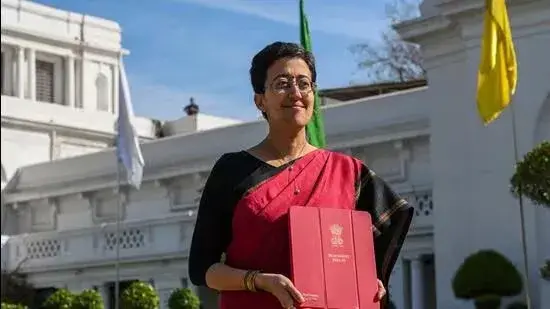
Delhi’s finance minister, Atishi, unveiled the 2024-25 budget with a focus on healthcare, allocating ₹8,685 crore for the health sector. The budget, with an overall outlay of ₹76,000 crore, reflects the government’s commitment to transforming Delhi’s healthcare system and realizing the vision of “Ram Rajya.” Atishi emphasized the significant progress made in healthcare under the Arvind Kejriwal-led administration over the past nine years, describing the transition from helplessness to strength. She highlighted the dire state of Delhi’s hospitals before 2014, emphasizing the government’s efforts to improve conditions and provide quality healthcare services to all residents. Quoting from Tulsidas’ Ramcharitmanas, Atishi underscored the importance of ensuring the good health of every individual, aligning with the principles of “Ram Rajya.” She lamented the distance between this vision and the current reality but expressed determination to bridge the gap through robust healthcare initiatives. The allocated budget for the health sector marks a strategic investment in improving medical infrastructure, enhancing services, and ensuring accessibility for all citizens. Atishi outlined plans to address various challenges faced by Delhi’s healthcare system, including the provision of adequate funds for essential medical services and facilities. Despite challenges posed by disputes with the lieutenant governor and the Union government, the Delhi government remains committed to advancing healthcare initiatives and overcoming obstacles to deliver quality care to residents. Atishi’s budget presentation reflects a comprehensive approach to healthcare governance, aiming to create a healthier and more resilient Delhi for all its inhabitants.  

Delhi Allocates ₹8,600 Crore for Health Sector in 2024-25 Budget, Striving for “Ram Rajya” Read More »

Nepal’s Political Landscape Shifts as Maoist Centre-Nepali Congress Coalition Crumbles

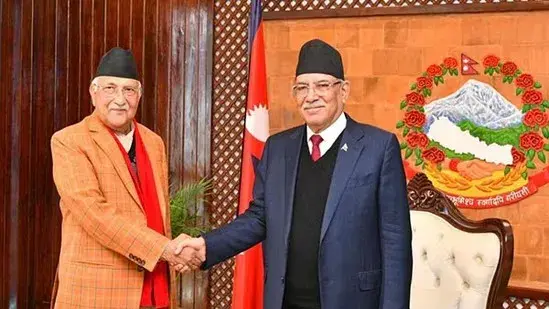
The political landscape in Nepal witnessed a seismic shift as the coalition government between the Communist Party of Nepal (Maoist Centre) and the Nepali Congress, led by Sheh Bahadur Deuba, collapsed. Former Finance Minister Surendra Pandey announced on Facebook that Prime Minister Pushpa Kumar Dahal would swear in a new council of ministers on Monday, ushering in a fresh coalition government. The new coalition, dubbed the Left Alliance, will comprise four political parties: the Communist Party of Nepal (Maoist Centre) under Prime Minister Pushpa Kumar Dahal’s leadership, the Communist Party of Nepal-Unified Marxist Leninist (CPN-UML), the Rastriya Swatantra Party, and the Janata Samajbadi Party. Prime Minister Dahal, known for his political maneuvering, is set to retain his position, with ministers recommended by the coalition parties expected to join the new cabinet. The collapse of the Maoist Centre-Nepali Congress coalition was precipitated by a dispute over the chairmanship of the National Assembly. The Maoist Centre’s decision to contest for the position sparked tensions with the Nepali Congress, leading to the dissolution of the fragile alliance. Despite previous assurances from Prime Minister Dahal to support the Nepali Congress in the National Assembly chairmanship election, the Maoist Centre opted to field its candidate, exacerbating the rift between the two parties. The upcoming election for the National Assembly Chairman, scheduled for March 12, has intensified political tensions, with parties vying for control over key positions in Nepal’s legislative bodies. As Nepal navigates through this period of political turbulence, the realignment of alliances and the pursuit of power dynamics within the government underscore the challenges of maintaining stability in the Himalayan nation.

Nepal’s Political Landscape Shifts as Maoist Centre-Nepali Congress Coalition Crumbles Read More »

Indian Army’s HR Policy Shifts Focus to Specialisation, Colonel Prasad Bansod Leads the Way

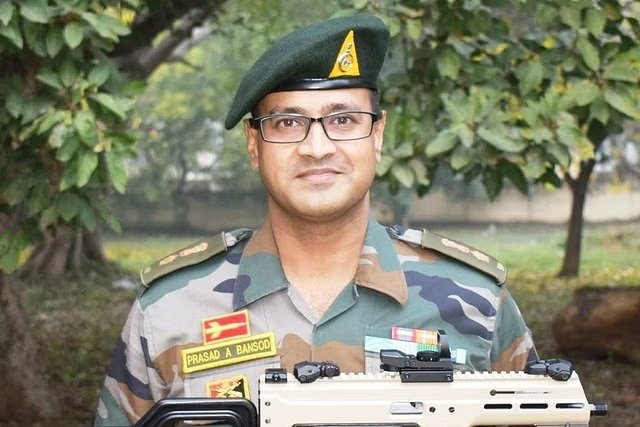
The Indian Army has ushered in a new era of specialisation with its revamped Human Resource (HR) policy, effective from January 1, 2024, aiming to retain expertise in critical fields. Under this policy, officers above the rank of Lieutenant Colonel are now permitted to continue working in specialized domains rather than transitioning to command positions, marking a significant departure from previous norms. Previously, the promotion to Colonel often necessitated officers to assume command roles, leading to a loss of specialized skills in fields such as Artificial Intelligence (AI), space technology, Information Technology (IT), nanotechnology, robotics, and weapons design. However, the new policy aims to retain specialist officers, bolstering the Army’s capabilities in emerging domains. In a landmark development, Lieutenant Colonel Prasad Bansod emerged as the first beneficiary of this policy shift, securing promotion to the rank of Colonel while serving on deputation with the Defence Research and Development Organisation’s (DRDO) small arms laboratory. Bansod’s expertise in weapon design culminated in the development of the ‘Asmi,’ a 9 mm carbine currently undergoing limited series production. Bansod’s promotion underscores the Army’s commitment to recognizing and harnessing specialist talent, enabling officers to pursue their areas of expertise without compromising on career advancement. His promotion signals a departure from the conventional trajectory, allowing officers to contribute significantly to technological advancements and defense capabilities. The ‘Asmi’ carbine, developed by Bansod, holds immense potential in modernizing the Army’s arsenal and bolstering India’s defense capabilities. With the capacity to potentially replace outdated firearms and facilitate defense exports, the carbine represents a significant leap in indigenous weapon development. Bansod’s elevation sets a precedent for other officers to pursue specialization, ensuring that the Army remains at the forefront of technological innovation and operational excellence. The HR policy overhaul aligns with the evolving needs of modern warfare, empowering officers to leverage their expertise for strategic advantage. As the Indian Army embraces a culture of specialization, Colonel Prasad Bansod’s pioneering journey serves as an inspiration for aspiring officers and underscores the Army’s commitment to fostering innovation and excellence in defense.

Indian Army’s HR Policy Shifts Focus to Specialisation, Colonel Prasad Bansod Leads the Way Read More »

Delhi Budget 2024-25: Atishi Boosts Education, Women’s Welfare with Rs 16,400 Cr Allocation

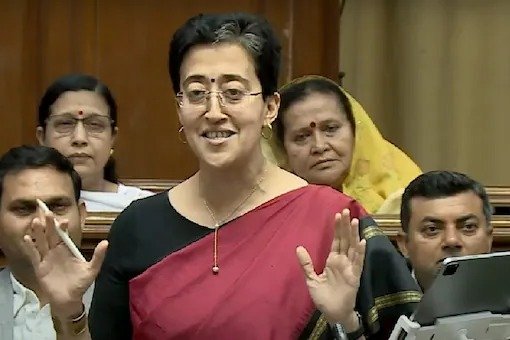
Delhi’s Finance Minister, Atishi, unveiled the Budget 2024-25 in the state Assembly, emphasizing significant allocations for education and women’s welfare. With an outlay of Rs 76,000 crore, Atishi allocated Rs 16,396 crore for the education sector, aiming to enhance educational infrastructure and accessibility. A key highlight of the budget was the introduction of the ‘Mukhyamantri Mahila Samman Yojana,’ offering Rs 1,000 monthly aid to women above 18 years old, effective from the fiscal year 2024-25. This initiative aims to empower women economically and address gender disparities. Under the health sector, Atishi proposed a budget of Rs 8,685 crore, focusing on improving healthcare facilities, including funding for hospitals, mohalla clinics, and essential medicines. Additionally, the budget allocated Rs 6,216 crore for various social welfare schemes, emphasizing support for marginalized communities. The education budget prioritizes teacher training, school construction, and maintenance, with allocations of Rs 100 crore for teacher training, Rs 150 crore for school construction, and Rs 45 crore for classroom maintenance. Furthermore, Rs 42 crore was proposed for Schools of Specialised Excellence, enhancing educational opportunities for students. In addressing infrastructure needs, the budget allocated Rs 3,353 crore for the power sector, Rs 7,195 crore for the Delhi Jal Board, and Rs 1,768 crore for road and flyover projects. The housing and urban development sector received Rs 9,800 crores, while public transportation was allotted Rs 5,702 crore. Notably, Atishi emphasized the Delhi government’s commitment to local governance, allocating Rs 8,423 crore to the local body, prioritizing education, healthcare, and sanitation. This holistic approach aims to foster community development and ensure equitable access to essential services. Reflecting on Delhi’s progress, Atishi highlighted the significant growth in Gross State Domestic Product (GSDP) and per capita income over the past decade. The budget underscores the government’s vision for inclusive growth and transformative change, aligning with the AAP’s principles of transparency and accountability. The budget presentation marks a milestone in Delhi’s journey towards socio-economic development, guided by a commitment to empowerment, education, and holistic welfare.

Delhi Budget 2024-25: Atishi Boosts Education, Women’s Welfare with Rs 16,400 Cr Allocation Read More »

Devdutt Padikkal Set to Debut in Dharamsala as KL Rahul Remains Unfit, Rajat Patidar to Stay in Squad

The Indian cricket fraternity is abuzz with anticipation as Devdutt Padikkal is poised to make his Test debut in the upcoming match against England in Dharamsala. With KL Rahul’s fitness status uncertain, Padikkal is expected to replace Rajat Patidar in the playing XI, marking his entry into the prestigious format of the game. The decision to include Padikkal comes amid Rahul’s ongoing rehabilitation process, which has cast doubts over his availability for the crucial fixture. Although Rahul had been the selectors’ preferred choice for the No. 4 position, his injury woes have paved the way for Padikkal’s inclusion in the squad. Rajat Patidar, who had been filling in for Rahul in recent matches, faced a dip in form, prompting selectors to reconsider their options. With the Madhya Pradesh cricketer set to stay in the squad but likely to lose his spot in the XI, Padikkal’s impressive performance in domestic cricket and India A fixtures has earned him the nod for his maiden Test appearance. Padikkal’s stellar form in the current season, coupled with his consistent run-scoring ability, has garnered attention from selectors and coaching staff alike. The left-hander’s recent exploits, including a match-winning century in Karnataka’s fixture against Tamil Nadu, have bolstered his case for selection. A BCCI source confirmed Padikkal’s inclusion, highlighting the team management’s eagerness to assess his capabilities ahead of the upcoming IPL season. Padikkal’s journey from domestic cricket to the international arena exemplifies his talent and dedication, setting the stage for a memorable debut in Dharamsala. As the cricketing world awaits the much-anticipated clash, all eyes will be on Devdutt Padikkal as he prepares to don the Indian jersey for the first time in Test cricket.

Devdutt Padikkal Set to Debut in Dharamsala as KL Rahul Remains Unfit, Rajat Patidar to Stay in Squad Read More »

Ministry Orders Closure of Maulana Azad Education Foundation, Stirring Controversy

The Ministry of Minority Affairs has stirred controversy with its decision to order the closure of the Maulana Azad Education Foundation (MAEF), a government-funded organization dedicated to promoting education among educationally disadvantaged sections of the Muslim community. The abrupt closure order, issued on February 7 by under-secretary Dhiraj Kumar, has raised questions as it lacks substantive rationale. According to sources familiar with the matter, the decision was prompted by a proposal from the Central Waqf Council (CWC), responsible for regulating educational initiatives for minorities in the country. However, senior officials within the ministry have labeled it as an “internal matter” not yet disclosed to the public. The order mandates the MAEF to propose an agenda for its legal closure and complete the dissolution process as per applicable laws. It also outlines plans to transfer the foundation’s funds totaling Rs. 1,073.26 crores to the Consolidated Funds of India (CFI) and liabilities amounting to Rs. 403.55 crores to the National Minorities Development and Finance Corporation (NMDFC). Established in 1989 on the birth centenary of Maulana Abdul Kalam Azad, the first education minister and freedom fighter, MAEF has played a crucial role in aiding education among marginalized Muslim communities. The decision to shutter the foundation comes amid past controversies, including the discontinuation of the Maulana Azad National Fellowship in 2022, which sparked widespread student protests. Experts and academics have expressed concern over the closure, emphasizing its adverse impact on Muslim students. A senior professor at Jawaharlal Nehru University stated, “The move will have an adverse impact on the Muslim students as the MAEF was the torchbearer for promoting education among the Muslim community in India.” The closure of MAEF raises broader questions about the government’s commitment to minority education and the future of educational initiatives aimed at marginalized communities.

Ministry Orders Closure of Maulana Azad Education Foundation, Stirring Controversy Read More »

IIT Mandi Marks 15th Foundation Day with a Bold Vision for the Future

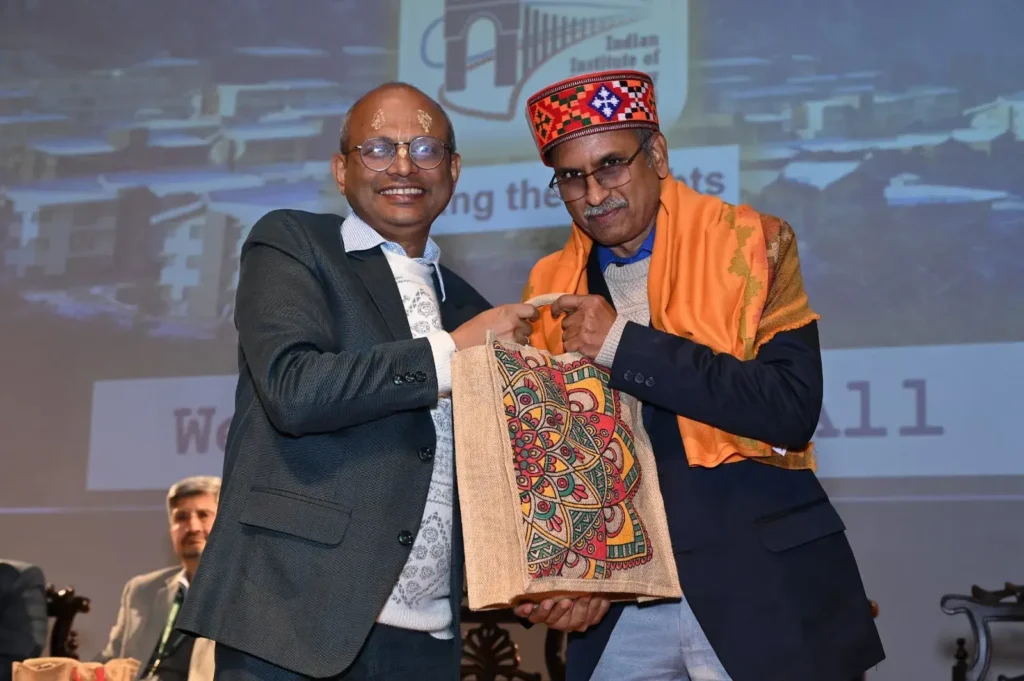
Indian Institute of Technology Mandi commemorated its 15th Foundation Day on 27th February 2024, with esteemed guests and dignitaries gracing the occasion. Dr. Samir V. Kamat, Secretary DD (R&D) and Chairman Defence Research & Development Organisation (DRDO), honored the event as the Chief Guest, along with Shri G. A. Srinivasa Murthy, DS and Director, Defence Research & Development Laboratory (DRDL), and Shri Manoj Jain, Director R&D, Bharat Electronics Limited, attended as Guests of Honor. The event also saw the presence of Prof. Laxmidhar Behera, Director of IIT Mandi, along with faculty, students, and staff members. While Lt. Gen. K. J. S. Dhillon, Chairman, Board of Governors, IIT Mandi, presided over the event virtually.   Hon’ble Chief Guest, Dr. Samir V. Kamat, Secretary DD (R&D) and Chairman, DRDO, while congratulating IIT Mandi on its 15th anniversary, said, “Amidst the serene Himalayan backdrop, taking  Prime Minister’s vision to be a world leader by 2047 IIT Mandi is rapidly evolving into technological landscape. The collaboration between DRDO and academia is vital for research and development, paving the path for a leader in defense in this constantly evolving technological development.”   Dr. Kamat further added, “Encouraging student involvement in R&D is key to fostering a culture of innovation. Leveraging engineering talent is imperative for our transition to a developed economy. It is up to all of us to work together and achieve the vision of our Hon’ble PM of becoming a developed country by 2047.”   Speaking on the occasion, Prof. Laxmidhar Behera, Director, IIT Mandi, said, “The journey of IIT Mandi has been marked by remarkable growth, innovation, and academic excellence, culminating in our Foundation Day celebrations. As we commemorate this occasion, we honor the tireless efforts of our faculty, staff, and students, whose dedication has been instrumental in shaping our institution into what it is today. Our commitment to excellence is reflected in our state-of-the-art infrastructure, which spans 18 acres and encompasses academic and administrative facilities, student and faculty housing, laboratories, libraries, and sports complexes. Furthermore, our Green Committee’s proactive efforts in environmental conservation have earned us accolades such as the prestigious ‘Green University’ award at COP 28.”   Emphasizing the Institute’s future development plans, Prof. Behera stated, “We have ambitious plans to expand our faculty and student strength, with a focus on inclusivity and accessibility. Our ongoing projects, such as the construction of new hostels, academic blocks, and sports facilities, underscore our commitment to providing a conducive learning environment for all.”   During his virtual address, (Retd.) Lt. Gen. K. J. S. Dhillon, Chairman, Board of Governor, IIT Mandi, conveyed his heartfelt congratulations, emphasizing the significance of the achievements by adding, “Your dedication and achievements not only reflect your personal excellence but also serve as a beacon of inspiration for others to aspire towards greatness.”   While addressing the students, Guest of Honour, Shri Manoj Jain, Director R&D, Bharat Electronics Limited, said, “The primary aim of an educational institute is to provide education, but equally important is leveraging the rich knowledge of students and faculty to fuel versatile growth in the industry. IITs excel in creating world-class talent, and I urge all students to adapt themselves to contribute to the betterment of our country. I am pleased that IIT Mandi has brought together stakeholders from the government (DRDO), industry (BEL), and academia (IIT Mandi) – a perfect combination to drive success from basic ideas to innovation and ultimately develop final products for the advancement of our nation.”   While speaking, Guest of Honour, Shri G. A. Srinivasa Murthy, DS and Director, Defence Research & Development Laboratory, said, “I am honored to participate in the festivities commemorating IIT Mandi’s 15th Foundation Day. The cutting-edge facilities available at IIT Mandi, spanning from the Advanced Materials Research Centre to the Centre for Artificial Intelligence and Robotics, and from the Centre for Design & Fabrication of Electronic Devices to the Indian Knowledge System and Mental Health Applications Centre, among others, vividly underscore the Institute’s dedication to innovation and excellence. To all the talented researchers and innovators, I extend a sincere invitation to explore potential research collaborations with the Defence Research & Development Laboratory. It is our paramount duty to serve our nation and propel research forward. I implore you all to unite in our mission to establish India as a frontrunner in global technology leadership.”  In the calendar year of 2023, IIT Mandi secured significant external funding through 63 sponsored projects totaling over Rs. 29.62 crores and 47 consultancy projects amounting to over Rs. 2.21 crores. The Institute’s proactive engagement in green initiatives earned it the prestigious Green University Award at COP-28. On the outreach front, IIT Mandi organized numerous national and international seminars, conferences, and workshops, facilitating knowledge exchange and collaboration among scholars, researchers, and professionals. Events like ICDECP’23, the Annual Conference on ‘DNA IN BIOX 2023’, Mind Brain and Consciousness Conference, and workshop on ‘Doing Ethnography’ exemplify the Institute’s commitment to interdisciplinary dialogue and intellectual exchange. IIT Mandi has expanded its global presence through academic exchange programs, joint research initiatives, and industry partnerships, fostering collaboration with esteemed institutions worldwide. The Centre for Continuing Education is playing a pivotal role in extending the Institute’s impact beyond academia, offering a diverse array of educational opportunities, and fostering lifelong learning within the regional community. Along with this, the Technology Business Incubator, IIT Mandi Catalyst, is serving as a dynamic hub for nurturing entrepreneurship and innovation, providing startups with essential support services, funding opportunities, and industry partnerships to thrive in the competitive landscape. With these achievements, in the past 15 years, IIT Mandi has emerged as a beacon of excellence in education, research, and innovation, laying a solid foundation for continued growth and impact in the years to come. History of the Institute On 24th February 2009, the foundation stone of IIT Mandi was laid at Kamand, signifying the establishment of its permanent campus. The first batch of students embarked on their academic journey in July 2009, with classes commencing on 27th July 2009 at a


IIT Mandi Marks 15th Foundation Day with a Bold Vision for the Future Read More »

Hon’ble Union Education Minister Shri Dharmendra Pradhan launches ‘SWAYAM Plus’ platform

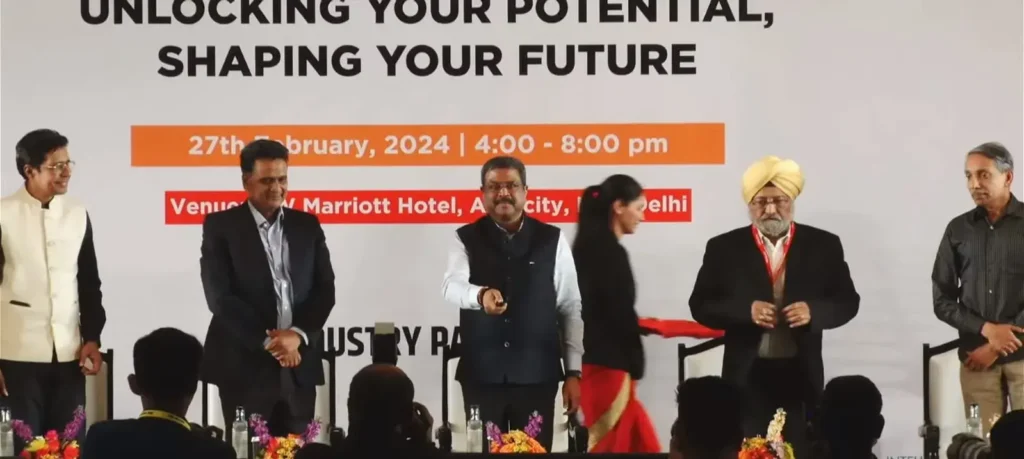
Shri Dharmendra Pradhan, Hon’ble Union Minister of Education and Skill Development and Entrepreneurship, Government of India, launched the ‘SWAYAM Plus’ platform that will offer courses developed collaboratively with the Industry at an event in Delhi today (27th Feb 2024). These employability and professional development‐focused programs have been developed with leading industry players such as L&T, Microsoft, CISCO etc. to bring to its learners. Indian Institute of Technology Madras (IIT Madras) will be operating the ‘SWAYAM Plus’ Platform. IIT Madras was among the founder institutions of Swayam-NPTEL, the Massive Open Online Course (MOOC) platform providing educational opportunities for a vast number of learners. A popular e-learning platform, SWAYAM has the largest enrolment base today, with the total enrolment increasing from 31 lakh in 2017 to more than 72 lakh by end of 2023. The establishment of SWAYAM Plus would enhance employability of both college students and lifelong learners. The Industry-academia partnership would combine the academic rigour of SWAYAM’s educational platform with the real-world expertise and relevance offered by industry partners. SWAYAM Plus platform will offer programs in sectors like Manufacturing, Energy, Computer Science and Engineering/IT/ITES, Management Studies, Healthcare, Hospitality and Tourism besides Indian Knowledge Systems, among many others. Launching the ‘SWAYAM Plus’portal, Shri Dharmendra Pradhan, Hon’ble Union Minister of Education and Skill Development and Entrepreneurship, Government of India, said, “The National Education Policy (NEP) is on roll and for the first time, reputed industrial houses will be coming with their own academy, partnering with the UGC, esteemed education departments, and prestigious institutes like IIT Madras. All these courses will be accredited.” Elaborating on ‘SWAYAM Plus’, Shri Dharmendra Pradhan said, “SWAYAM Plus offers employability, entrepreneurial mode, and job-centric courses, emphasizing practical, hands-on learning. Our goal is to make education industry-fit, providing learners with the skills and knowledge needed to succeed in the professional world.” Further, Shri Dharmendra Pradhan said, “Higher education is no longer limited to the traditional student. It is now accessible to the working population as well. The NEP 2020’s provision for multiple entry and exit points allows individuals to pursue education at their own pace. This concept is embodied in SWAYAM Plus, a vehicle that enables working professionals to balance their work and studies by offering a plethora of online courses. With SWAYAM Plus, we are empowering individuals to upskill and reskill, enhancing their career prospects and contributing to India’s knowledge economy.” Reskilling and upskilling initiatives play a pivotal role in addressing skill gaps, ensuring employability, and fostering a culture of lifelong learning. Through collaborative efforts between academia, industry, and the government, the National Education Policy (NEP) 2020 endeavours to create a workforce that is well-prepared for the challenges of the modern world and can thrive in diverse sectors, driving innovation, entrepreneurship, and inclusive development. Speaking during the launch event, Prof. V. Kamakoti, Director, IIT Madras, said, “There is an exponentially growing demand for trained manpower in core areas spanning across not restricted to health care, logistics, technology, energy, infrastructure and manufacturing. With rapid changes in these areas, there is a need to augment certain recent topics for fresh students and upskilling for the already employed. Swayam Plus will be a single window solution serving the above National cause.” The exposure through these courses would equip students with not only theoretical knowledge but also the skills, practices and latest trends demanded by the job market. It would bridge the gap between academia and industry, making college graduates more job-ready and competitive. Additionally, for lifelong learners, this partnership could offer a unique opportunity to upskill or reskill in response to evolving industry needs. Such a collaboration with industry partners could ensure that the courses provided are aligned with the ever-changing demands of the workforce Highlighting the importance of this platform, Prof. R. Sarathi, Dean (Planning), and Faculty, Department of Electrical Engineering, IIT Madras, and the IIT Madras Coordinator for ‘SWAYAM Plus’, said, “the initiative enables students and working personals to upgrade their skills in their domain. Internship opportunities will be provided through this portal.  Skill based courses are provided with credit recognition that will be recorded in the respective academic bank of credits of the student.” The Key Features of SWAYAM Plus include: Multilingual content: The platform will be multilingual, encouraging a diverse audience to choose SWAYAM Plus as a platform of choice. AI-Enabled chatbot: An AI-enabled chatbot will assist the students choose the right courses based on their needs. Credit Recognition: Credit equivalency shall be established for courses offered by industry players. It also enables students of HEIs to earn credits simultaneously for their degree requirement, thereby providing academic flexibility.  

Hon’ble Union Education Minister Shri Dharmendra Pradhan launches ‘SWAYAM Plus’ platform Read More »

The Present and Future of AI in Healthcare

Blog on health

As technology advances at an unprecedented rate, its impact on various aspects of our lives becomes increasingly significant. In the realm of healthcare, artificial intelligence (AI) stands out as a transformative force with immense potential. However, to truly appreciate its importance and potential, it’s essential to delve into what AI has achieved and how it continues to shape the present and future of healthcare. The numbers paint a compelling picture of AI’s growing influence in healthcare. With over 500 AI algorithms approved by the U.S. FDA, and digital health startups receiving billions in investments, it’s evident that AI is not just a theoretical concept but a tangible reality in the healthcare landscape. Projections indicate that the global market for AI-based healthcare solutions will exceed $208 billion by 2030, underscoring the significant investments and expectations surrounding AI in healthcare. The promise of AI in healthcare is multifaceted, ranging from early disease detection to optimizing treatment plans and enhancing patient outcomes. For instance, AI algorithms have the potential to revolutionize cancer screening by analyzing vast amounts of data, including family history, imaging results, and genetic markers, to identify individuals at higher risk of developing the disease. Additionally, AI-powered interventions can monitor patients in real-time, enabling early detection of deteriorating health conditions such as sepsis, and facilitating timely medical interventions. Despite the immense potential, the full-scale implementation of AI in healthcare presents numerous challenges. From regulatory hurdles to the need for extensive clinical trials and the integration of AI into existing healthcare workflows, realizing the promise of AI requires concerted efforts from various stakeholders. Moreover, it’s crucial to recognize that AI is not a replacement for human expertise but rather a powerful tool that complements clinical decision-making. Human clinicians bring invaluable insights and intuition to the table, which AI augments by processing vast amounts of data and identifying patterns that might elude human observation alone. Currently, AI is being utilized in various medical applications, including screening tests for complex illnesses, monitoring patient vitals for signs of deterioration, and enhancing patient safety through early warning systems. Institutions are also leveraging AI to optimize resource allocation, improve operational efficiency, and streamline administrative tasks such as billing and coding. As AI continues to mature, its role in healthcare is expected to expand beyond individual applications to encompass organization-wide workflows, clinical decision support, patient engagement, and revenue cycle management. Looking ahead, the future of AI in healthcare holds even more transformative possibilities. Medical assistants powered by AI are undergoing trials in medical facilities, with the potential to streamline scheduling, access relevant patient information, and assist healthcare providers in delivering personalized care. Moreover, AI-driven algorithms are expected to play a crucial role in organizing and analyzing vast amounts of medical data, leading to more precise diagnoses, personalized treatment plans, and better patient outcomes. However, as AI becomes more integrated into healthcare systems, concerns about privacy, data security, and algorithmic bias must be addressed. Robust measures must be implemented to ensure that patient data is protected, and AI algorithms are trained on diverse and representative datasets to avoid perpetuating biases or disparities in healthcare delivery. AI holds immense promise as a transformative force in healthcare, revolutionizing patient care, clinical decision-making, and operational efficiency. While challenges remain, the collaborative efforts of researchers, clinicians, policymakers, and technology developers are paving the way for a future where AI augments human expertise to deliver better healthcare outcomes for all. As we embark on this journey, it’s essential to recognize that AI is not a replacement for human judgment but a powerful tool that, when wielded responsibly, has the potential to revolutionize the practice of medicine.  

The Present and Future of AI in Healthcare Read More »

Government Employees Prepare for Indefinite Strike Demanding Restoration of Old Pension Scheme

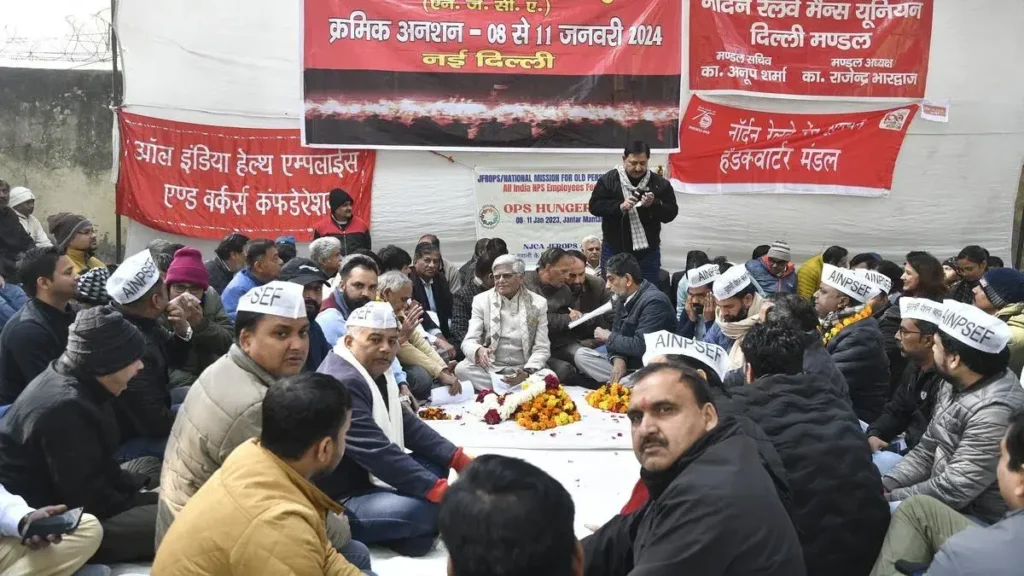
A consortium of trade unions and associations representing approximately 28 lakh Union government employees, including those from the Railways and Central Public Sector Undertakings, along with over three crore employees and teachers from state governments, is gearing up for an indefinite strike starting May 1. The primary demand behind the strike is the restoration of the Old Pension Scheme (OPS) in place of the current National Pension Scheme (NPS). The decision to proceed with the strike was unanimously taken by the steering committee of the Joint Forum For Restoration of Old Pension Scheme (JFROPS), which plans to serve strike notices to respective administrations on March 19. Shiv Gopal Mishra, the Convener of JFROPS and General Secretary of All India Railwaymen’s Federation (AIRF), stated that talks with the Centre regarding the issue had collapsed, leading to the decision for the strike. Despite repeated protests, letters to the Prime Minister and Finance Minister, and discussions in Joint Consultative Machinery (JCM) meetings, the government has neglected their demands. Ahead of the strike call, strike ballots were conducted in Railways, various departments, and PSUs under the Centre, with unions claiming nearly 100% support from employees. General Secretary of All India Defence Employees Federation, C. Srikumar, expressed discontent over the government’s insensitivity towards their genuine grievances. He noted the disparity in treatment, citing the recommendation of defined and guaranteed pension for judges by the Judicial Pay Commission while government employees continue to face the uncertainty of the National Pension Scheme. Mishra emphasized that the strike was necessitated by the government’s indifference to their demands, and all unions except the pro-government Bharatiya Mazdoor Sangh (BMS) will participate. Regarding the timing of serving the strike notice amidst the possibility of the model code of conduct for general elections, Mishra highlighted the importance of the OPS issue and urged for its discussion during elections, even if the model code of conduct is in effect. He expressed hope that the government would address their demands, considering the significant impact on millions of lives.

Government Employees Prepare for Indefinite Strike Demanding Restoration of Old Pension Scheme Read More »