ArdorComm Media Group

Tuesday, August 4, 2026 3:52 AM

community

Patiala Doctors Summoned to Lok Adalat as Health Department Defaults on Internet Bills

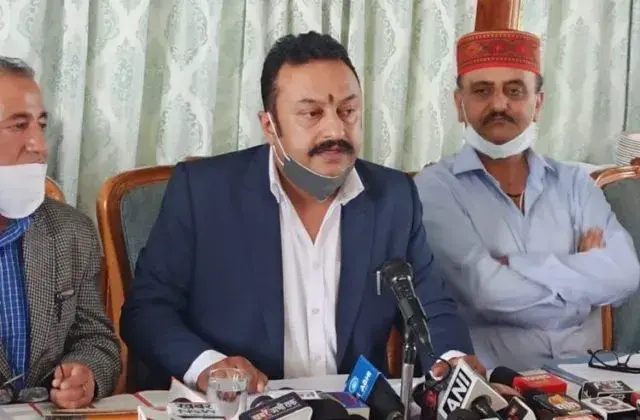
Medical officers from the Punjab health department stationed at Aam Aadmi Clinics (AACs) in Patiala have been summoned to the National Lok Adalat after the department failed to clear the clinics’ internet bills. The civil judge, Arun Gupta, issued summons for the medical officers to appear on March 9, 2024, to address the outstanding payment issue. The internet service provider, Bharat Sanchar Nigam Limited (BSNL), initiated legal action by moving the National Lok Adalat to recover the pending payments, citing repeated reminders to no avail. The pending amount, totaling Rs. 1841, has prompted BSNL to resort to legal means to resolve the matter. A senior official from the Patiala BSNL office clarified that approaching the Lok Adalat was standard procedure when customers failed to clear bills despite repeated reminders. However, it was emphasized that this step was taken as a last resort. Expressing dismay over the situation, medical officers pointed fingers at the health department for administrative lapses. Despite significant investments in various health schemes, the inability to settle internet bills has become a cause for embarrassment for the doctors. Many clinics have faced internet disconnections due to unpaid bills, forcing staff to resort to mobile internet hotspots for essential online operations, including patient registration. Dr. Raminder Kaur, the Patiala civil surgeon, acknowledged the issue, noting that only a few clinics in the district had outstanding bills. She assured that directives had been issued to address the pending payments promptly.

Patiala Doctors Summoned to Lok Adalat as Health Department Defaults on Internet Bills Read More »

Uttarakhand High Court Upholds Rights of Pregnant Women in Government Employment

The Uttarakhand High Court has delivered a groundbreaking ruling affirming that women cannot be denied employment due to pregnancy. This landmark decision, inspired by the case of Misha Upadhyay, who faced discrimination in a nursing officer position due to her pregnancy, represents a pivotal advancement in safeguarding fundamental rights and promoting gender parity within India’s workforce. Commenting on this landmark verdict, Dr. Rennie Joyy emphasized the historical discrimination faced by women, often using pregnancy as a pretext to exclude them from job opportunities or hinder their career progression. The court’s decision challenges this systemic bias, highlighting the importance of motherhood while asserting that it should never serve as a barrier to professional advancement. By deeming such practices a violation of constitutional rights under Articles 14, 16, and 21, the court sets a crucial precedent for fostering an inclusive and equitable society. Dr. Joyy further lauded the judgment, noting its role in rectifying past injustices and creating a more gender-sensitive environment where women can pursue their careers free from discrimination. This ruling underscores the necessity of cultivating workplaces that accommodate and respect women’s reproductive choices, aligning with global efforts toward achieving gender equality, including Sustainable Development Goal 5. Meanwhile, Advocate Faizan Mirza of the Bombay High Court – Nagpur Bench hailed the decision as a significant victory for fairness, emphasizing its role in promoting respect for women and equal opportunities in the workforce. He highlighted the absurdity of denying employment based on pregnancy and underscored the importance of treating all individuals with respect and providing them with equal opportunities for employment. Mirza applauded the court’s decision as a step in the right direction toward ensuring fairness and equal opportunities in the workplace, setting a positive example for future generations. He recognized women’s resilience and capability in balancing multiple responsibilities and urged society to acknowledge and support their contributions without discrimination.Top of Form

Uttarakhand High Court Upholds Rights of Pregnant Women in Government Employment Read More »

Maharashtra’s Education Budget Sees 9.8% Surge Amidst Concerns Over Allocation Distribution & Scheme Cutbacks

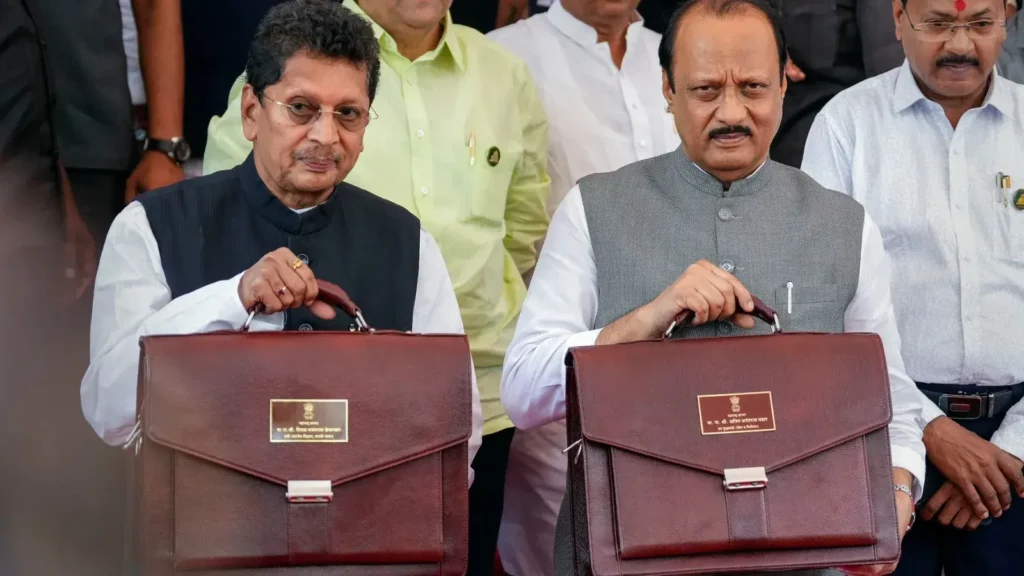
The education sector in Maharashtra has witnessed a notable 9.8% increase in budget allocation for the interim period of 2024-25, with figures rising from Rs 87,314 crore to Rs 95,875 crore compared to the previous year. However, despite this surge, concerns have emerged over the distribution of allocations and cutbacks in flagship schemes. While both school and higher education departments have experienced a boost in funding, a significant portion of the hike is attributed to routine expenditures, particularly salaries for teachers and staff. Notably, expenditure on some key education schemes has been reduced, raising apprehensions about the state’s educational development trajectory. Of particular concern is the reduction in budgetary provisions for reimbursing private schools for admitting socio-economically disadvantaged students. This allocation has dwindled from Rs 200 crore to Rs 173 crore, aggravating grievances from schools claiming outstanding dues amounting to Rs 2,400 crore. Moreover, reductions in the state’s contributions to centrally sponsored schemes like midday meals and Samagra Shiksha have been recorded, despite recent initiatives such as introducing eggs in school meals. However, the budget does allocate Rs 81 crore towards the PM SHRI scheme aimed at upgrading schools in alignment with the New Education Policy. Finance Minister Ajit Pawar’s budget speech outlined plans for youth skill development initiatives, including the establishment of international skill development centers and various training programs. However, actual allocations for these schemes were notably absent from the budget document, raising questions about their implementation. Despite these concerns, there are pockets of positive developments, such as the increased subsidy for the Dr. Zakir Hussain Madrasa Modernization Scheme, aimed at integrating minority students into the mainstream education system. Additionally, measures to address uniformity in scholarships and fellowships for marginalized communities have been articulated, addressing previous criticisms regarding fellowship provisions for doctoral pursuits.  

Maharashtra’s Education Budget Sees 9.8% Surge Amidst Concerns Over Allocation Distribution & Scheme Cutbacks Read More »

Godrej Capital Appoints Bhavya Misra as Chief Human Resources Officer

Godrej Capital, a leading financial services company, has named Bhavya Misra as its new Chief Human Resources Officer (CHRO), effective immediately. With over 15 years of extensive experience across various sectors including finance, commercial, IT, electronics, and telecommunications, Bhavya brings a wealth of HR leadership expertise to her new role. Before joining Godrej Capital, Bhavya served as the Director and Head of HR at Lenovo, a global consumer electronics manufacturer, where she played a pivotal role in shaping HR strategies in India. Prior to that, she held the position of HR Director for Finance, Commercial, and IT at PepsiCo, overseeing regions spanning Africa, the Middle East, and South Asia. Bhavya also served as the HR Manager for Talent Management at Bharti Retail. Bhavya holds a BSc degree in Physics from St. Stephen’s College, University of Delhi, and an MBA in HR from the Management Development Institute, Gurgaon. She has also completed an exchange program in HR at the IAE Aix-Marseille Graduate School of Management. Her core competencies include talent acquisition, HR management, performance management, HR policies, diversity, equity, and inclusion (DEI), employee engagement, learning and development, and leadership. Expressing excitement about her new role, Bhavya stated, “Super excited to start this journey with Godrej Capital! A whole new world of learning, growing, and building a great place to succeed!” In a LinkedIn post, Godrej Capital welcomed Bhavya to the leadership team, highlighting her diverse HR experience and expressing confidence in her ability to drive the organization’s HR strategies and culture initiatives forward.

Godrej Capital Appoints Bhavya Misra as Chief Human Resources Officer Read More »

PM Modi Confident of BJP’s Victory in Upcoming Lok Sabha Polls, Eyes Third Term

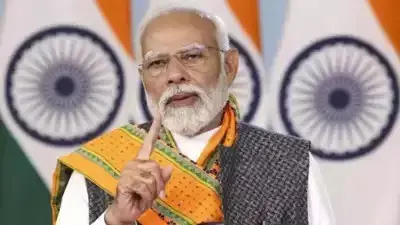
Prime Minister Narendra Modi expressed unwavering confidence on Monday that the Bharatiya Janata Party (BJP) would secure victory in the upcoming Lok Sabha polls, paving the way for the commencement of his government’s third term in June. During the launch event of more than 2,000 railway infrastructure projects valued at over Rs 41,000 crore, PM Modi highlighted the rapid pace of development projects initiated across the nation under his administration. He emphasized the transformative changes witnessed in the railways, including the introduction of Vande Bharat trains, symbolizing the progress made by India in the past decade. PM Modi’s optimism about the BJP’s electoral prospects was palpable as he reiterated his earlier prediction of winning a significant number of seats in the Lok Sabha. He projected that the National Democratic Alliance (NDA) would secure over 400 seats, with the BJP alone clinching at least 370 seats. PM Modi underscored that his government’s third term would witness significant decisions and lay the foundation for India’s prosperity over the next millennium. Addressing the youth directly, PM Modi assured them that their aspirations were integral to his vision for the nation. He emphasized that India now aspires for greatness and tirelessly strives to realize its ambitions, with the synergy of the youth’s dreams and hard work alongside his unwavering determination, ensuring a prosperous future for the country. In his speech, PM Modi painted a picture of a resurgent India poised for remarkable economic growth, firmly asserting that his tenure would usher in an era where India emerges as the world’s third-largest economic power. He reaffirmed his commitment to building a developed India, asserting that the aspirations of the nation’s citizens would be met under his leadership.

PM Modi Confident of BJP’s Victory in Upcoming Lok Sabha Polls, Eyes Third Term Read More »

Vipul Patel, Chairman, Managing Trustee, S.N.V. International School, Nadiad expressed the roadmap of S.N.V International School on NEP 2020

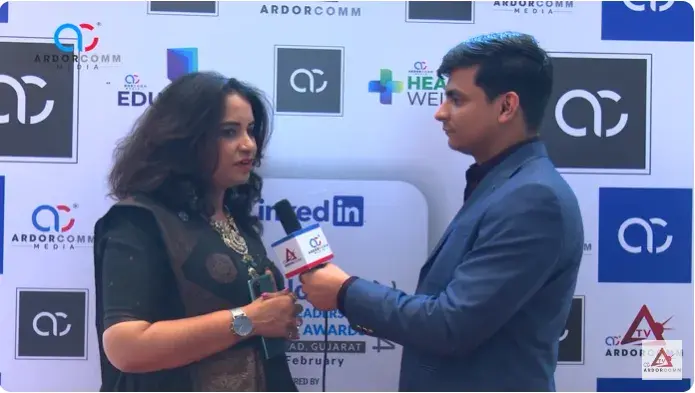
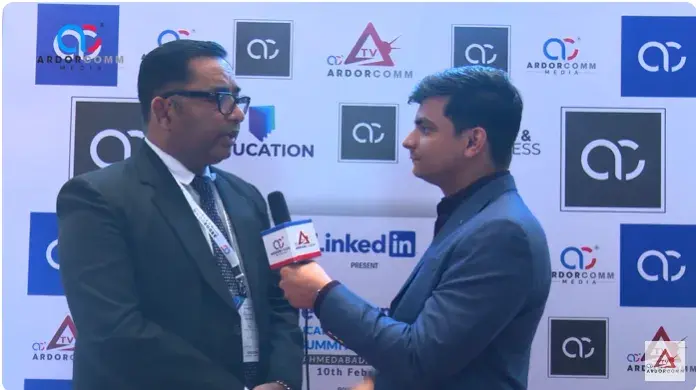
“NEP is a policy, and the roadmap is still not entirely clear” said Vipul Patel, Chairman, Managing Trustee, S.N.V. International School, Nadiad at ArdorComm Media Group hosted ‘New Normal – Education Leadership Summit & Awards 2024’ on 10th February 2024 at Crowne Plaza Ahmedabad City Centre, Ahmedabad, Gujarat. How does technology play a crucial role in developing the overall curriculum of the classroom and school in this Digital era? We live in the era of digitalization and technology, which moves at a much faster rate than any other field. Normally, education should lead the change in society, but technology has advanced so much that education is trying to catch up. Education institutions like mine are striving hard to catch up with technology and make maximum use of it for a better learning experience for both mentors and students. It’s a huge challenge with infrastructure costs and social divides, but if we miss the bus on technology at this point, education will be in serious trouble. So, yes, educational technology has a significant role to play not only in the future but starting from now. What are the various steps suggested by the NEP to improve infrastructure and facilities in schools? NEP is a policy, and the roadmap is still not entirely clear on what they actually want to do for schools. However, when NEP talks about holistic, equitable, and inclusive education, technology can play a huge role in achieving these goals. NEP doesn’t explicitly mandate the use of technology, but it outlines what needs to be done, and technology can help us get there. How far has SNV International School progressed in implementing teacher training processes to improve the curriculum for the children? Teacher training is crucial in an ever-changing world, especially with the new NEP coming up. Most teachers have studied in an older education system and now need to deliver according to the new standards. Teacher training is paramount for any kind of improvement. At SNV, teacher training is of utmost importance. We conduct both in-house and collaborative training sessions using technology to ensure teachers are well-prepared to deliver better to students. What is your overall takeaway from this event? I’ve only seen half of it, but everyone seems to agreeing on many points. However, the devil lies in the implementation. At the micro-level, at the school and classroom levels, much needs to be done. What I’ve learned from today’s summit is how technology can help us achieve those goals. ArdorComm Media is now celebrating its second year of existence. Any message or suggestion you wish to share with us? My suggestion would be to bring in more corporate representatives. While there’s a good mix of educators, learners, corporate sectors, and technology, having more corporate input could provide valuable insights on how to achieve our goals. Thank you.

Vipul Patel, Chairman, Managing Trustee, S.N.V. International School, Nadiad expressed the roadmap of S.N.V International School on NEP 2020 Read More »

Himachal Pradesh Education Minister Highlights State’s Education Success

Himachal Pradesh Education Minister Rohit Thakur announced on Sunday that the state’s literacy rate has surged to over 88%, marking a significant rise from eight percent at the time of Independence, making it the second-highest in the country. Thakur attributed the remarkable progress in education to the high standards and excellence of the state’s government schools. He highlighted that even prominent figures like Chief Minister Sukhvinder Sukhu and the state’s first Chief Minister Y.S. Parmar received education from government-run institutions. Speaking as the chief guest at the launch of the ‘Mere Shehar Ke 100 Ratan’ scholarship by Crack Academy across all 68 constituencies of the state, Thakur emphasized the government’s commitment to education. The initiative aims to provide scholarships to 100 students per constituency, with the scholarship test scheduled for May 1. Thakur lauded the achievements of government school graduates, noting their successful careers in top institutions and various fields, not only in Himachal but also across India and the world. He highlighted that the education structure in the state has contributed to the high ratio of Indian Administrative Officers from Himachal per capita, making it one of the best in the country. Additionally, he mentioned that Himachal Pradesh boasts one of the highest per capita incomes in the nation.

Himachal Pradesh Education Minister Highlights State’s Education Success Read More »

Tamil Nadu Health Department Issues Advisory Amid Monkey Fever Surge in Karnataka

The Tamil Nadu Public Health Department has raised concerns over the increasing cases of Monkey Fever (Kyasanur Forest Disease) in neighbouring Karnataka districts, prompting the issuance of an advisory to Tamil Nadu forest authorities and local bodies in bordering areas. As Monkey Fever cases surge in Karnataka, with two fatalities and 103 hospitalizations reported in Shivamogga, Uttara Kannada, and Chickmagaluru districts, the threat looms large over Tamil Nadu’s border villages. A joint study by the Indian Council for Medical Research (ICMR) and the National Institute of Virology (NIV) has confirmed the presence of the virus in Mysore and Hassan districts of Karnataka, adjacent to Tamil Nadu. To mitigate the risk, health and forest authorities have intensified surveillance along the Tamil Nadu-Karnataka border, particularly targeting forest personnel, anti-poaching watchers, and guards, who are at higher risk due to their proximity to wildlife habitats. The Mudumalai Tiger Reserve (MTR) in the Nilgiris, Tamil Nadu, shares borders with the Bandipur National Park in Karnataka, where about 200 field staff operate daily, potentially exposing themselves to the virus carried by monkeys, rodents, and shrews. With the approaching dry season and forest fires, which can exacerbate the spread of ticks carrying the virus, the coming months pose heightened risks for field staff. Although vaccination against Monkey Fever was administered to forest personnel in the Nilgiris until 2020, the practice was disrupted by the COVID-19 pandemic. Monkey Fever typically manifests symptoms like chills, fever, headache, severe muscle pain, vomiting, gastrointestinal issues, and bleeding. While there’s no specific treatment, early hospitalization and supportive therapy are crucial for managing the disease.

Tamil Nadu Health Department Issues Advisory Amid Monkey Fever Surge in Karnataka Read More »

Dr. Kartik Jain, Provost, Gandhinagar University, Gandhinagar discussed about NEP and it’s benefit on upcomming labour force

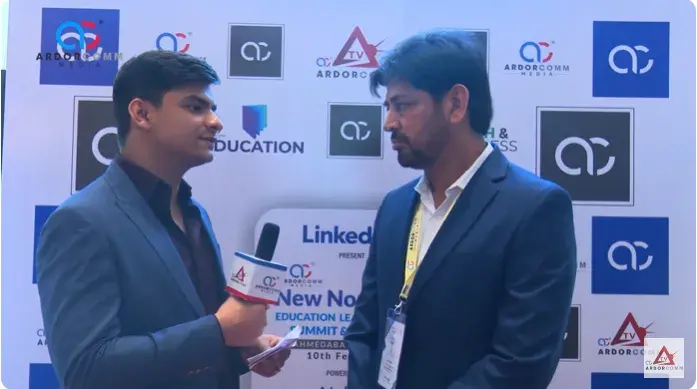
“In Gujarat I have found very good things, students are very particular about their objective,” said Dr. Kartik Jain, Provost, Gandhinagar University, Gandhinagar at ArdorComm Media Group hosted ‘New Normal – Education Leadership Summit & Awards 2024’ on 10th February 2024 at Crowne Plaza Ahmedabad City Centre, Ahmedabad, Gujarat. How new education policy is making the students market ready? The new education policy have certain parameters through which they are making it very student friendly. Initially what was there the entire academics was classified into two or three categories like core subjects, core elective subjects, there was no focus on student development. When I say student development its around 360 degree development. So, there was no focus on sports, there was no focus on meditation-yoga, there was no focus on Indian ethics, so, that policy has bought all the parameters in consideration and now it’s about your capabilities is if apart from academic also if you are capable of doing different things then you will get grades, you will get credits, according to it. It’s not like you have to be very proficient in academics, if you are good in extra-curriculum activities, good in academics, if you are good in meditation, if you are good in history, so all these things are now taken into consideration and that has helped student a lot regarding maintaining their capabilities maintaining there confidence in the academics. How technology and AI will eventually impact the education culture of India in the next 10 years? If you see the latest development in the field of AI, machine language and IOTs, this thing has changed entire academic landscape. Initially, we were thinking and talking in terms of traditional method of teaching and learning but now after introducing these technology, these things have changed the entire landscape. Now, student are free to learn whatever they want to study. Second thing is that these thing have bought a freedom to students, it’s not like 9 to 5 or time table sort of system but if you are interested, if you have capabilities, and if you really want to prove yourself, you have 24 hours with you and so using those technology you can implement and you can feel the excitement of academics in you, so that is the best thing. How Gandhinagar University has adopted the structural changes in the new education policy? First thing is that what is the requirement? When we talk about standard syllabus, we cannot implement standard syllabus across all the discipline and all the team. If I’m teaching engineering, if I’m teaching management, if I’m teaching liberal studies, parameters and inputs should be different. On basis of all the parameter collected from students from faculty member, we have framed the curriculum which is totally based as per New Education Policy and in that curriculum we have given weightage,  every category whether it’s of your core academics, academics of other institute, sports, all sort of things which are related to internal development of student like. How good he’s in ancient Indian culture, how good in meditation, how good in yoga and culture, impact the student. So, we have taken all the parameter into consideration on the basis of that feedback collected process of designing a system as per the parameters of NEP. And once this system is ready then we are going to introduce it to students so that there is all around development of students not only in terms of academics but also in terms of 360 degree personality development. In Gujarat I have found very good things students are very particular about their objective whether they want to go for further studies, in India or in abroad, whether they want to do entrepreneurship, whether they want to start their own startup, that are in the mind of the students. So being educator, being universities, it’s our responsibility to make sure what student once desire should be given to students in terms of academics. So, whatever long term short term objective they have taken that objectives are fulfilled. Any message you wish to share on the second anniversary of ArdorComm Media? I am associated with ArdorComm Media, since its inception and I have been a speaker before as well. So, I think now it’s high time for education institution and as a university to take a lead. Your organisation is doing very good, the way you have taken the entire academy fraternity in one frame. So whatever long-term, short-term objectives they have taken are fulfilled. You have not only taken academia but also industry under one umbrella, so that is the best thing. I really congratulate to your efforts and hats off to your Founder and CEO, Mr. Chandan.


Dr. Kartik Jain, Provost, Gandhinagar University, Gandhinagar discussed about NEP and it’s benefit on upcomming labour force Read More »