ArdorComm Media Group

Tuesday, July 28, 2026 1:36 AM

community

Steven Spielberg Completes EGOT With First-Ever Grammy Win

Legendary filmmaker Steven Spielberg has officially entered the elite EGOT club after winning his first Grammy Award on February 1, marking a historic milestone in his decades-long career. Spielberg earned the Grammy for Best Music Film at the 68th Annual Grammy Awards for Music by John Williams, a documentary he produced that celebrates the life and extraordinary legacy of iconic composer John Williams. The film explores Williams’ profound influence on cinema through unforgettable scores for classics such as Jaws, E.T. the Extra-Terrestrial, Indiana Jones, Jurassic Park and Schindler’s List. With this win, Spielberg now holds at least one competitive Emmy, Grammy, Oscar and Tony Award, placing him among just 28 individuals to have achieved EGOT status. The term “EGOT” was first popularised in the 1980s and represents the highest cross-platform recognition in American entertainment. Reacting to the achievement, Spielberg expressed gratitude to the Grammy voters and his collaborators, noting that the honour was especially meaningful because it recognised John Williams’ unmatched contribution to music and culture. He described Williams’ impact as “immeasurable” and praised director Laurent Bouzereau for crafting a deeply personal and powerful film. A Career Spanning Every Major Stage Spielberg’s path to EGOT recognition reflects his influence across film, television and theatre: Oscars: He has won three Academy Awards—Best Director and Best Picture for Schindler’s List and Best Director for Saving Private Ryan—alongside more than 20 nominations. Emmys: As a producer, Spielberg won Primetime Emmys for hit shows including E.R. and Animaniacs. Tony: He received a Tony Award in 2022 as a producer of the Broadway musical A Strange Loop, which won Best Musical. Grammy: The win for Music by John Williams completes the EGOT set. A Five-Decade Creative Partnership The Grammy victory is especially symbolic given Spielberg’s long-standing collaboration with John Williams, who has composed music for 29 of the director’s films since The Sugarland Express in 1974. Williams, now 94, remains one of the most honoured composers in history, with dozens of major awards and over 50 Academy Award nominations. The documentary features insights from leading figures across film and music, tracing Williams’ journey from early television work to defining some of the most recognisable themes in modern cinema, including Star Wars, Superman and Harry Potter. Still Going Strong at 79 Despite reaching EGOT status, Spielberg shows no signs of slowing down. His next film, Disclosure Day, starring Emily Blunt, is scheduled for release later in 2026, alongside multiple projects in development under his Amblin Entertainment banner. The Grammy win not only caps an extraordinary career but also reinforces Spielberg’s lasting impact across every major entertainment medium—cinema, television, theatre and music storytelling—cementing his place as one of the most influential creators of all time. Source: Forbes  

Steven Spielberg Completes EGOT With First-Ever Grammy Win Read More »

Union Budget 2026–27: Reactions from Leaders and Experts

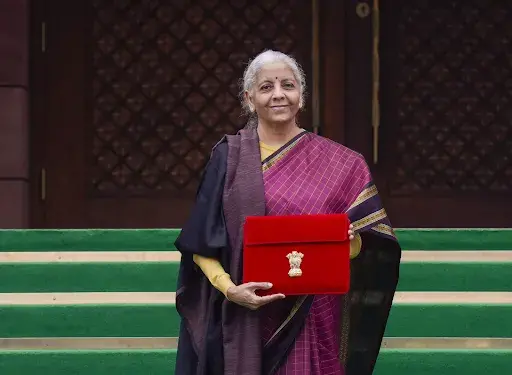
Finance Minister Nirmala Sitharaman on February 1 presented the Union Budget 2026–27 in Parliament, laying out a roadmap to sustain India’s growth amid global uncertainties while advancing long-term structural reforms. The Budget spans key areas including taxation, infrastructure, healthcare, manufacturing and logistics, with capital expenditure raised by nearly 9% to a record ₹12.2 lakh crore, reinforcing the government’s infrastructure-led growth strategy. Major announcements include the rollout of the New Income Tax Act from April 1, 2026, seven high-speed rail corridors, rare earth corridors across four states, and a ₹10,000 crore Biopharma Shakti initiative. Education and skilling feature prominently, with a focus on design education and the creative economy through a new National Institute of Design for eastern India and Content Creator Labs in 15,000 schools and 500 colleges to boost the AVGC sector. Highlighting the Budget’s growth orientation, Prime Minister Narendra Modi said it would help MSMEs transition from local players to global champions. Against this backdrop, leaders and experts across sectors share their first reactions to the Budget’s implications for the economy, businesses and citizens. Key Budget 2026–27 Highlights at a Glance Fiscal consolidation maintained: Fiscal deficit for FY27 pegged at 4.3% of GDP, marginally lower than FY26, signalling continued commitment to macroeconomic stability. Debt reduction roadmap reaffirmed: India’s debt-to-GDP ratio projected to decline to 55.6% in FY27, with a medium-term target of approaching 50% by FY31. Record capital expenditure push: Capital outlay raised to an all-time high of ₹12.2 lakh crore to sustain infrastructure creation and crowd in private investment, supported by an Infrastructure Risk Guarantee Fund. AI, cloud and digital infrastructure boost: Tax holiday till 2047 for global cloud service providers operating data centres in India to position the country as a global AI and data hub. Major MSME and SME support: ₹10,000 crore SME Growth Fund, ₹2,000 crore top-up to the Self-Reliant India Fund, mandatory TReDS payments for CPSEs, and ‘Corporate Mitras’ to ease compliance and liquidity. Market discipline measures: Higher securities transaction tax on derivatives and taxation of share buybacks as capital gains to curb speculative activity. Strategic minerals focus: Dedicated rare earth corridors announced in Odisha, Kerala, Andhra Pradesh and Tamil Nadu to strengthen domestic supply chains. Transport and logistics expansion: Seven new high-speed rail corridors and a new Dankuni–Surat freight corridor to improve connectivity and green mobility. Relief on overseas education and healthcare costs: TCS under the Liberalised Remittance Scheme for education and medical remittances reduced from 5% to 2%, improving liquidity for families. Reactions from Leaders & Experts Kumar Chandan Anand, Founder, CEO & Group Editor, ArdorComm Media Group, says, “Today’s Union Budget is a reform-driven, youth-oriented agenda, reflecting a strong intent towards economic stability and future growth. The emphasis on infrastructure, manufacturing, sunrise industries, artificial intelligence (AI), job creation, biopharma, health tourism, ‘Heal-in-India’, digital expansion, and the Animation, Visual Effects, Gaming, and Comics (AVGC) sector is particularly encouraging. Initiatives like creator labs in schools and colleges will nurture talent and bridge the gap between education and industry needs. If timely and speedy execution matches the Budget’s intent, it could significantly strengthen industry confidence and grassroots development, benefiting the middle class and small businesses. This comprehensive effort will accelerate India’s growth trajectory and help achieve the goal of becoming the world’s third-largest economy.” Dr. S.S. Mantha, Founding Chancellor and President, RBU, Nagpur and Former Chairman, AICTE says “Budget 2026-27 is progressive and futuristic. It is quietly efficient. It gives a fillip to manufacturing. The idea of bridging education to employment is a great idea but will need a lot of ground work and mapping of skills to opportunities. The thrust on AI and Semiconductors design and production is especially interesting. Competing with the world leaders in those sectors can propel the nation into the big league. The education budget seems to have risen by 11% over last year. This could have been much higher accounting for inflation. I would have liked to see a bigger share for promoting research. Startup and Make in India initiatives should have had higher allocations. Thrust on MSME growth is much needed. That the budget addresses this is good. Higher investments in the health sector and defense sectors is noteworthy.” Dr. Manjula Pooja Shroff, Founder & CEO, Kalorex Group says, “The labour codes were suddenly made effective without necessary preparatory and implementation time. Employers are concerned about the risk of non-compliance, dispute, and litigation around various provisions where there is ambiguity. Generally, there is an expectation of more time for industry to comply and a supportive regulatory and enforcement mindset. Setting up Content Labs in High schools and Colleges is a welcome move guided by futuristic needs. The Union Budget demonstrates a clear focus on skilling and transition from education to employability. Setting up of NID, University Townships, extra support for women entrepreneurship show a future ready approach.” Dr. Vidya Yeravdekar, Principal Director, Symbiosis Society, and Pro Chancellor, Symbiosis International University, says, “The Union Budget 2026 reflects a clear intent to align education with India’s future workforce and innovation priorities. The introduction of Content Creator and AVGC labs in schools and colleges is a forward-looking step that integrates creative technologies, digital skills and early industry exposure into mainstream education. The proposal to build girls’ hostels in every district will significantly improve access, safety and retention of girls, particularly in higher education. Reducing TCS on overseas education expenses will ease financial pressure on families and support global academic mobility. The Budget’s strong focus on skilling, teacher upskilling, AI, emerging technologies and women’s participation in STEM, along with plans for university townships near industrial corridors, signals a shift towards outcome-driven, employment-linked education. Overall, the Budget positions education as a strategic enabler of inclusive growth, innovation and long-term national competitiveness.” Dr. Sujit Chatterjee, CEO, Sea View Healthcare Management Services Pvt. Ltd., CEO, Adi Arogyam Super Speciality Hospital, Mumbai says “The Union budget related to healthcare has been nebulous. There are positives such as decrease in some cancer drugs, Biopharma Shakti Mission has a budget of Rs 10,000 crore to

Union Budget 2026–27: Reactions from Leaders and Experts Read More »

Budget 2026 puts spotlight on medical education, skilling and the Orange Economy

The Union Budget 2026–27 signals a strong policy push towards medical education, workforce skilling and creative industries, positioning education-led employment as a key engine of India’s services-driven growth. Presenting the budget on Sunday, the Union Finance Minister outlined wide-ranging measures spanning healthcare training, allied professions, design, content creation and short-term professional skilling, with a clear emphasis on employability and regional inclusion. A major pillar of the announcements is healthcare education. The budget proposes a ₹10,000-crore bio-pharma sectoral development package to strengthen pharmaceutical education, clinical training and research. As part of this, three new National Institutes of Pharmaceutical Education and Research (NIPERs) will be established, taking the total to 10, while seven existing NIPERs will be upgraded to enhance advanced research, industry collaboration and training quality. A nationwide network of accredited clinical facilities is also planned to improve hands-on learning and translational research in medical and pharmaceutical education. The government has also outlined a significant expansion of allied health education. Training capacity will be scaled up across 10 priority disciplines such as optometry, anaesthesia technology, applied psychology and behavioural health, with a target of training one lakh Allied Health Professionals over the next five years to address workforce shortages in hospitals and community health systems. In parallel, the budget lays the groundwork for a stronger geriatric and long-term care ecosystem. Around 1.5 lakh multi-skilled caregivers, including wellness and yoga practitioners, will be trained to meet the growing demand for elder care services. Five integrated hubs for medical value tourism were also announced, combining healthcare delivery, diagnostics, rehabilitation, education and post-care services, and creating new employment opportunities across the health sector. Traditional medicine and mental healthcare education have received renewed attention. Three new All India Institutes of Ayurveda will be set up to expand capacity in AYUSH education. In mental health, a second NIMHANS-like national institute will come up in north India, alongside the upgradation of the existing mental health institute in Ranchi. Beyond healthcare, the budget underscores short-cycle, practical skilling aimed at smaller cities. Professional bodies such as ICAI, ICSI and ICMAI will design modular, short-term courses to create “corporate mitras” who can support MSMEs with accounting, compliance and governance, particularly in tier-2 and tier-3 regions. To strengthen the education-to-employment pipeline, the government will constitute a high-powered standing committee focused on employment generation, services exports and enterprise development. The services sector has been identified as the main driver of the next growth phase, with a specific focus on aligning higher education with AI-linked skills and evolving job roles. The Finance Minister also referenced the Anusandhan Research Fund and reiterated that government interventions have helped nearly 25 crore people move out of poverty. Boost to the Orange Economy Creative and design industries feature prominently in the budget. The Indian Institute of Creative Technology in Mumbai will be upgraded, and the institute will anchor the rollout of content-creation labs focused on animation, visual effects, gaming and comics (AVGC) across 15,000 schools and 500 colleges. Recognising the growing demand for trained designers, the government has also announced a new National Institute of Design (NID) in eastern India. Higher education infrastructure will see a new spatial approach through a challenge-based model. The Centre will support states in setting up five university townships in industrial and logistics hubs, envisioned as integrated clusters with multiple institutions, shared research facilities and residential infrastructure to improve access to quality higher education. Equity, science and sectoral skilling To address gender gaps in education, the budget proposes one girls’ hostel in every district, with a focus on regions with low female participation in STEM fields. Science education and outreach will receive a boost through the development of four major astronomy and astrophysics facilities, including a large solar telescope, the Himalayan Chandra Telescope and the COSMOS-2 planetarium. Tourism, hospitality and sports have been woven into the broader skilling agenda. A National Institute of Hospitality will be set up, and the National Council for Hotel Management (NCHM) will be upgraded to strengthen industry linkages. As a pilot, 10,000 tourist guides across 20 iconic destinations will undergo 12-week training programmes designed in collaboration with IIMs. In sports, the Khelo India Mission will be extended with a 10-year integrated talent development pathway covering beginner to elite levels. The budget also links education and technology with agriculture. Under an ICAR-led initiative, AI-based decision-support systems will be deployed to enhance farm productivity, supported by technology-enabled training and advisory services for farmers.

Budget 2026 puts spotlight on medical education, skilling and the Orange Economy Read More »

AI boosts breast cancer detection in routine scans, landmark trial shows

Artificial intelligence can significantly improve the detection of breast cancer during routine screening, according to findings from a world-first clinical trial released on Friday. The results point to AI as a potential solution to both diagnostic gaps and rising workload pressures faced by radiologists globally. Published in The Lancet, the study is the first completed randomised controlled trial to rigorously evaluate AI-assisted breast cancer screening. Conducted in Sweden, the trial followed more than 100,000 women who underwent routine mammography in 2021 and 2022. Participants were randomly divided into two groups. One group had their scans reviewed by a single radiologist supported by an AI system, while the other followed the standard European protocol of double reading by two radiologists. The outcomes showed that the AI-assisted approach identified 9% more cancer cases than the conventional method. Importantly, over a two-year follow-up period, women in the AI-supported group had a 12% lower incidence of “interval cancers” — cancers detected between regular screening rounds, which are often more aggressive. The benefits were consistent across age groups and breast density levels, and the rate of false positives remained comparable between both groups. Kristina Lang, senior author of the study and a researcher at Lund University, said the findings indicate that large-scale adoption of AI-supported mammography could ease staffing pressures in radiology departments while improving early cancer detection. However, she emphasised that any rollout must be done carefully, with ongoing evaluation and oversight. Experts cautioned that AI should complement, not replace, human expertise. Jean-Philippe Masson, head of the French National Federation of Radiologists, noted that radiologists must validate AI-generated findings, as the technology can sometimes flag benign tissue changes as cancer. He also pointed out that high costs and concerns around overdiagnosis have slowed AI adoption in countries like France. Stephen Duffy, emeritus professor of cancer screening at Queen Mary University of London, who was not involved in the research, said the trial adds to growing evidence that AI-assisted screening is safe. However, he flagged that the reduction in interval cancers was not statistically significant and called for longer follow-up to assess whether outcomes between the two groups eventually converge. Earlier interim results from the trial, published in 2023, showed that AI nearly halved the time radiologists spent reviewing mammograms. The AI system used in the study, Transpara, was trained on over 200,000 mammography exams from 10 countries. Breast cancer remains the most commonly diagnosed cancer among women worldwide. According to the World Health Organization, more than 2.3 million women were diagnosed with the disease and around 670,000 died from it in 2022. Source: PTI

AI boosts breast cancer detection in routine scans, landmark trial shows Read More »

Union Budget 2026–27: Leaders Share Their Priorities and Expectations

As Finance Minister Nirmala Sitharaman prepares to present the Union Budget 2026–27 on February 1, expectations are running high across education, industry, healthcare, technology, and women’s empowerment sectors. The Budget comes amid global geopolitical uncertainty, subdued domestic demand, and weak FDI and investment growth, yet India’s economic fundamentals remain robust, offering a foundation for progressive, long-term reforms. Stakeholders are urging a balance between fiscal prudence, infrastructure spending, and strategic investments in human capital, AI and deep technology, healthcare, and women’s empowerment, emphasizing that policy clarity and outcome-oriented measures will be key to sustaining India’s growth trajectory and global competitiveness. Against this backdrop, leaders from education, industry, and healthcare have shared their priorities, highlighting the need for structural reforms, capacity building, and innovation-focused allocations. From strengthening school and higher education outcomes to fostering AI-driven entrepreneurship, preventive healthcare, and women’s economic empowerment, these voices collectively underscore the role of the Budget in shaping India’s future-ready workforce and resilient economy. Kanak Gupta, Group Director, Seth M.R. Jaipuria Schools, says the Union Budget 2026 must mark a decisive reset in school education, particularly beyond India’s metros. He notes that as India prepares for Budget 2026, the conversation must move “beyond allocations and announcements to a harder question: are our schools building capability at the pace India’s future demands?” With over 250 million school-going children—nearly two-thirds in Tier 2, Tier 3 and semi-urban regions—Gupta emphasises that India’s next phase of growth “will not be decided in a few global cities, but in the quality of schooling available across districts and emerging towns.” He urges stronger execution, teacher capability, and outcome-linked funding aligned with NEP 2020 priorities, institutionalised continuous professional development, AI as core infrastructure, early skills integration, school–industry linkages, and systemic inclusion, noting “Inclusion is not welfare—it is an investment in human capital.” According to him, Budget 2026 is an opportunity to treat school education as “India’s most strategic economic investment,” not merely a social obligation. Dr. Madhu Chitkara, Pro Chancellor of Chitkara University (Punjab & Himachal Pradesh) says “The Economic Survey 2025-26 reminds us that India’s education story is no longer about enrolment alone—it is about transformation. We stand at a juncture where access has expanded, but quality and relevance must take center stage. My expectation from the Union Budget 2026–27 is that it should boldly reimagine education as the nation’s most strategic economic investment. This means embedding digital learning across classrooms, empowering teachers with cutting-edge training, and bridging rural-urban divides with equitable infrastructure. More importantly, higher education must be aligned with the skills of tomorrow—artificial intelligence, renewable energy, biotechnology, and advanced manufacturing—so that our youth are not just degree holders but innovators and job creators. If the Budget can turn India’s demographic dividend into a knowledge dividend, it will secure not only inclusive growth but also global leadership. Education must be the engine that powers India’s next decade of prosperity.” Ganesh Natarajan, Chairman, GTT Data Solutions & 5F World, says the Budget comes amid global uncertainty and weak domestic demand. While acknowledging these challenges, he notes that “the fundamentals of the Indian economy remain strong and provides a strong foundation for a progressive budget.” He expects “a careful balancing of infrastructure and fiscal deficit, rationalisation of taxes and investments in foundational AI and Deep Tech where India has been lagging in comparison to the US and China.” Kunwar Shekhar Vijendra, Co-Founder & Chancellor of Shobhit University and Chairman, National Education Council, ASSOCHAM, stresses that “budgets do not transform education—institutions do.” While financial allocations matter, without academic capacity, regulatory trust, and institutional autonomy, they “remain accounting entries.” India’s challenge, he says, is strengthening universities as spaces of knowledge creation, ethical leadership, and national purpose. Education, according to Vijendra, must be treated as long-term nation-building infrastructure—“patiently funded, thoughtfully governed, and purposefully empowered.” Abhishek Ballabh, Co-Founder & CEO, ExtraaEdge, says that as founders building AI products from India for a global market, there is “a clear uncertainty many of us are carrying—not about ambition or talent, but about whether India will be a producer of AI or remain a large consumer of it.” He sees the Budget as “an opportunity to remove that uncertainty,” calling for decisive support for AI infrastructure, including local compute, affordable GPUs, reliable inference capacity, and India-hosted data centers. He also emphasises local models and applied AI, noting that “vertical AI companies solving real problems in education, healthcare, BFSI, manufacturing, and public services need equal support.” Predictable policy and capital frameworks, he adds, will attract long-term foreign investment into Indian AI. Dr. Aloke Mullick, Chief Growth Officer, OMNI Hospitals says “As an ex CEO of national hospital chains, my budget expectations are clear: protect affordable care while supporting capacity expansion. Private equity has poured significant capital into Indian healthcare — estimates show PE/VC flows of roughly $5–6 billion annually in recent years and a cumulative multi-billion-dollar push into hospitals (sector 2023–24 figures vary by source).  To curb a creeping PE takeover of community healthcare, I urge the government to offer a matching public support package — soft loans or a sovereign equity vehicle sized to roughly match recent PE inflows (i.e., several billion dollars spread over 3–5 years). Such instruments should carry patient-care covenants, caps on profit extraction, and lock-in periods to preserve clinical autonomy and affordable pricing. Complementary measures: tax incentives for greenfield capacity in Tier-2/3 cities, faster MSME-style credit for smaller hospitals, and transparent PPP reimbursement timelines. These steps will balance capital needs with national health interests.” Sameer Mehta, Chairman, Dr. Mehta’s Hospitals, Chennai, says the Union Budget 2026–27 should prioritise practical, system-level reforms that lower healthcare costs and improve patient experience. He calls for a sandbox approach in which the government subsidises private and trust hospitals to pilot new technologies that can significantly reduce operating costs, with proven models later scaled across government hospitals. He also emphasises the need to standardise insurance authorisation processes—before, during and after discharge—to ease consumer pain and reduce administrative delays. Additionally, Mehta advocates the creation of a centralised group purchasing portal for drugs,


Union Budget 2026–27: Leaders Share Their Priorities and Expectations Read More »

Supreme Court clears way for CCI probe into JioStar over alleged abuse in Kerala cable TV market

The Supreme Court on Tuesday declined to interfere with a Kerala High Court order that permitted the Competition Commission of India (CCI) to continue its investigation into allegations of unfair trade practices in Kerala’s cable television market, dealing a setback to broadcaster JioStar India. JioStar, which holds over 34% share of India’s TV network market, had challenged the high court’s ruling that upheld the CCI’s decision to probe allegations of abuse of dominant position raised by Asianet Digital Network (ADN). The Kerala High Court bench hearing the matter comprised Justices Sushrut Arvind Dharmadhikari and Syam Kumar VM. Before the Supreme Court, JioStar was represented by senior advocate Mukul Rohatgi, while the CCI was defended by additional solicitor general N. Venkataraman. Dismissing the plea, a bench of Justices JB Pardiwala and Sandeep Mehta said it found “no good ground” to interfere with the high court’s order after examining the submissions and the record. The case has wider corporate linkages, as Viren and Akshay Raheja—promoter shareholders in Reliance-controlled Hathway Cable—along with their family investment firm, Hathway Investments, also hold stakes in Asianet Satellite Communications, the parent company of ADN. The dispute traces back to February 2022, when the CCI ordered an investigation into Star India, then owned by Walt Disney, following a complaint by ADN. Since then, Star India has merged with Reliance Industries-owned Viacom18 to form JioStar, which is now under Reliance’s control. ADN has accused JioStar of abusing its dominant position and denying market access, allegedly in violation of Sections 4(2)(a)(ii) and 4(2)(c) of the Competition Act, 2002. The complaint centres on alleged “sham” marketing and advertising agreements between Star and Kerala Communicators Cable Limited (KCCL). Under the Telecom Regulatory Authority of India’s (TRAI) New Tariff Order, broadcasters are allowed to offer a maximum discount of 35% on the maximum retail price (MRP) to distributors and must adhere to transparent and non-discriminatory pricing. ADN alleged that Star circumvented these norms by offering KCCL discounts of up to 50% through separate marketing and advertising arrangements. According to ADN, these agreements were purportedly aimed at promoting Star’s flagship Malayalam channel—popularly known as Asianet—which commands more than 60% viewership share in Kerala. However, the advertisements were allegedly aired on a low-visibility ‘Test’ channel with negligible audience reach, raising questions over the genuineness of the promotional activity. ADN claimed that these practices resulted in discriminatory discounts, restricted market access for competitors, and gave KCCL an unfair competitive edge. While upholding a single-judge order dated May 28, 2025, the Kerala High Court had dismissed JioStar’s challenge and directed the CCI to hear all stakeholders before issuing a reasoned order. The court also instructed the regulator to first decide, as a preliminary issue, whether it has jurisdiction in light of the TRAI Regulations, 2017. If necessary, the CCI may pause its proceedings until TRAI examines the matter. The high court directed that the entire exercise be completed within eight weeks from December 3, 2025, while allowing the parties to seek an extension if required. Source: Economic Times

Supreme Court clears way for CCI probe into JioStar over alleged abuse in Kerala cable TV market Read More »

Economic Survey 2025–26 flags learning gaps, higher education quality as key education challenges

The Economic Survey 2025–26, presented in Parliament by Union Finance Minister Nirmala Sitharaman on Thursday, has underlined learning outcomes and the quality of higher education as the next major hurdles for India’s education system. While India has largely achieved universal enrolment at the school level, the Survey cautions that enrolment gains have not translated evenly into learning outcomes. The challenge becomes sharper beyond the elementary stage, with the net enrolment ratio (NER) at the secondary level standing at just 52.2%. This, the Survey notes, underscores the urgent need to retain students beyond Class 8. A major concern highlighted is the uneven distribution of schools across regions. Around 54% of schools in the country offer only foundational and preparatory education, whereas just 17.1% provide secondary education in rural areas. In contrast, urban regions have a significantly higher share of secondary schools at 38.1%. This imbalance restricts rural students’ access to higher classes, leading to longer travel times, higher dropout rates and significant transition losses. The data shows a steady decline in enrolment as students move from foundational and preparatory stages to middle and secondary levels in rural India. Urban areas, however, witness an increase in enrolment from middle to secondary stages, pointing to persistent rural–urban disparities. Grade-wise trends further confirm a sharp drop in participation at the secondary level. The Survey acknowledges progress made through investments in infrastructure and teacher capacity, supported by schemes such as Samagra Shiksha Abhiyan and Poshan Shakti Nirman, which have improved access and equity. However, it stresses that the policy focus must now shift decisively from enrolment to learning outcomes. To improve retention and optimise resources, the Survey recommends expanding composite and integrated schools, upgrading schools up to Class 7, and strengthening open schooling systems. It also calls for better infrastructure, enhanced teacher training through District Institutes of Education and Training (DIETs) and State Councils of Educational Research and Training (SCERTs), and greater involvement of parents and communities in school governance. Aligning curriculum and assessment reforms with the National Education Policy (NEP), along with the effective use of digital platforms such as PM e-Vidya, could help deliver equitable and high-quality education, even in remote areas, the Survey suggests. On higher education, the Survey notes the rapid growth in institutions and student enrolment over the past decade but raises concerns about quality, faculty shortages and uneven research capabilities. It advocates greater institutional autonomy, stronger academic leadership, and deeper integration of research and innovation to enhance global competitiveness. The Survey also emphasises the need for experience-based and skill-oriented learning, observing that conventional classroom models often fail to bridge the gap between theory and practice. Expanding vocational education, internships and industry partnerships is seen as critical to improving employability and aligning education with labour market needs. While digital education initiatives are recognised as powerful tools for expanding reach, especially in underserved regions, the Survey cautions that technology cannot replace strong pedagogy and well-trained teachers, and must be supported by sustained investments in human capacity. Source: Indian Express

Economic Survey 2025–26 flags learning gaps, higher education quality as key education challenges Read More »

Infosys limits WFH exemptions to five days per quarter, aligning with stricter policies at TCS and Wipro

Infosys has further tightened its work-from-home (WFH) framework, placing a cap on exemptions from working at the office (WFO) at five days per quarter, except in cases involving serious medical conditions of employees or their dependents. Any request beyond this limit will require valid medical documentation, including a doctor’s verification. Currently, employees at job level 5 and below are mandated to work from the office for at least 10 days every month. The new restriction specifically applies to requests seeking additional WFH days beyond this requirement. Managers have informed teams that there has been a sharp rise in last-minute WFH requests, prompting the company to enforce stricter planning and system-based pre-approvals rather than informal email requests. Managers have also clarified that requests not aligned with policy leave them with little flexibility. While Infosys has not officially commented, people familiar with the matter said that the company continues to allow up to 30 additional remote working days in cases of critical medical emergencies. The move is notable as Infosys leadership had recently stated that no changes were planned to its hybrid working approach. CEO Salil Parekh, during a post-earnings interaction earlier this month, had emphasised flexibility in how employees engage with the company and its clients. Infosys, which employs over 300,000 people, introduced its return-to-office policy in November 2023, requiring a minimum of 10 in-office days per month, though strict enforcement began in March last year. Employees must also spend at least three hours per day in the office. The tightening of norms mirrors similar steps by peers. Wipro has revised its policy effective January 1, requiring employees to work from the office three days a week for at least six hours daily, while cutting allowable remote days to 12 from 15 earlier. Meanwhile, TCS implemented a five-day office workweek last year and linked variable pay to office attendance, allowing limited WFH only for health-related reasons. Industry observers say these measures reflect the IT sector’s push for greater in-person collaboration amid shorter project cycles and slowing revenue growth, especially as AI-driven automation reduces dependence on large, people-intensive delivery models. Staffing experts suggest that 2026 could see more firms moving towards full-time office attendance, at least on designated workdays, to maintain agility and team coordination. Source: Economic Times

Infosys limits WFH exemptions to five days per quarter, aligning with stricter policies at TCS and Wipro Read More »

Nipah outbreak under control in India, government says as neighbouring countries step up vigilance

Indian authorities have moved to reassure the region after confirming that a recent outbreak of the Nipah virus has been successfully contained. The Ministry of Health and Family Welfare said late Tuesday that swift action helped prevent further spread after two cases were detected in West Bengal. According to the ministry, a total of 196 contacts linked to the confirmed cases were traced, monitored and tested, with all results returning negative. Officials said the clarification was issued to counter what they described as “speculative and inaccurate reporting” in sections of the media. “The situation is under constant monitoring and all necessary public health measures are in place,” the ministry said, noting that enhanced surveillance, laboratory testing and field investigations have been rolled out to ensure early detection of any new cases. Despite India’s assurance, several Asian countries have introduced additional health screening for travellers arriving from India. China said it was tightening disease prevention measures in border regions, with state media reporting risk assessments and specialised training for medical personnel. Countries including Indonesia and Thailand have stepped up airport checks through health declarations, temperature screening and visual assessments. Myanmar advised against non-essential travel to West Bengal and intensified fever surveillance at airports, a system originally introduced during the Covid-19 pandemic. Vietnam and Malaysia also directed authorities to strengthen monitoring at borders, ports of entry and healthcare facilities. The Nipah virus, a zoonotic disease first identified in Malaysia in the late 1990s, spreads through fruit bats, pigs and close human contact. There is no vaccine or specific treatment, with care limited to managing symptoms and complications. With a fatality rate estimated by the World Health Organization at 40–75%, Nipah is considered significantly more lethal than coronavirus infections. The first known human outbreak in 1998 led to more than 100 deaths among pig farmers and butchers in Malaysia and Singapore. Since then, sporadic outbreaks have been reported in Bangladesh, the Philippines and India, with Kerala witnessing Nipah cases almost annually since 2018. Source: Aljazeera

Nipah outbreak under control in India, government says as neighbouring countries step up vigilance Read More »

Nagaland University Researchers discover new plant species in North East

The findings provide strong evidence that community-protected forests in Nagaland are critical refuges for rare, endemic plant species, contributing valuable data to global plant science & strengthening India’s botanical records   LUMAMI, NAGALAND, 27th January 2026: Nagaland University  researchers have discovered a new plant species located in the high-altitude forests of Nagaland, underscoring the region’s significance as a biodiversity hotspot in Northeast India and the importance of community-led forest conservation. The newly identified species is called Hoya nagaensis and was discovered during systematic botanical explorations of under-explored forest areas in the State. Large parts of Nagaland’s forests remain scientifically undocumented, limiting accurate biodiversity assessment and effective conservation planning. The research team undertook detailed field surveys and taxonomic studies to address this gap and improve scientific understanding of the region’s plant diversity. The study was led by Principal Investigator Dr. Gyati Yam, Department of Forestry, Nagaland University with Ms. Vieneite-o Koza and Mr. Joynath Pegu, Researchers, Nagaland University. The research was funded by Nagaland University under the Start-Up Project for Young Faculty (SUPYF). The findings were published in Kew Bulletin (DOI: 10.1007/s12225-025-10359-9), a peer-reviewed international journal publishing authoritative research on plant and fungal taxonomy, systematics, nomenclature and global biodiversity. Congratulating the researchers, Prof. Jagadish Kumar Patnaik, Vice-Chancellor, Nagaland University, said, “The discovery of a new plant species by Nagaland University researchers highlights the extraordinary biodiversity of Northeast India. It provides strong evidence that community-protected forests in Nagaland are vital refuges for rare and endemic plants. This work not only strengthens India’s botanical records but also contributes valuable data to global plant science and conservation efforts.” Elaborating on the study, Dr. Gyati Yam, Assistant Professor, Department of Forestry, Nagaland University, “Our focused on exploring high-altitude forests, identifying and describing previously unknown plant species, documenting regional biodiversity, and assessing the conservation status of rare and endemic plants. A key emphasis was also placed on understanding the role of community-reserved forests in protecting fragile ecosystems.” Future work will focus on monitoring the species in the wild, studying its ecology, pollination biology and ornamental potential, assessing long-term conservation threats, and exploring nearby forest areas for additional undocumented plant species. Ms. Vieneite-o Koza, Researcher, Nagaland University, said, “The unique aspect of research includes is the discovery and formal scientific description of Hoya nagaensis, a species previously unknown to science. The plant displays distinctive leaf shapes and floral characteristics that clearly differentiate it from other known species in the Hoya genus. The findings provide strong evidence that community-protected forests in Nagaland are critical refuges for rare and endemic plant species, contributing valuable data to global plant science and strengthening India’s botanical records.” Mr. Joynath Pegu, Researchers, Nagaland University, added, “The species is currently known only from a single location in the Kavünhou Community Reserved Forest in Phek district. Owing to its extremely restricted distribution and threats such as shifting cultivation and forest disturbance, it has been provisionally assessed as Critically Endangered. The discovery highlights the effectiveness of traditional forest stewardship practiced by local Naga communities in conserving biodiversity.” Beyond its scientific identification, the discovery highlights the Eastern Himalaya’s temperate forest ecosystems as rich sources of botanical novelty. The study provides detailed habitat information and comparisons with related taxa, offering valuable baseline data for future botanical and ecological research in the region. By documenting the unique physical traits and ecological context of the plant, the researchers have enhanced the taxonomic framework for the genus Hoya and opened avenues for further study on morphological diversity within the group. (Disclaimer: This report is generated from PRO services. ‘ArdorComm Media’ holds no responsibility for its content.)

Nagaland University Researchers discover new plant species in North East Read More »