ArdorComm Media Group

Tuesday, June 30, 2026 5:01 PM

Author name: admin

Netflix loses 200,000 subscribers in less than 100 days

Netflix’s shares have lost a quarter of its value on Tuesday after the company announced that its subscriber base has shrunk in the first quarter of this year. The leading streaming television service had lost customers for the first time in a decade. The company attributed the decline to the suspension of its service in Russia as a result of Moscow’s invasion of Ukraine. Netflix has 221.6 million customers at the end of the first quarter of this year, down marginally from the same period last year. In the most recent quarter, the Silicon Valley tech firm posted a net income of $1.6 billion, down from $1.7 billion a year earlier. Following the revelation of the earnings numbers, Netflix shares fell 25% to $262 in after-market trades. In an earnings letter, Netflix stated, “We’re not growing revenue as fast as we’d like.” “Covid clouded the picture by significantly increasing our growth in 2020, leading us to believe that most of our slowing growth in 2021 was due to the Covid pull forward.” Netflix believes that the time it takes for houses to have access to affordable broadband internet service and smart televisions, as well as customers sharing their accounts with others who do not live in their homes, are stifling its development. According to the streaming giant, while roughly 222 million households pay for its service, accounts are shared with over 100 million households that do not pay for the television streaming service. “Account sharing as a percentage of our paid membership hasn’t changed much over the years,” Netflix added, “but when coupled with the first factor, it makes it harder to grow membership in many markets.” Last year, Netflix began experimenting with methods to profit from individuals sharing accounts, such as offering a feature that allows members to pay a small fee to add more homes to their account.

Netflix loses 200,000 subscribers in less than 100 days Read More »

CoinDCX raises $135 million, plans to triple its workforce

CoinDCX, an Indian cryptocurrency firm, has managed to raise $135 million in funding. The money will be used to create a scalable web 3.0 product ecosystem. It intends to triple the size of its current workforce. That means it will have at least 1,000 employees by the end of the year. The cryptocurrency trading exchange, which only started four years ago, has joined the unicorn club and is now one of the most valuable companies in the cryptocurrency space. The Mumbai-based firm intends to focus on and expedite local hiring, and has launched a number of research efforts, outreach programmes, and strategic investments in this regard. Engineers, product developers, and compliance specialists will be hired. The company currently employs 400 people, with plans to expand to roughly 1,000 by the end of 2022. The startup currently has 12 million registered users, which is four times the 3.5 million people who signed up till August 2021. Pantera and Steadview led the recent funding round, which was also joined by Kingsway, Republic, Kindred, and DraperDragon. Coinbase, Polychain, B Capital Group, and Cadenza are among the existing investors who have increased their investments. CoinDCX, founded in 2018 by Sumit Gupta and Neeraj Khandelwal, facilitates the buying and selling of crypto tokens, as well as lending and other crypto-enabled financial services. Coinbase announced earlier this month that company wants to hire more than 1,000 individuals by 2022. Clearly, investors are optimistic about the future of cryptocurrency.

CoinDCX raises $135 million, plans to triple its workforce Read More »

Education 4.0 to 5.0: A transformational shift in the education system

Blog on Education

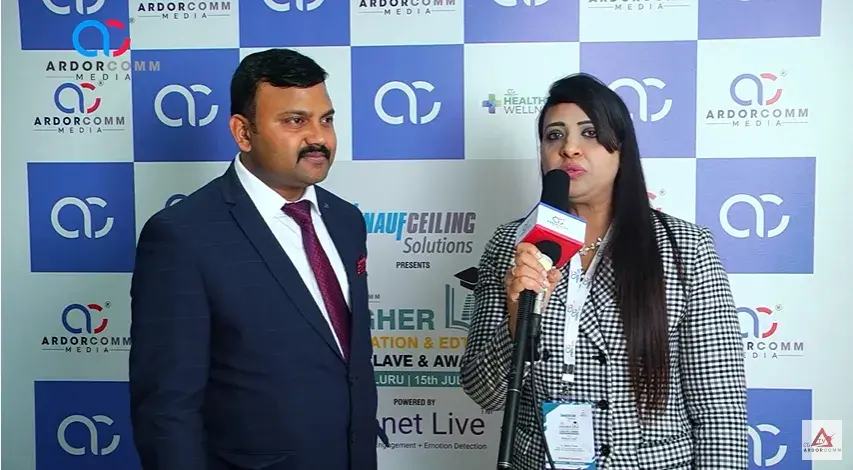
Education 5.0 is the application of new technologies to deliver more humanised teaching, with an emphasis on students’ social and emotional growth, as well as solutions that improve society’s quality of life. Technology should be beneficial to life in all social arenas, including work, industry, and health care. It’s no different with education, which is the foundation of a person’s upbringing. What is Education 5.0, exactly? We have seen a rise in digital transformation and new technologies in our daily lives during the past few decades. Artificial intelligence (AI), the Internet of Things (IoT), data processing, and other tools have become ingrained in our daily lives and businesses. Humans, not technology, are at the centre of Education 5.0. Its goal is to specify the specific goals that humans must attain as a result of a given learning experience. It’s not about handing out laptops or tablets to every student. It’s not just about bettering infrastructure and connectivity. It’s not about creating digital platforms and tools. Instead, as a general objective, it is about preparing academically, socially, and emotionally robust individuals who are conscious of their health and personal growth. The proper strategic, methodological, and instructional approaches are subsequently implemented. The latter includes, among other things, how to reintroduce drive, creativity, and the joy of learning to students. While digital equipment, infrastructure, and platforms are still important, they serve as enablers rather than as ends in and of themselves. Impact of Covid-19 Pandemic Life became more digital after the Covid-19 outbreak, and educational institutions were no exception. Online classes and remote learning were no longer trends; they had become the norm, and everyone had to adjust. But, beyond technological equipment, the pandemic highlighted the need to prepare humans for hardship, namely for emotionally intelligent people who understand how to use digital transformation as a vehicle for social transformation. And that is precisely what Education 5.0 is, it’s a chain connecting digital and technology knowledge with human social and emotional abilities in order to enhance well-being. What’s the difference between Education 4.0 and 5.0? Even as we were discussing Education 4.0, the 5.0 chain swept in and obliterated these ideas. The role of technology in education, according to 4.0, is to increase speed, accuracy, and knowledge in instruction. The fundamental aim is to incorporate Industry 4.0 technology into learning and educational institutions, such as the Internet of Things (IoT), artificial intelligence, machine learning, and gamification. The goal is to align education with technological innovations already in use by society and businesses, as well as to foster more direct engagement with younger generations who can no longer exist without it. Education 5.0 is the result of this concept. It does not reject Education 4.0’s suggestions, but it does bring a more human viewpoint to learning, including social and emotional abilities, in order to promote less environmental effect while improving health and safety. Advantages of Education 5.0 Generation Z now has access to Education 5.0, which is similar to what baby boomers and Generations X and Y have in terms of technical knowledge for professional training. In addition to technical knowledge, educational institutions that can include this feature into their teaching philosophy and management processes can build skills such as: Collaborative projects Improved interpersonal relationships, empathy, and variety tolerance Conflict Resolution techniques Communication that is more fluid All of these real-world abilities are required to thrive in Society 5.0. How can Education 5.0 be used in educational institutions? Education 5.0 can be used in a variety of public and private institutions, from elementary school through graduate school. Furthermore, not only remote learning but also in-person institutions will gain from this. It’s critical to understand that implementing Education 5.0 entails much more than just distance learning. It also necessitates Technology investment in education When it comes to technology, many educational institutions remain stuck in the past. Even though they have management software, pedagogic and administrative activities are often kept distinct. Training the Teachers It isn’t just educational institutions that are behind the times. Many professionals have been left behind and continue to teach in the manner in which they learned at the start of their careers. It is critical for instructors to be trained in this new perspective in order to shift attitudes to Education 5.0. Previously, the emphasis was on developing students’ technical ability; currently, the emphasis is on developing students’ soft skills. Conclusion Education 5.0 is about people, not technology, and it makes use of technology as a tool to bring value and improve efficiency. It’s not about using less or more technology in education; it’s about making informed, responsible decisions while keeping the overall picture in mind. Privacy, ethics, safety, and technology mindfulness are all important parts of Education 5.0. It necessitates a comprehensive strategy to educational transformation that encompasses all necessary elements. The comprehensive approach also entails bringing together all key stakeholder groups, including as governments, education and training providers, industry, supporting structures, the broader community, and, most crucially, learners. This transformational shift in the education sector will bring us and future generations to a bright and sustainable future. Also Read: ArdorComm- Higher Education and EDTECH Conclave & Awards (#HEET Conclave & Awards)

Education 4.0 to 5.0: A transformational shift in the education system Read More »

DDMA meeting on Wednesday, likely to discuss compulsory use of masks

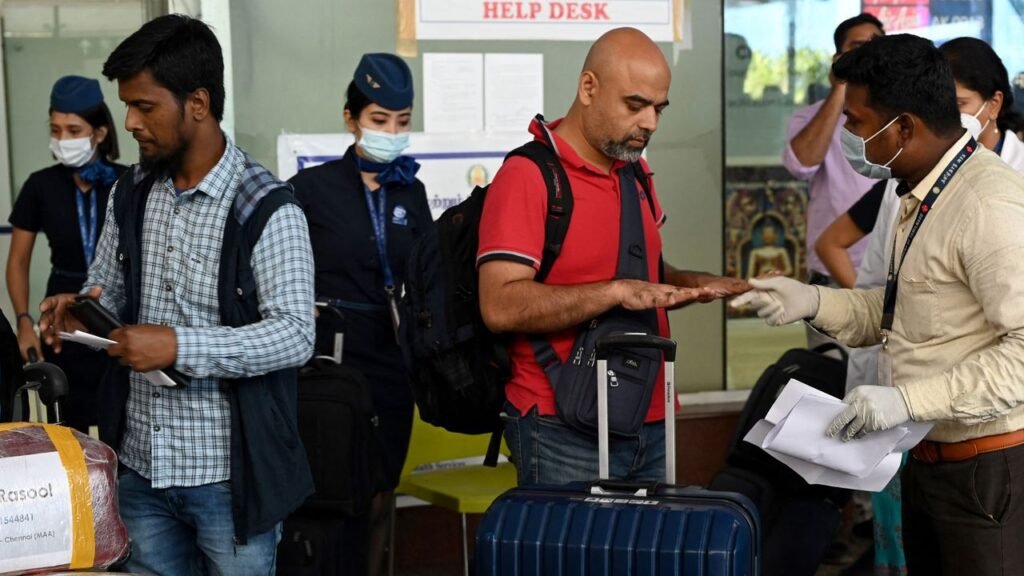
In light of the rising number of infections in recent days, a major meeting of the DDMA on Wednesday is expected to discuss mandatory usage of face masks and a hybrid form of offline and online instruction for schoolchildren, according to official sources. As per the meeting notification, the COVID situation in the national capital would be reviewed at a meeting of the Delhi Disaster Management Authority (DDMA) chaired by Lt Governor Anil Baijal. After the DDMA removed a fine of Rs 500 earlier this month, the use of masks by persons in Delhi has “significantly” decreased. Given the increased number of infections, this is not a desirable situation, according to a senior government official. The mandatory mask use in Delhi is most likely to be discussed during the meeting, with reimposing fines for its strict implementation,” said the officer, citing the UP-government’s decision today to make it mandatory for residents of six NCR cities in the state. Due to an increase in Covid cases in some neighbouring states, the Uttar Pradesh government made it mandatory for people to wear a face mask in public areas in the capital Lucknow and six NCR districts, including Noida and Ghaziabad, on Monday, an official said. In light of concerns of children becoming infected, the DDMA conference could also discuss giving schools the choice of using both offline and online teaching methods, according to sources. Following a surge in Covid cases, schools throughout Delhi-NCR have jumped into action, implementing a variety of measures, including periodic sanitization, to keep the virus at bay and avert campus closure. At a time when scores of students and workers at institutes across the NCR cities have been diagnosed with COVID-19, the Haryana education department has instructed schools in the state not to make it essential for pupils to attend physical classes. In the city, the number of pupils testing positive for drugs is on the rise, causing anxiety among parents. Wherever any student or teacher is confirmed infected, the Delhi government has directed school officials to close specific wings or classes. Though the number of COVID-19 cases in the national capital is increasing, Delhi Health Minister Satyendar Jain remarked earlier in the day that the situation is not serious because the incidence of hospitalisation is low. He stated that the government is monitoring the issue. He also emphasised the importance of wearing face masks, despite the fact that the penalties for not doing so had been withdrawn. “In Delhi, the number of positive cases has been increasing. However, we have completed 100% immunisation, and the (corona) virus has already infected a big number of individuals. In addition, there aren’t many hospitalizations. As a result, the situation is not frightening. We’re keeping a close eye on everything” Jain said in a briefing. When asked about the rise in COVID-19 cases among children, the minister said the Delhi government has already issued an advisory instructing schools to halt specific classes for a few days if any student or teacher tests positive for the coronavirus. Source: PTI

DDMA meeting on Wednesday, likely to discuss compulsory use of masks Read More »

Telangana govt launches first space-tech framework in metaverse

Telangana’s government inaugurated its first space-tech framework on Monday, April 19, with the goal of making the state a “globally recognised one-stop destination for space technology.” In keeping with the Union government’s recent reforms, the framework aims to foster private participation in the space industry. The event was the first of its kind in India, and it was hosted on Metaverse. Telangana’s Minister for IT and Industries, KT Rama Rao, noted that space technology is the state’s next emphasis area, and that with national reforms enabling increasing private sector participation in the spacetech industry, Telangana will be “supporting the innovation that is bound to occur.” For the inaugural ceremony, a space-themed metaverse setting was created, along with custom avatars of the important dignitaries. Attendees joined the event using standard avatars on the site and engaged with neighbouring participants while simultaneously watching the proceedings — exactly as they would at a physical event. The blockchain technology for the event was developed by Hyderabad-based tech firm Gamitronics, and the metaverse platform was established by PartyNite. The occasion was attended by Amitabh Kant, CEO of NITI Aayog, Somanath S, Chairman of ISRO, and Dr. Pawan Goenka, Chairman of IN-SPACe. At the end of the event, an NFT collection was opened, with revenues going to support one of the state government’s technology-enabled social impact projects.

Telangana govt launches first space-tech framework in metaverse Read More »

Dr. Ambedkar Centres of Excellence will be established in 31 central universities across the country on April 22

On April 22, 2022, the Banaras Hindu University (BHU) will hold the national launch of the Dr. Ambedkar Centre of Excellence. Virendra Kumar, India’s Minister for Social Justice and Empowerment, will inaugurate the centre. The centres are being opened to provide coaching to students from the scheduled caste (SC) for the Union Public Service Commission’s civil service examination (UPSC). The proposed centre will be established in 31 central universities across the country, including Banaras Hindu University. The launch ceremony will be held at the Shatabdi Krishi Prekshagrih, Institute of Agricultural Sciences. Vice-chancellors from all of the other universities where the centre will be established will also be present. The Dr Ambedkar Foundation and implementing universities will also sign two MoUs to establish the centres and Dr Ambedkar Chairs. Each centre will have 100 seats, with over 33% of the total sanctioned seats going to eligible female candidates from the scheduled caste (SC) category. In each centre, up to three faculty members will be appointed. Separate classrooms, a library, high-speed WiFi connectivity, and other necessary infrastructure are recommended for the centres’ smooth operation. Candidates must pass an entrance exam in order to be admitted to the centre and get coaching.

Dr. Ambedkar Centres of Excellence will be established in 31 central universities across the country on April 22 Read More »

Disney Star India to launch Odia channels Star Kirano & Star Kirano HD

Disney Star India plans to launch two new Odia channels on June 1. The network has informed all television channel distributors (DPOs) that Star Kirano and Star Kirano HD would go online on June 1, 2022. Last week, the network announced the launch of Pravah Picture and Pravah Picture HD, two new marathi cinema channels set to debut on May 15, 2022. Pravah Picture, according to the network’s official statement, will bring the finest of Marathi film on one platform and will begin with a rich catalogue of 200+ titles. Every week, the channel will air a Marathi film. The network also stated in the intimation letter that the launch of the eleven channels will be postponed till further notice from Star India. Star Gold Thrills, Jalsha Josh, Star Movies Select, Star Sports 1 Tamil HD, Star Sports 1 Telugu HD, Disney Channel HD, Hungama HD, Star Gold 2 HD, Vijay Super HD, and Asianet Movies HD are among the eleven channels. The network postponed the debut of 15 new channels and the renaming of one until further notice last November. The broadcaster confirmed the debut of new channels in October 2021, while also declaring the new tariff in conformity with New Tariff Order (NTO) 2.0. Star India announced the launch of 15 new channels across genres and languages in December 2021 and January 2020. “This is to notify all distributors of television channels (DPOs) that the launch of the following fifteen (15) channels, as well as the name change of the following one channel, have been postponed until further notice by Star,” the broadcaster wrote in a public notice.

Disney Star India to launch Odia channels Star Kirano & Star Kirano HD Read More »

Edtech startup Skill-Lync builds EV to help students gain insight into auto industry

Skill-Lync, an engineering edtech startup, announced on Tuesday that it has built an in-house electric vehicle to help its students gain insights into the automotive industry’s future. The vehicle was created by a team of six in-house experts at Skill-Lync in collaboration with professionals from the country’s leading OEMs. The EV, which would be built over the course of nine months at a cost of approximately Rs 5 lakh, would provide students with practical knowledge of what goes into building an EV. The EV currently has a top speed of 45 kilometres per hour and a range of 40 kilometres. It has a five-person carrying capacity and can accelerate from zero to top speed in six seconds. “The automotive industry is undergoing significant change, which is being driven by sustainability and an increasing base of conscious consumers.” “Skill-Lync cofounder SuryaNarayanan PaneerSelvam said in a statement. “In addition to our coursework, we offer first-hand experience building an EV from the scratch, providing a holistic view of the automotive industry’s future.” The company stated that it intends to release a series of masterclass videos that will visually depict the EV building process, and that it aims to build more such EV prototypes.  “EVs are a major part of the global sustainable journey and there is a pronounced need for a new crop of automotive engineers that can design, develop, and test these vehicles that are built on newage, sophisticated systems,” Sarangarajan V Iyengar, cofounder, Skill-Lync, said.

Edtech startup Skill-Lync builds EV to help students gain insight into auto industry Read More »

DCGI claims India on course to become global drugs hub

Dr. VG Somani, Drug Controller General of India (DCGI), claimed that India is on track to become a “global hub for medicines,” claiming that there has been a fourfold increase in applications for investigational new drugs in the country. “We are getting the applications of the investigational new drugs. Earlier, there used to be hardly 5-10 applications. At present, there are 23 applications in the pipeline for the investigational new drug and this is a great achievement of our country,” Somani said, speaking at the Indian Drug Manufacturers’ Association (IDMA) Annual Conclave. He believes that “Made in India” drugs will make a difference and spread throughout the world in the coming years. The DCGI official also explained how drug controllers work while making vaccine and drug decisions. “We have been in regular contact with the WHO and all global regulators via the ICMR, ICH platform, and so on. There are various platforms for vaccine and drug approval, including trials. That is exactly what we did with remdesivir.  There is no single decision-making platform,” he added. He went on to say that India has been designated as a “world pharmacy,” and that “we want to become the well-managed pharmacy of the entire world so that our potential can be recognised.” Source: ANI

DCGI claims India on course to become global drugs hub Read More »

CBSE will bring back a single board exam next year

According to Ministry of Education sources, the Central Board of Secondary Education (CBSE) has decided to return to the pre-pandemic single-exam format beginning with the next academic year, which means that the Class X and XII board exams will not be divided into two parts. For the 2021-22 academic year, the CBSE has instituted a bifurcated format with two terms: the Term-I board exams were held in November-December last year, while the Term-II exams will begin on April 26. It has been learned that the Term II exams will be weighted more heavily. Following the cancellation of board exams for the 2020-21 academic year due to the second wave of the Covid-19 pandemic, the decision was made. Previous exam results, practical exams, and internal assessments were used to grade students. According to a senior official, the board decided to reinstate the single-exam pattern after hearing from schools. “The CBSE has never stated that the two-term exam format will be continued in the future.” It was a one-time formula. Now that schools are fully operational, the decision has been made to stick to the one-time exam format for the time being,” said the official. However, in terms of syllabus rationalisation, CBSE will stick to the policy it implemented over the last two years, which saw the syllabus reduced by 30%. “The NCERT will send us the rationalisation details, upon which an announcement will be made.” “The existing books can be used to teach the reduced syllabus in schools,” said the official. To “eliminate the high stakes aspect of board exams,” the National Education Policy (NEP) 2020 proposes allowing all students to take the board exams up to two times in an academic year — “one main examination and one for improvement.” “While Grades X and XII board exams will be continued, the current system of board and entrance examinations will be reformed to eliminate the need for coaching classes.” According to the NEP, board exams will be redesigned to encourage holistic development in order to reverse the harmful effects of the current assessment system.

CBSE will bring back a single board exam next year Read More »