ArdorComm Media Group

Wednesday, February 18, 2026 1:24 AM

Author name: admin

Over 4.7 Lakh Pirated NCERT Books Seized Since 2024, Says Education Ministry

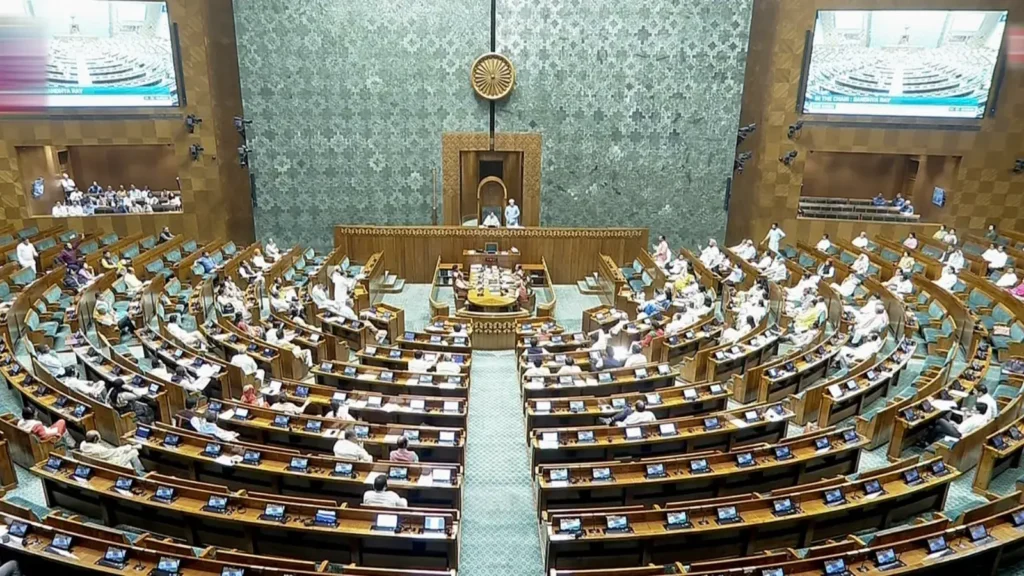
In a significant crackdown on textbook piracy, the Ministry of Education revealed that over 4.7 lakh pirated NCERT textbooks have been confiscated across India since 2024. This update was shared in a written response by Union Minister of State for Education, Jayant Chaudhary, during a Rajya Sabha session on Wednesday. “Reports of NCERT textbook piracy have emerged from various parts of the country. From 2024 to 2025, enforcement teams seized around 4.71 lakh counterfeit books in multiple operations carried out in different states,” said Chaudhary. He emphasized that piracy is largely driven by the profit motives of unauthorized operators. NCERT’s mission, Chaudhary reiterated, is to provide high-quality educational resources at minimal cost to students across India, functioning on a no-profit, no-loss model. Highlighting recent efforts to combat the menace, he informed that in the past year alone, NCERT conducted raids on 29 locations linked to the production and distribution of pirated books. These included premises using unauthorized NCERT watermarked paper and illegal printing setups. Assets and equipment worth over ₹20 crore were seized during these raids. To address the root causes of piracy, several measures have been implemented, including a 20% price cut on textbooks, improved paper and print quality with advanced machinery, faster and timely textbook production, and expanded online availability through e-commerce channels. In a tech-driven approach, NCERT also tested an innovative anti-piracy mechanism—developed and patented by IIT Kanpur—on one million copies of a Class 6 textbook, aiming to deter counterfeit reproduction through secure tracking technology. Source: PTI Image Credit: iStock  

Over 4.7 Lakh Pirated NCERT Books Seized Since 2024, Says Education Ministry Read More »

Chikungunya Risk Grows: WHO Warns of Possible Global Outbreak

The World Health Organization (WHO) has issued a global health alert about the rising threat of a chikungunya epidemic, warning that the virus could soon spread across continents if swift preventive measures are not taken. The warning, issued on Tuesday, highlights signs similar to those observed before the large-scale outbreak of 2004–05. Dr. Diana Rojas Alvarez, a medical officer at the WHO, revealed that approximately 5.6 billion people across 119 countries are potentially vulnerable. Speaking at a press conference in Geneva, she emphasized the virus’s ability to trigger severe fever, debilitating joint pain, and long-lasting health issues, particularly among older adults. Outbreak Timeline and Spread The ongoing surge began in early 2025, primarily affecting regions in the Indian Ocean, including La Réunion, Mayotte, and Mauritius—where nearly one-third of La Réunion’s population has been infected. The virus has since made inroads into Madagascar, Somalia, Kenya, India, and other parts of Southeast Asia. Alarmingly, southern Europe is now reporting isolated locally transmitted cases in France and Italy. Understanding Chikungunya Chikungunya, first identified in Tanzania in 1952, is a mosquito-borne viral illness transmitted mainly by Aedes aegypti and Aedes albopictus mosquitoes. These vectors also spread other diseases like dengue and Zika. Common symptoms include: Sudden onset of high fever Severe joint and muscle pain Headache Fatigue Rash Although the infection is rarely fatal, many patients suffer prolonged joint discomfort that can persist for months. There is currently no specific antiviral treatment. Supportive care—hydration, rest, and pain relief—remains the primary approach. While two vaccines have been approved or recommended in select countries, widespread access and deployment remain limited. The WHO is assessing safety data and global needs to determine the potential for broader rollout. Global Numbers and Trends The European Centre for Disease Prevention and Control (ECDC) reports that, as of June 2025, Brazil leads with over 141,000 cases, followed by Argentina (2,521), Peru (46), and Bolivia (605). The French territory of La Réunion has documented over 51,000 cases by May-end. In South Asia, more than 33,000 infections have been reported in India, Pakistan, and Sri Lanka since June. Notably, regions that were once free from local chikungunya transmission are now witnessing occasional local outbreaks—a shift attributed to global warming and the changing habitats of mosquito species. WHO’s Call to Action To prevent chikungunya from escalating into a full-scale global epidemic, the WHO has urged governments and health agencies to: Enhance mosquito surveillance and vector control Strengthen healthcare infrastructure for better outbreak detection and response Increase public awareness on mosquito bite prevention Accelerate vaccine research and availability The WHO stressed that delaying action now could result in a wider, more difficult-to-control health emergency in the near future. Source: Business Standard

Chikungunya Risk Grows: WHO Warns of Possible Global Outbreak Read More »

India Set to Become World’s 3rd Largest Economy by 2028: Morgan Stanley

India is on course to become the third-largest economy in the world by 2028 and is expected to more than double its GDP to $10.6 trillion by 2035, according to a new report by Morgan Stanley released on Wednesday. The report highlights that several Indian states — notably Maharashtra, Tamil Nadu, Gujarat, Uttar Pradesh, and Karnataka — could individually near the $1 trillion GDP mark, placing them among the globe’s top 20 economies by the next decade. “Currently, Maharashtra, Gujarat, and Telangana lead the economic race among states,” the report noted, adding that states like Chhattisgarh, Uttar Pradesh, and Madhya Pradesh have climbed significantly in economic rankings over the past five years. India to Drive Global Growth Morgan Stanley projects that India will account for roughly 20% of global economic growth over the next ten years. As a result, the country is positioned to become a major growth engine for global corporations and investors. The report underscores the pivotal role of India’s federal structure — with 28 states and eight Union Territories — in propelling economic progress. It points out that each state manages its fiscal policies independently and competes to attract business and investment through favourable industrial policies and ease-of-doing-business reforms. “Every investment decision, factory setup, or enterprise ultimately lands in a particular state,” the report explains. Competitive Federalism as a Growth Catalyst The study places strong emphasis on “competitive federalism” — a model in which states innovate and vie with one another for economic advancement. This approach, Morgan Stanley argues, will be critical for India to become a global manufacturing powerhouse, significantly raise per capita income, and maintain a robust capital market performance over the coming years. As India moves toward its projected $10.6 trillion economic size, the role of states will become even more vital. Their ability to legislate independently and shape business environments allows them to create conducive ecosystems for growth. Infrastructure Boom Underway The report also points to a decade of strong infrastructure development. Central government capital expenditure has surged, growing from 1.6% of GDP in FY15 to 3.2% in FY25. This investment has led to a 60% increase in national highway length, a doubling of airports, and a fourfold expansion of metro rail systems. National-level programs such as PM Gati Shakti, the National Infrastructure Pipeline, Bharatmala, Sagarmala, and UDAN have all complemented state-led initiatives in infrastructure, energy, water, and urban development. For India to realize its long-term economic aspirations, the report concludes, continuous collaboration between the central and state governments will be essential. Source: IANS

India Set to Become World’s 3rd Largest Economy by 2028: Morgan Stanley Read More »

CBSE Mandates Audio-Visual CCTV Installation in Schools to Enhance Student Safety

Ardorcomm news

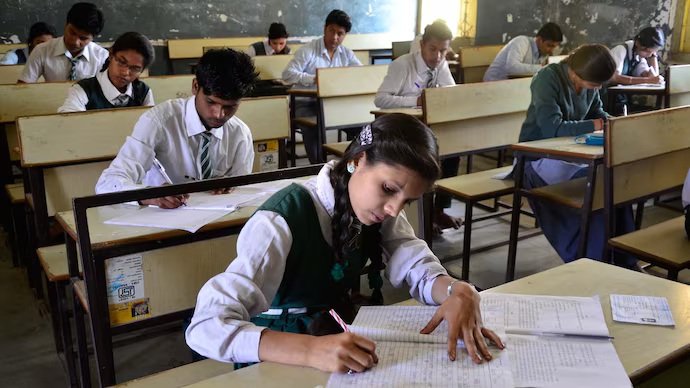
In a significant move to reinforce student safety on school campuses, the Central Board of Secondary Education (CBSE) has issued a directive requiring all affiliated schools to install high-resolution CCTV systems with audio-visual recording capabilities in strategic areas of their premises. As per the latest amendment to the CBSE Affiliation Bye Laws-2018, schools must ensure that classrooms, corridors, staircases, libraries, and other common zones — excluding toilets and washrooms — are under continuous surveillance. These systems must also maintain a minimum 15-day backup of recorded footage, accessible to authorities when needed. This initiative, aimed at safeguarding students from bullying and other potential threats, is in line with the National Commission for Protection of Child Rights (NCPCR)’s 2021 safety manual, which highlights the need for both physical and emotional security in educational settings. CBSE Secretary Himanshu Gupta emphasized that children have a constitutional right to a safe, respectful learning environment. He stated, “The safety has two aspects- a)unscrupulous un-societal elements, b) safety for the overall well being of the children with reference to bullying and implicit threats. All of such probabilities can be prevented with the usage of the latest technology.” Source: New Indian Express

CBSE Mandates Audio-Visual CCTV Installation in Schools to Enhance Student Safety Read More »

DTH Revenues Dip in FY25 While FM Radio Sees Growth: MIB Report

Media news

The Ministry of Information and Broadcasting (MIB) reported a decline in revenue from the Direct-to-Home (DTH) television sector in FY25, signaling a waning user base for pay TV services. In contrast, earnings from the FM radio sector witnessed an uptick, according to the ministry’s latest financial disclosures. In FY25, revenue from private DTH operators stood at ₹648.73 crore, down from ₹692 crore in FY24 and ₹859.96 crore in FY23—a 25% decline over two years. Meanwhile, private FM radio revenues rose to ₹196.28 crore, up from ₹186.80 crore in FY24 and ₹178.99 crore in FY23. Overall, the ministry earned ₹1,012.39 crore in non-tax revenue in FY25 through the Bharatkosh platform on the NTR e-portal, primarily from TV and radio licensing fees. India’s DTH sector, comprising Tata Play, Airtel Digital TV, Dish TV, and Sun Direct, has seen a continuous drop in active pay-TV subscribers—from 70.26 million in 2020 to 56.92 million in 2025, as per TRAI data. This trend is driven by a growing shift toward OTT platforms and the free-to-air DD Free Dish service, which now reaches an estimated 50–60 million households. Adding to the sector’s challenges, the MIB issued demand notices exceeding ₹16,000 crore to private DTH operators for unpaid licence fees. Meanwhile, DD Free Dish, operated by Prasar Bharati, does not pay licence fees and falls outside the private DTH revenue structure. On the other hand, FM radio continues to maintain its relevance, especially in regional and semi-urban markets. Revenue is generated through entry and migration fees, licence fees, tower rentals, and processing charges. The ministry noted FM’s growing popularity among youth and advertisers, with 388 private FM channels operating across 113 cities in 26 states and 5 Union territories as of March 2024. New FM stations have also been launched in border areas such as Leh, Kargil, Bhaderwah, Kathua, and Poonch to bolster outreach efforts. TRAI data shows total advertising revenue for FM radio reached ₹466.63 crore in Q4 FY24, a slight drop from ₹500.11 crore in Q3, but still reflecting the medium’s resilience in a rapidly evolving media environment. Source: Economic Times  

DTH Revenues Dip in FY25 While FM Radio Sees Growth: MIB Report Read More »

Empowering Digital India through Education: Countdown to ArdorComm – Digital Bharat Education Conclave 2025 in Bengaluru

As India accelerates its journey toward becoming a digitally empowered knowledge economy, education remains the linchpin of this transformation. Against this backdrop, ArdorComm Media Group, one of India’s fastest-growing media organisations, is set to host its National Flagship Event – Digital Bharat Education Conclave 2025 in Bengaluru, Karnataka on 19th September 2025. With a future-forward theme – Digital India Rising: Transforming Education, Skilling & Employability – the conclave promises to be a high-impact gathering of education stakeholders, tech innovators, government dignitaries, and institutional leaders from across the nation. Why Does This Conclave Matters? India’s Digital Bharat initiatives have dramatically reshaped the way learning is delivered, accessed, and consumed. From remote tribal belts to bustling urban centres, digital technologies are now at the heart of educational outreach. The conclave arrives at a time when the country is witnessing a surge in Education 5.0—an ecosystem where Artificial Intelligence (AI), Machine Learning (ML), immersive AR/VR experiences, Learning Management Systems (LMS), and data-driven insights are redefining education models. Bengaluru, Karnataka—India’s tech capital—provides the perfect setting for this exchange of ideas. The state’s forward-thinking policies, robust digital infrastructure, and dynamic education ecosystem make it a prime example of how technology can be leveraged to uplift learning outcomes, boost employability, and ensure inclusive education. What to Expect: Key Highlights This one-day conclave is designed as an interactive platform to celebrate, discuss, and design the next leap in Indian education. Here’s what the day entails: Panel Discussions: 6+ engaging sessions featuring experts from academia, government, and industry. 50+ Esteemed Speakers sharing best practices and innovative approaches. Participation from 150+ Higher Education Institutions, 100+ K-12 Schools, 20+ EdTech Corporates. 2+ RoundTable Discussions to deep-dive into policy, technology, and leadership challenges. ArdorComm Education Leadership Awards 2025 to honour institutions and individuals driving change. Who Will Be There? Expect participation from a wide spectrum of stakeholders, including: Government Officials & Policy Makers University Leaders & College Principals EdTech Innovators & Startups HR Professionals from Skill & Employability Sectors K-12 & Preschool Management Bodies Training & Certification Bodies The conclave is a dynamic networking opportunity for changemakers committed to uplifting the Indian education ecosystem. Key Discussion Themes The event will revolve around the following futuristic and inclusive themes: Empowering Students for the Global Stage: Skills for 21st Century Workforce Inclusive Campus in Digital Era: Addressing Digital Divides, Diversifying Curricula Degrees to Skills: Rethinking Higher Education Outcomes for the Future Workforce Education 5.0: Redefining Education by Integrating Immersive & Advanced Technologies Public-Private Partnerships in Education: Institutional Perspectives for Scalable Impact These themes reflect the urgency to not just adapt to change, but lead it. ArdorComm Education Leadership Awards 2025: Honouring the Trailblazers One of the marquee segments of the conclave is the Education Leadership Awards 2025, a prestigious initiative to honour excellence, innovation, and impact in the education and skilling ecosystem. From preschools to universities, from startups to corporate giants—six award segments will celebrate those who’ve truly made a difference: Award Segments: Preschool Awards School Education Awards Higher Education Awards Skills & Training Awards EdTech Startup Awards EdTech Corporate Awards If you or your institution has led by example in advancing education, nominate now: Submit Nomination Why You Should Attend This is not just another event—it’s a collaborative movement towards building an inclusive, tech-driven, and skill-oriented education system for India. Whether you’re a policymaker, educator, institution head, EdTech entrepreneur, or HR professional, DBEC 2025 will help you: Stay ahead of policy and tech trends Connect with India’s top education influencers Showcase your innovations and gain visibility Collaborate for strategic partnerships and investments Celebrate and learn from the best in the sector Conclusion: The Future Is Now The Digital Bharat Education Conclave 2025 is more than just a confluence of thought leaders—it’s a platform to redefine the trajectory of Indian education. In the heart of India’s tech capital, this conclave will set the stage for meaningful dialogues, pathbreaking innovations, and actionable collaborations that push the boundaries of what’s possible. Mark your calendar – 19th September 2025 Location – Bengaluru, Karnataka Theme – Digital India Rising: Transforming Education, Skilling & Employability Let’s come together to celebrate changemakers and shape a digitally empowered future for India’s learners. Stay tuned for updates, speaker announcements, and more. Follow us with hashtags: #DBEC2025 #DBECBengaluru #DigitalBharatEducationConclave

Empowering Digital India through Education: Countdown to ArdorComm – Digital Bharat Education Conclave 2025 in Bengaluru Read More »

India Unveils New Strategies to Future-Proof Coal Sector Amid Green Transition

The Government of India has introduced a comprehensive set of initiatives aimed at enhancing the sustainability and competitiveness of the coal sector, even as the nation steadily increases its reliance on renewable energy sources. With coal still meeting around 55% of India’s energy demand and the country holding the fifth-largest coal reserves globally, the government is striking a balance between energy security and climate commitments. Focus on Greener Mining Practices Public Sector Undertakings (PSUs) in the coal and lignite space are implementing widespread environmental and efficiency upgrades. These include large-scale afforestation and bio-reclamation efforts around operational mines to reduce ecological damage. Energy-saving initiatives have also been scaled up, such as switching to LED lighting, incorporating energy-efficient appliances, deploying electric vehicles, and using smart technologies like auto timers and super fans in mine sites and street lighting systems. Additionally, treated mine water is being repurposed for community needs — from irrigation and firefighting to fish farming and domestic supply. Several MoUs with state governments aim to expand this supply to nearby villages and towns. In a move to reduce dependence on river sand and protect ecosystems, coal PSUs are now extracting usable sand from overburden (OB) waste. Nine processing units — including M-Sand and OB-to-sand plants — are now operational, promoting sustainable construction and groundwater recharge. Embracing Cleaner and Smarter Technologies Under the First Mile Connectivity (FMC) initiative, the coal sector is modernizing its logistics by shifting to mechanized transport systems. This helps reduce fuel usage and lower carbon emissions. To minimize environmental disruption, companies are increasingly deploying blast-free technologies such as Surface Miners and Continuous Miners, which significantly cut down on air and noise pollution. There’s also a growing push towards clean energy and green technologies within the sector. Coal companies are investing in renewable energy projects, coal gasification, and coal bed methane (CBM) extraction. Participation in the Green Credit Programme by the Ministry of Environment, Forest and Climate Change signals the sector’s proactive stance toward environmental responsibility. Reducing Imports and Enhancing Domestic Supply India is steadily reducing its reliance on imported coal. According to Union Coal and Mines Minister G. Kishan Reddy, coal imports dropped from 264.5 million tonnes in FY 2023–24 to 243.6 million tonnes in FY 2024–25. This shift is driven by measures such as faster coal block allocations, greater private sector involvement, digital adoption in mining operations, and faster clearances for mining projects. An Inter-Ministerial Committee (IMC) has been established to promote import substitution and is working directly with power plants to align their needs with domestic coal supplies. Infrastructure developments, including new railway lines and expanded FMC corridors, are also improving coal evacuation and logistics, ensuring faster and more reliable deliveries across regions. Through these integrated steps, the Indian government is ensuring coal remains a stable and competitive component of the country’s energy mix — while simultaneously advancing toward a greener, more sustainable future. Source: DD News  

India Unveils New Strategies to Future-Proof Coal Sector Amid Green Transition Read More »

Big Four Slash Graduate Hiring as AI and Global Shifts Redefine Consulting Talent Models

The world’s leading professional services firms—Deloitte, EY, PwC, and KPMG—are significantly scaling back entry-level hiring in 2025, reflecting a profound shift in how the consulting sector operates in the age of artificial intelligence (AI) and rising cost pressures. According to fresh insights reported by The Guardian, graduate job postings across the Big Four have declined by 44% this year. This contraction coincides with a broader downturn in the UK white-collar job market, where vacancies have fallen 43% since 2022, as outlined in McKinsey & Company’s June 2025 labour market study. AI Reshapes the Foundations of Consulting Work The move marks a major disruption to the traditional consulting model that heavily relied on recruiting large numbers of fresh graduates. Instead, generative AI and intelligent automation tools are now performing much of the analytical, research, and presentation work previously assigned to junior consultants. “This isn’t a case of automation replacing repetitive work—it’s smart technology doing a significant chunk of high-cognitive tasks once reserved for entry-level roles,” a former Big Four strategist told the Financial Times. “The economics of graduate hiring have shifted.” This transformation is prompting firms to move from the traditional pyramid structure—where a broad base of juniors supports senior staff—to what’s now being described internally as a “diamond model,” characterised by a slimmer base, a stronger mid-tier, and expert-led teams augmented by AI. Offshoring and Structural Adjustments Gain Momentum Alongside AI adoption, the Big Four are accelerating offshoring to optimize operations and reduce costs. Talent advisory firm Patrick Morgan highlighted the following workforce realignments between 2023 and 2024: Deloitte reduced staff in the Netherlands by 5%, while expanding its Malaysian workforce by 9%. KPMG downsized in the UK by 7%, while growing its presence in Pakistan by 10%. EY trimmed German headcount by 6%, offset by a 7% rise in Indonesia. PwC cut 18% of its staff in Australia, shifting 12% of roles to Mexico, following a major misconduct investigation. “This isn’t just cost-cutting—it’s a strategic restructuring,” explained Dr Charlotte Moore, a labour economist at the University of Leeds. “Firms are recalibrating how and where work gets done amid technological disruption and global wage dynamics.” Market Shocks and Emerging Competition These structural overhauls come amid reputational turbulence. Firms like PwC have been entangled in controversies—including misuse of confidential government data in Australia—that have triggered client exits and internal shakeups. At the same time, private equity firms are backing leaner, tech-native consultancies. According to Bloomberg, PE investments in European consulting and accounting firms surged to nearly 200 deals in 2024—up from just 20 in 2022—indicating a growing appetite for agile challengers to the Big Four. “These new players are built for a digital-first world,” said James O’Dowd of Patrick Morgan. “They’re fast, focused, and often operate with flatter hierarchies—something legacy firms are struggling to adapt to.” What This Means for HR and Future Talent Strategies The shift is forcing HR and talent leaders to reimagine early-career pathways. With AI now capable of replicating much of the output expected from junior hires, traditional graduate recruitment models are becoming obsolete. Future-focused strategies now include: Developing graduate roles that build uniquely human, high-value skills. Promoting AI literacy across all departments, not just technical teams. Integrating automation into training programmes to strengthen human-AI collaboration. Restructuring global talent pipelines to balance local expertise with offshore operations. The Institute of Chartered Accountants in England and Wales (ICAEW) confirmed that firms are reallocating budgets to upskilling existing staff in AI tools and methods, often reducing graduate intakes as a result. “We’re witnessing a strategic reset—not a breakdown,” said Dr Moore. “The future of consulting lies in how effectively firms—and the next generation of professionals—can adapt to a human-plus-AI model.” Source: peoplematters

Big Four Slash Graduate Hiring as AI and Global Shifts Redefine Consulting Talent Models Read More »

India Clinches 7th Spot at IMO 2025 with Record-Breaking Score, Wins 3 Gold Medals

Education news

India delivered a stellar performance at the 66th International Mathematical Olympiad (IMO) 2025 held in Sunshine Coast, Australia, by securing three gold, two silver, and one bronze medal. This remarkable feat placed the country 7th in the global rankings with a record-high score of 193 out of 252 points. The gold medalists were Kanav Talwar and Arav Gupta from Delhi, along with Aditya Mangudi from Maharashtra. Silver medals were awarded to Abel George Mathew from Karnataka and Adish Jain from Delhi, while Archit Manas, also from Delhi, earned the bronze. According to a release from the Homi Bhabha Centre for Science Education in Mumbai, a total of 630 students participated in the global contest, including 69 female contestants. This is only the second time since 1998 that India has claimed three golds in a single IMO. Last year, in 2024, India achieved a historic milestone with four golds. Since debuting at the IMO in 1989, India has now earned 23 gold medals—12 of which were won between 2019 and 2025, including an impressive nine in the last three years. Source: Newsonair  

India Clinches 7th Spot at IMO 2025 with Record-Breaking Score, Wins 3 Gold Medals Read More »

ICMR Opens Door for Commercial Production of Next-Gen Malaria Vaccine

Ardorcomm news

The Indian Council of Medical Research (ICMR) has announced a major step forward in the fight against malaria by inviting expressions of interest (EoI) from eligible companies and manufacturers for the commercial production of a breakthrough malaria vaccine, AdFalciVax. Developed by the ICMR’s Regional Medical Research Centre in Bhubaneswar, this recombinant chimeric multi-stage vaccine targets Plasmodium falciparum, the deadliest malaria parasite, offering both individual protection and reduced community transmission. Pre-clinical validation of the vaccine technology was carried out in collaboration with ICMR-NIMR (National Institute of Malaria Research), other ICMR institutes, and the National Institute of Immunology in Delhi, which operates under the Department of Biotechnology. ICMR-RMRCBB will provide technical know-how and hands-on support throughout the vaccine production process to ensure a smooth and efficient pathway to commercialisation. Furthermore, ICMR’s team of seasoned scientists will assist in product development, study design, protocol development, data and results analysis, efficacy and safety assessments, and necessary improvements, based on mutual agreement with the collaborating partner. This initiative marks a significant stride in India’s effort to eliminate malaria through indigenous innovation and collaborative biotech development. Source: PTI

ICMR Opens Door for Commercial Production of Next-Gen Malaria Vaccine Read More »